
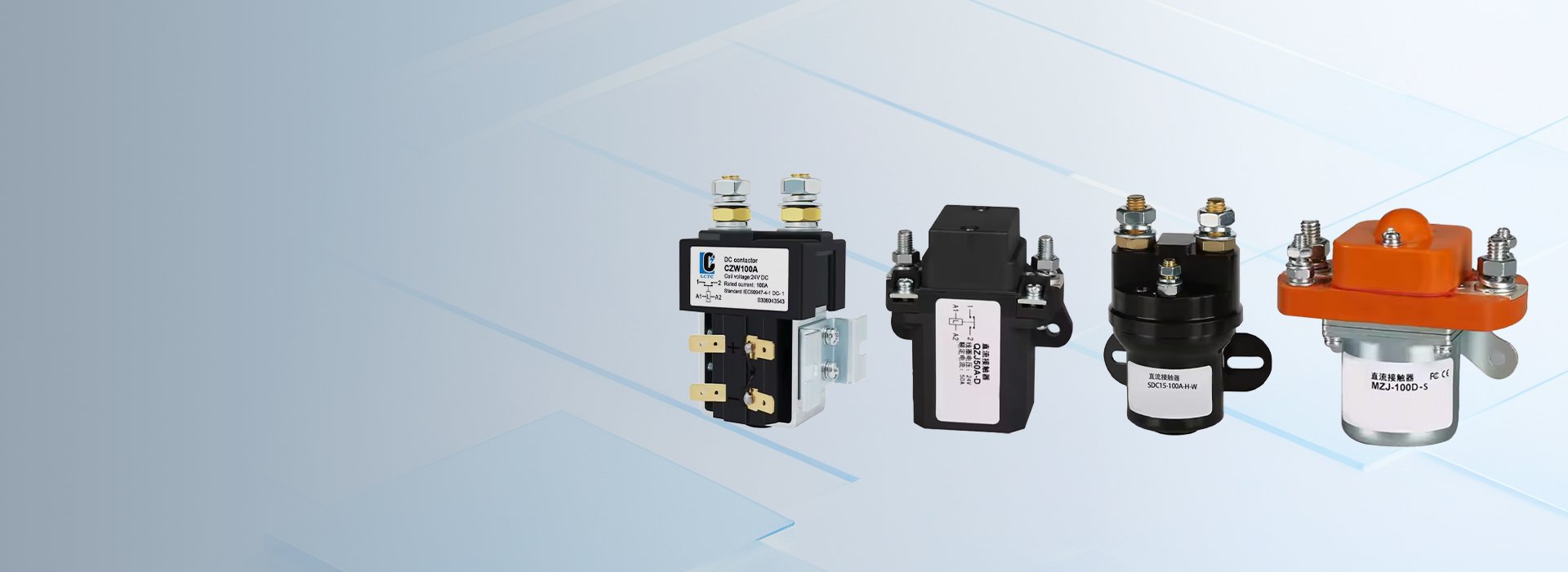
DC Contactor for Control and Protection of DC Systems
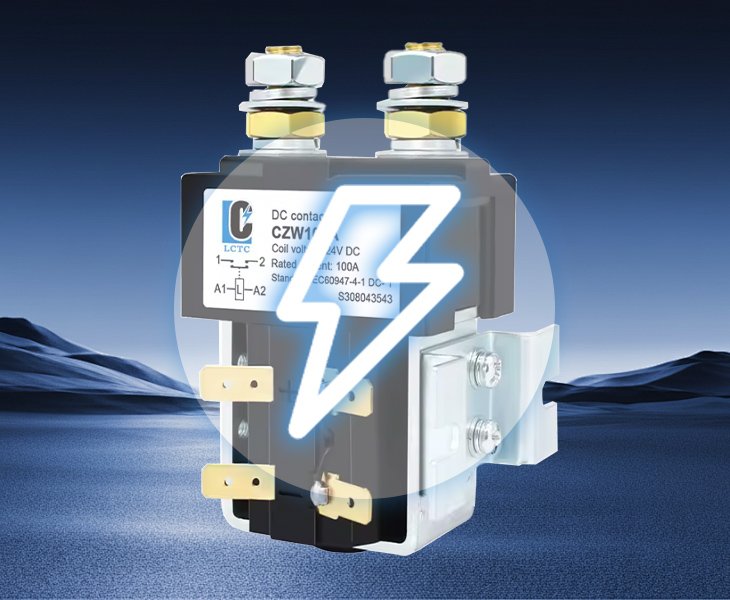
If you’re working with energy storage systems or industrial DC equipment, you’ve probably run into DC systems provide control and protection, LCTC DC contactors provide you with solutions.
The LCTC DC contactor features powerful flame retardant performance and optimized heat resistance, it can ensure the safe and stable operation of the equipment, even in a high DC environment. Our products have passed professional certifications such as CE, ISO and RoHS, ensuring their quality and performance.
If you interested, you can send a request and we will help you select the most suitable DC contactor.
LCTC Product
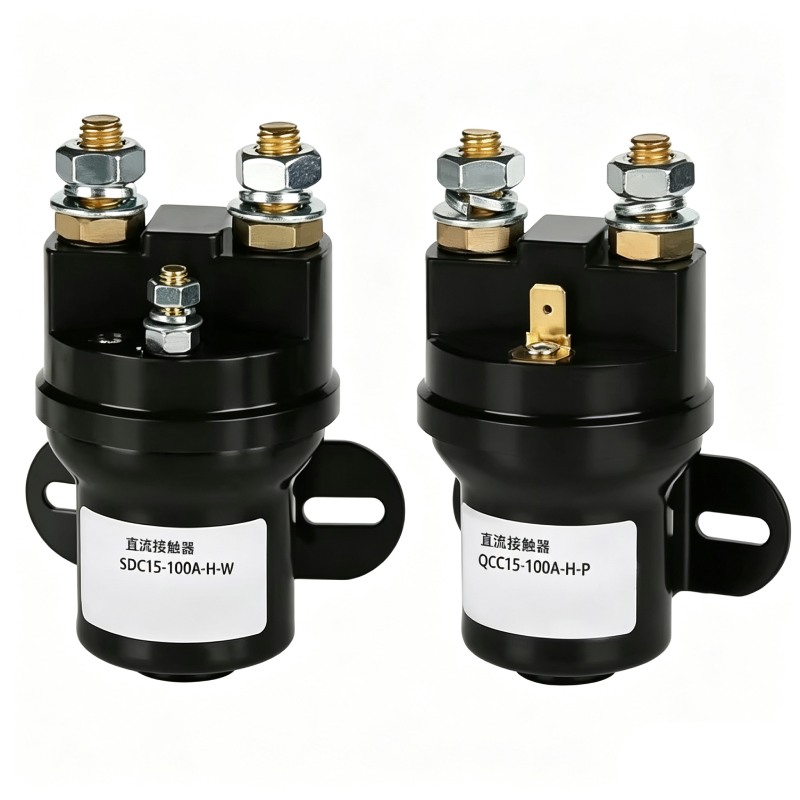
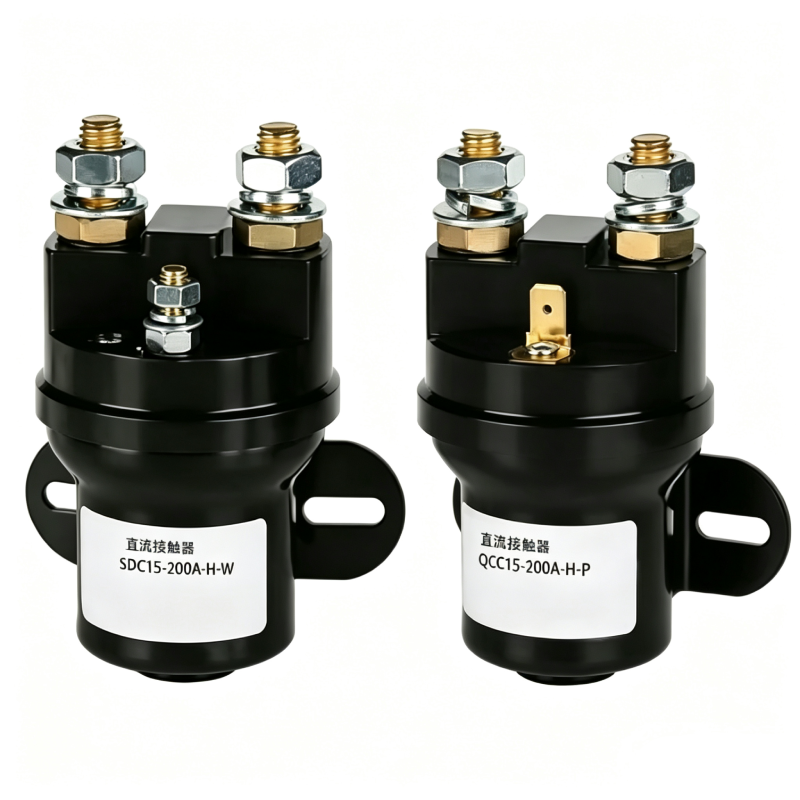
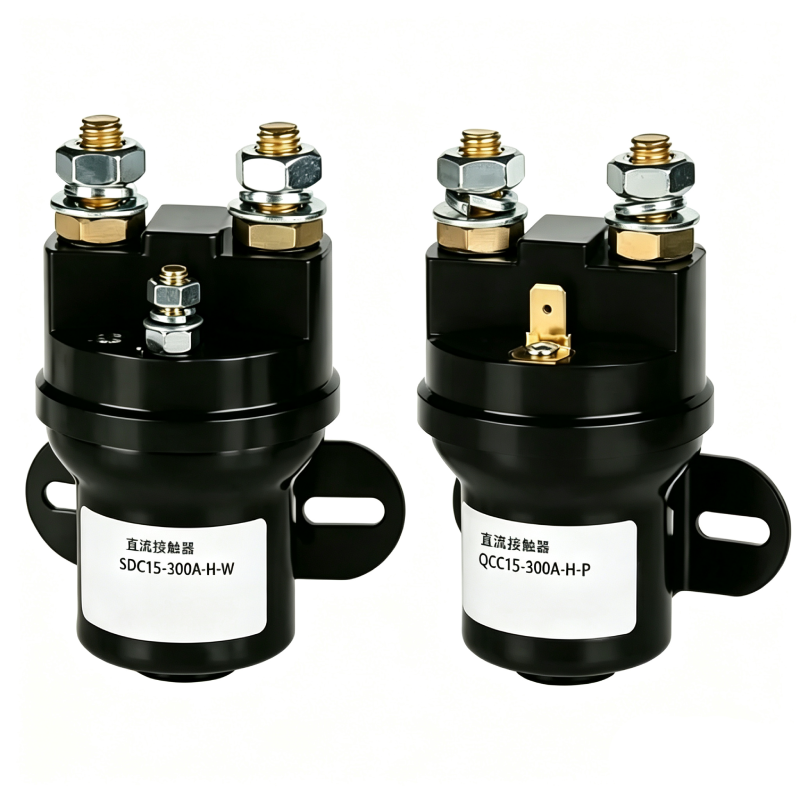
LCTC DC contactors can be classified into the following categories:
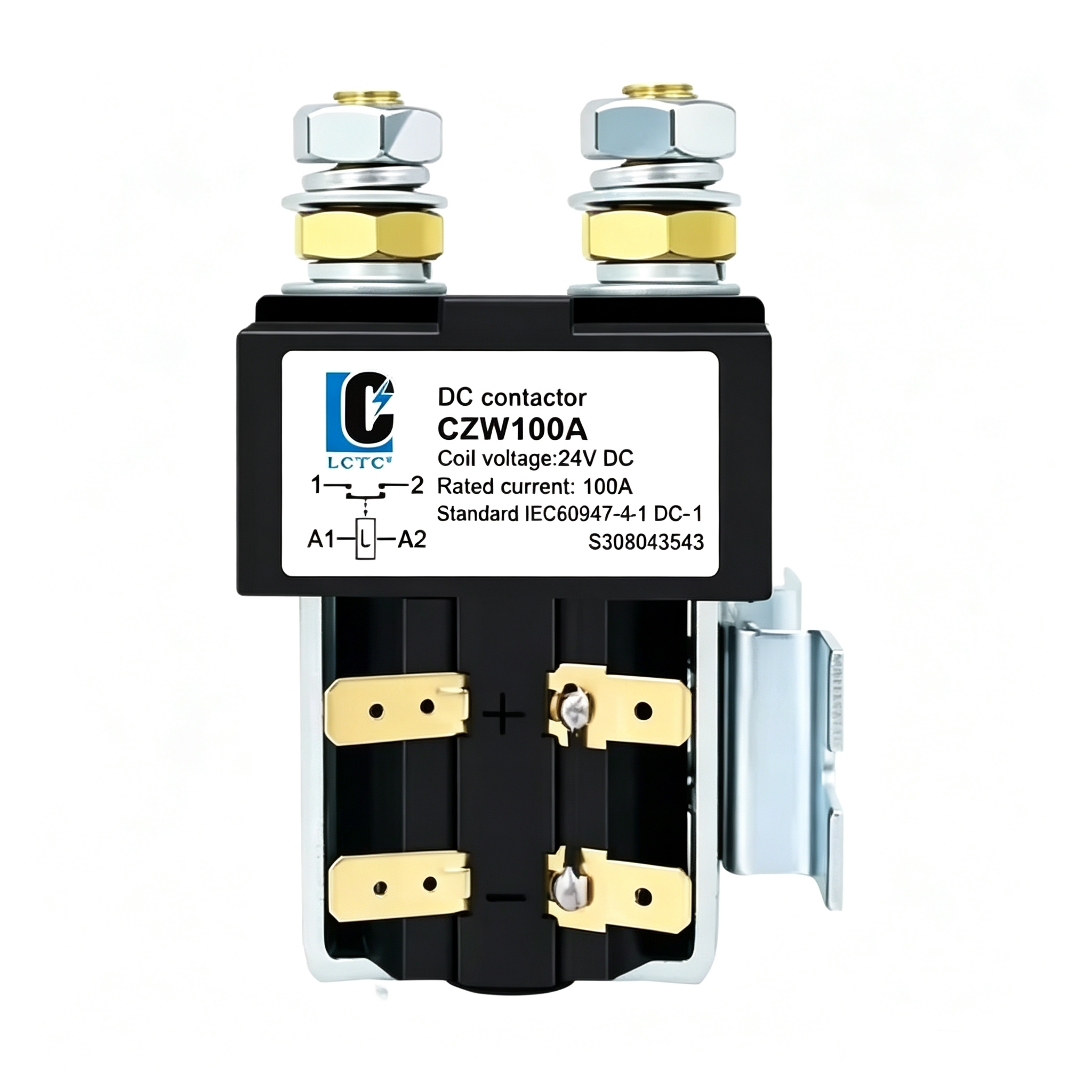
Design offers a quiet 3 decibel operation and operates smoothly up to 105℃.
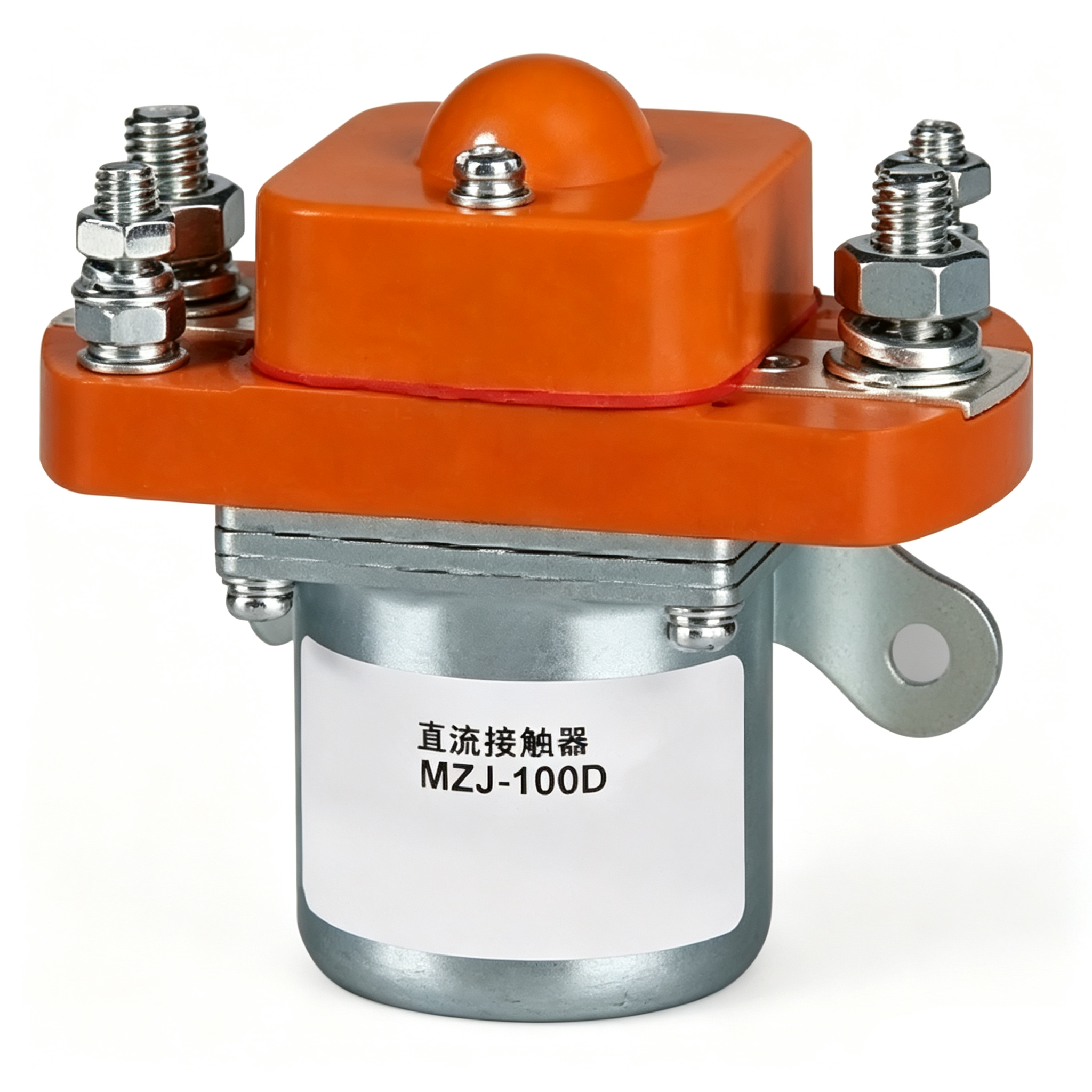
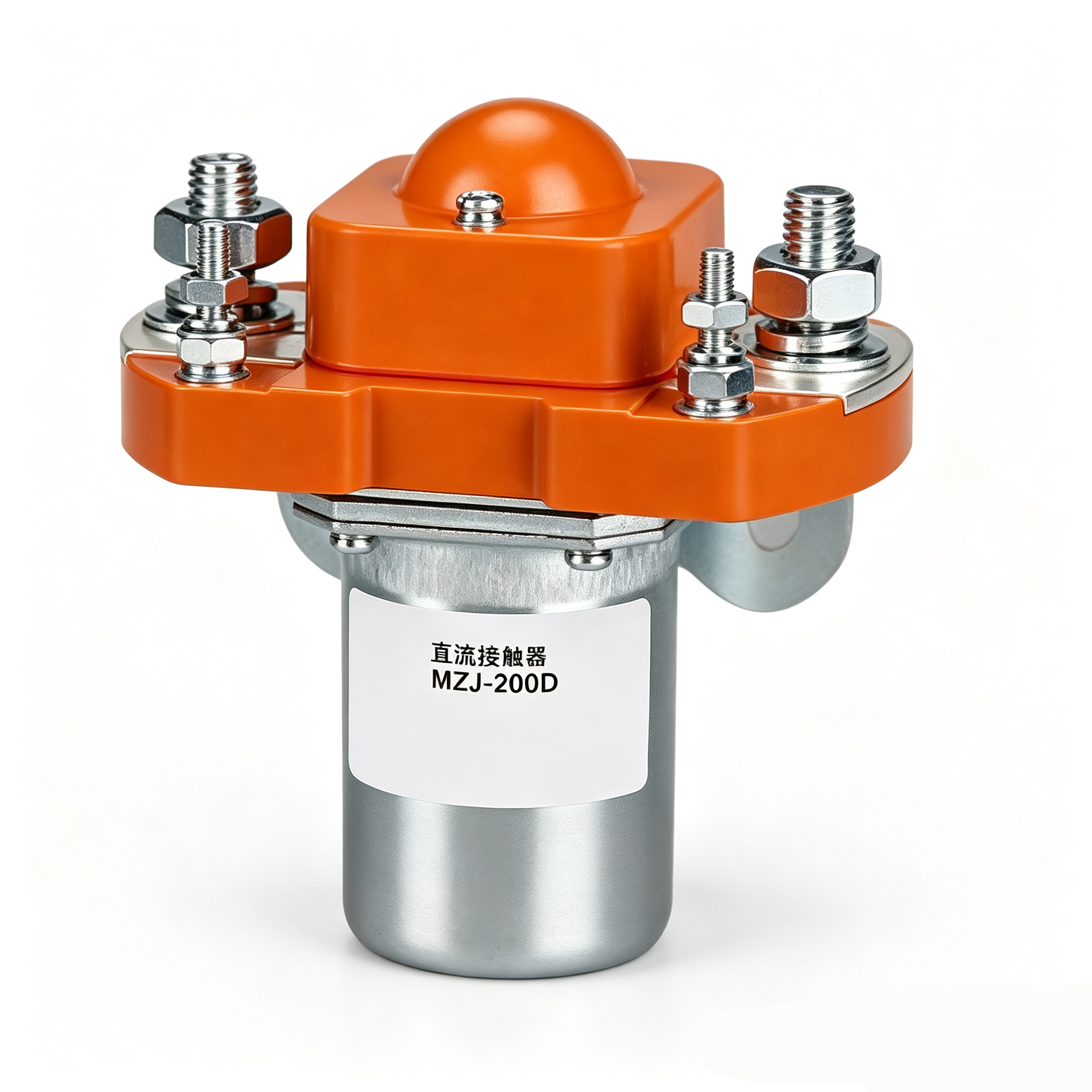
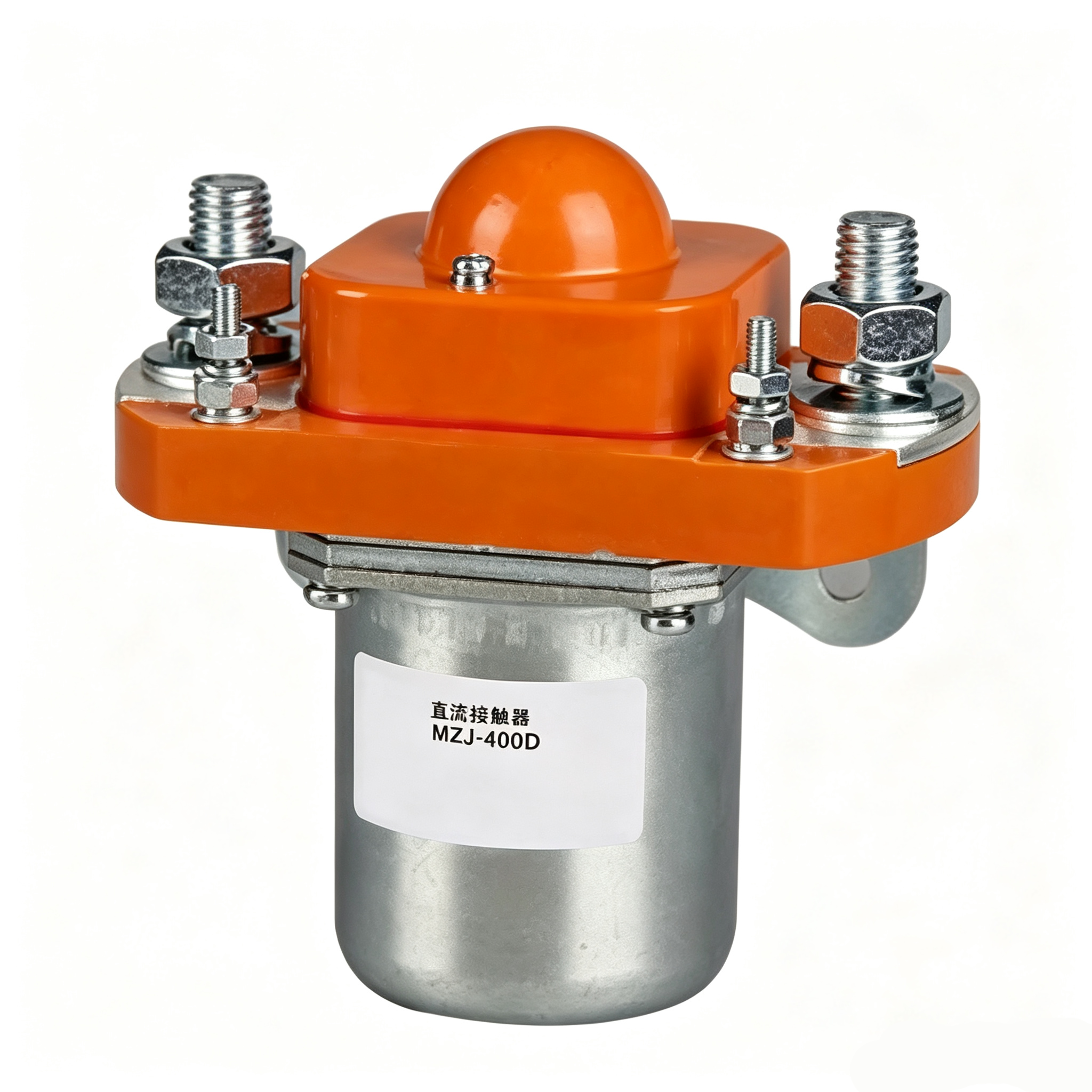
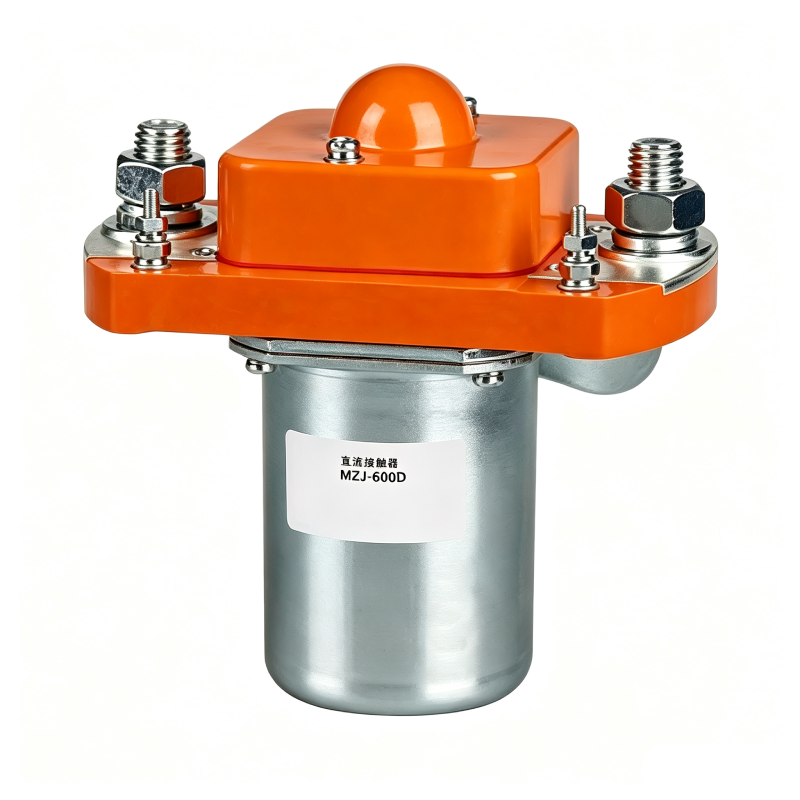
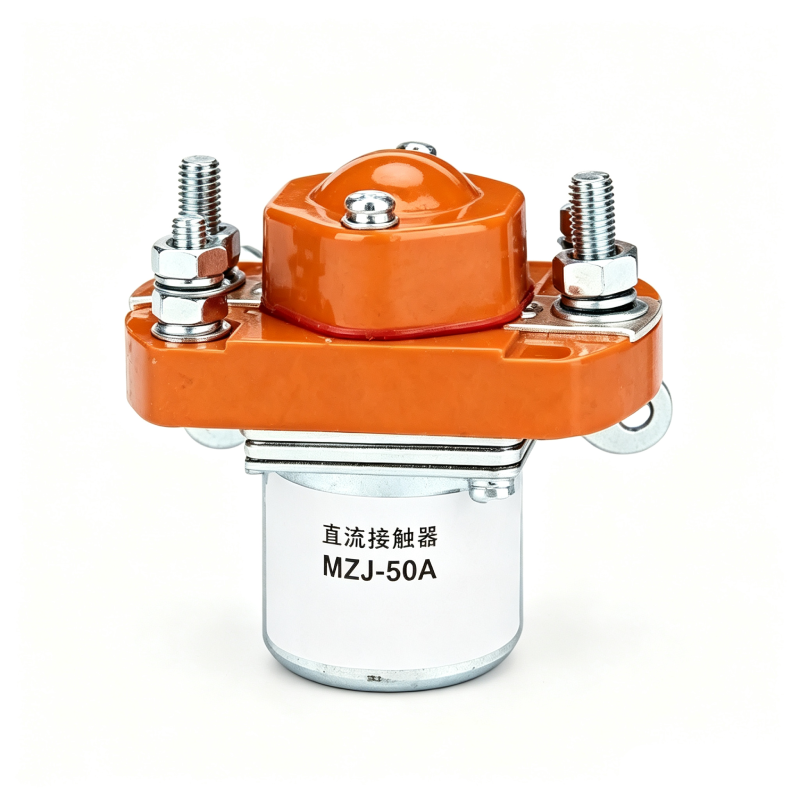
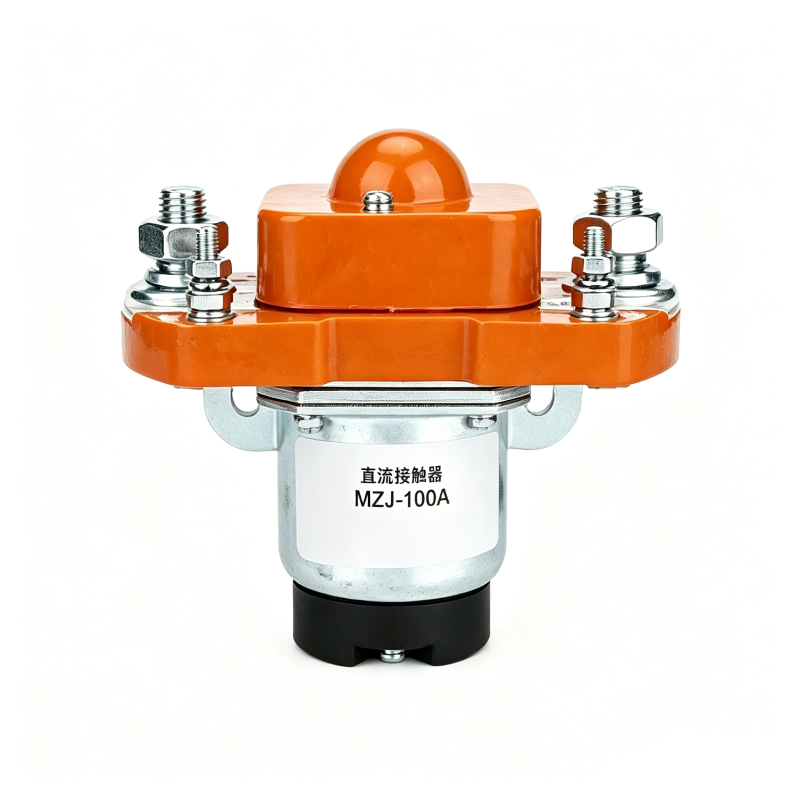
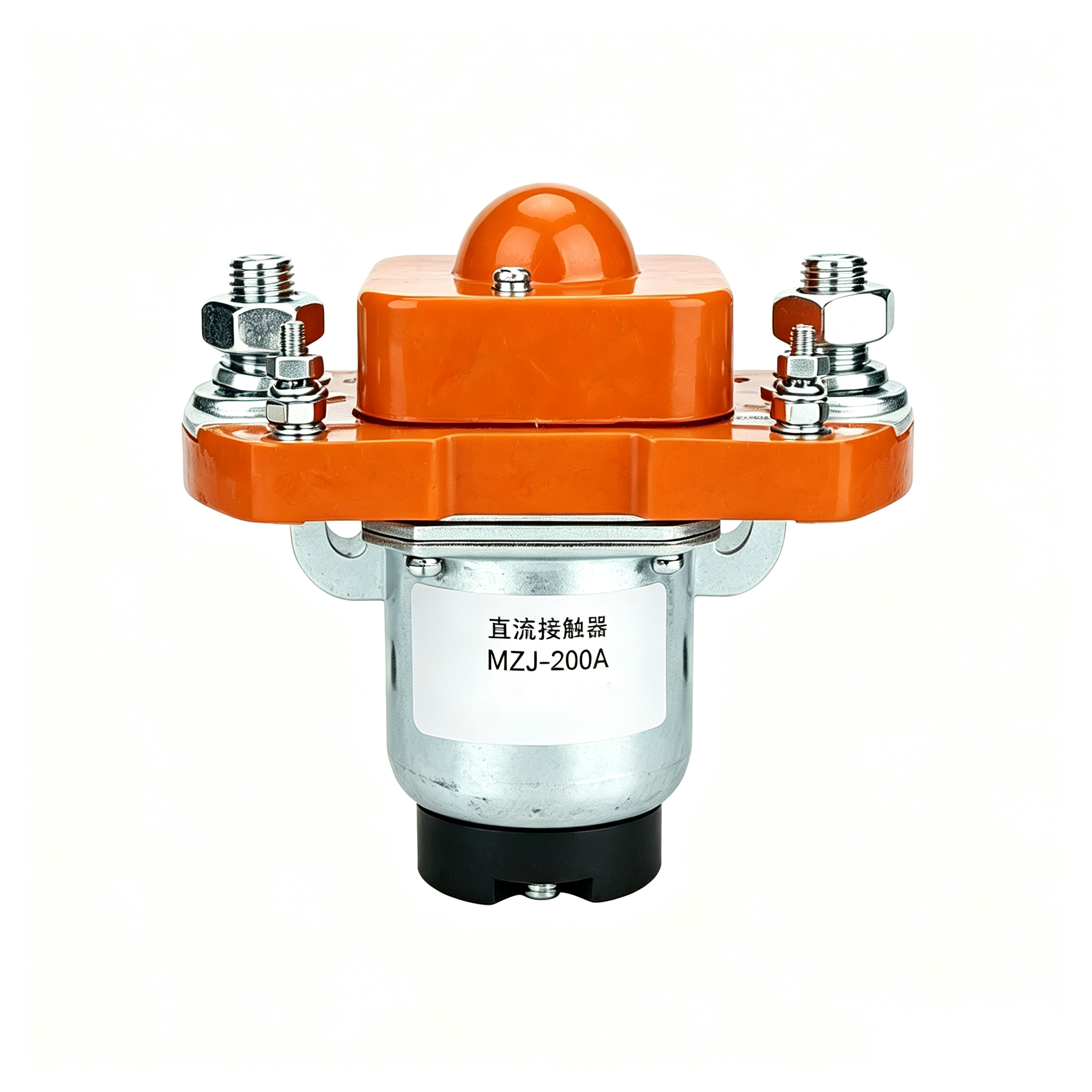
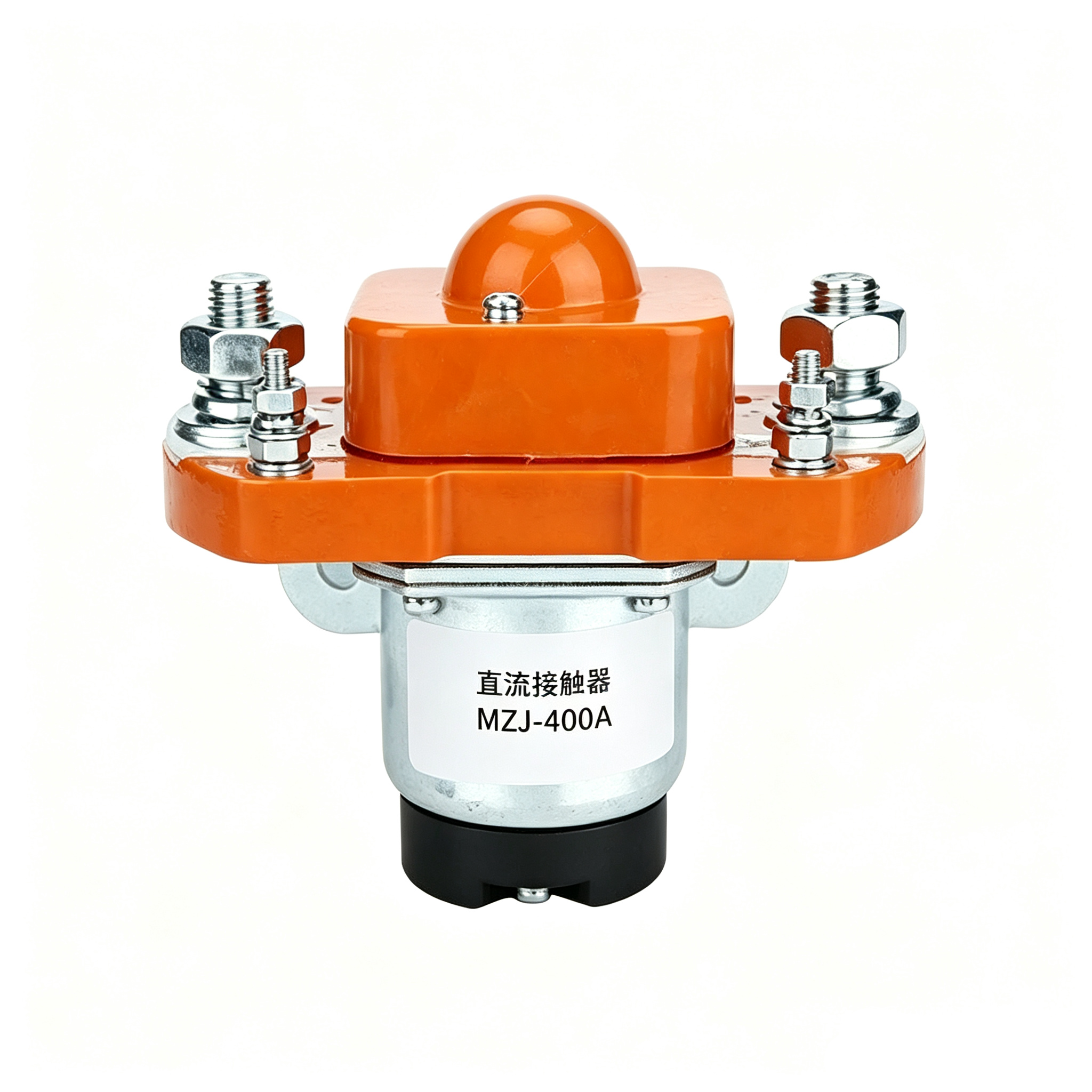
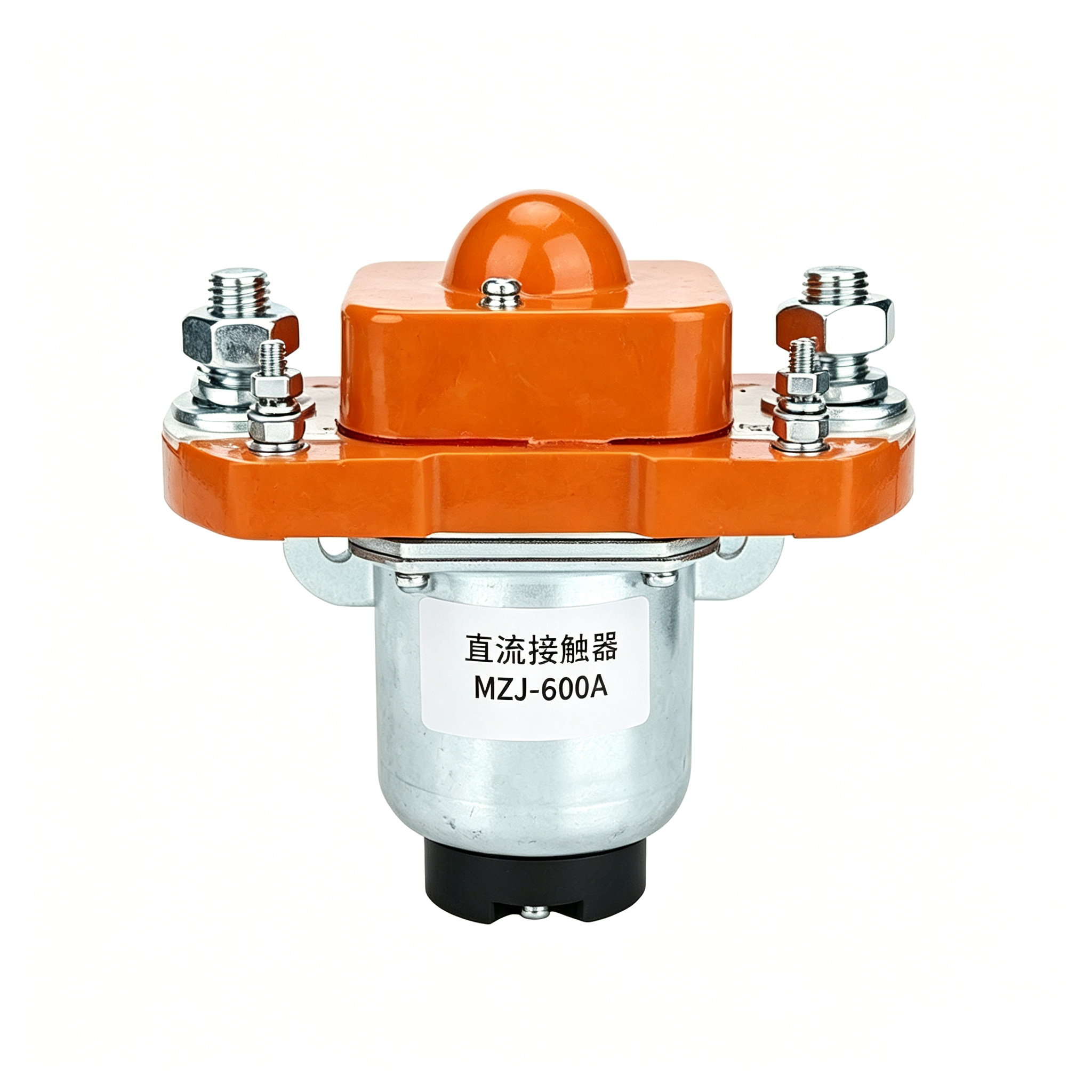
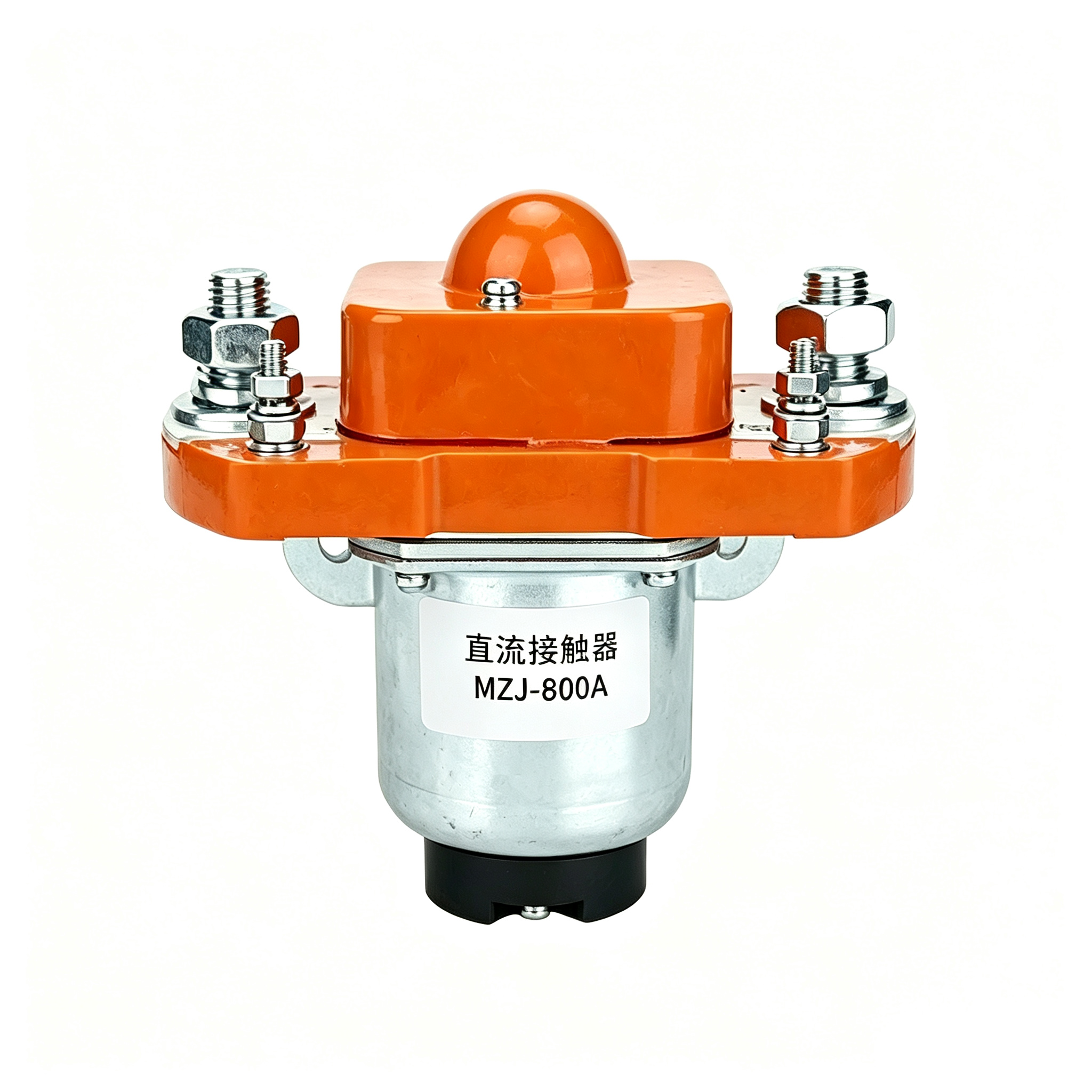
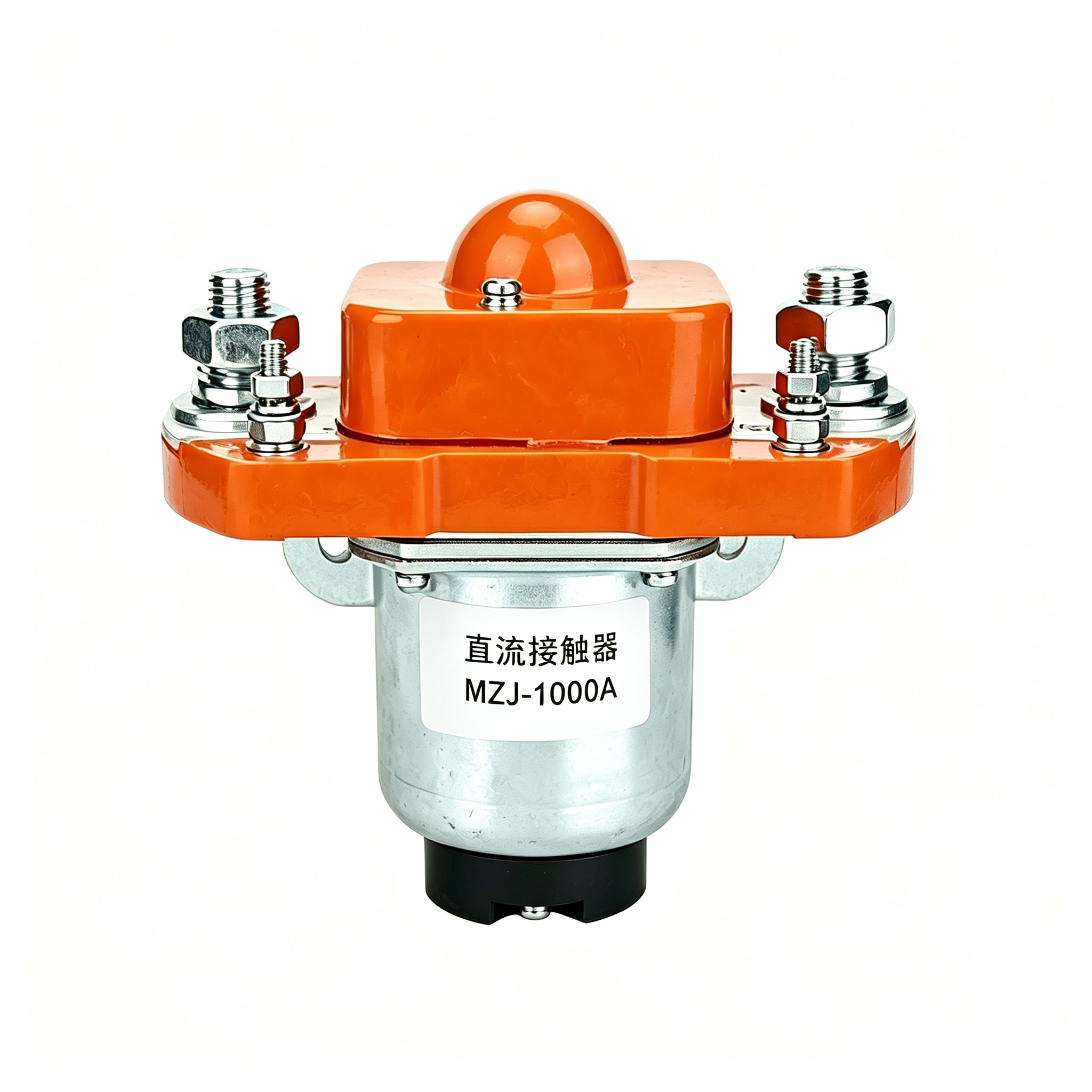
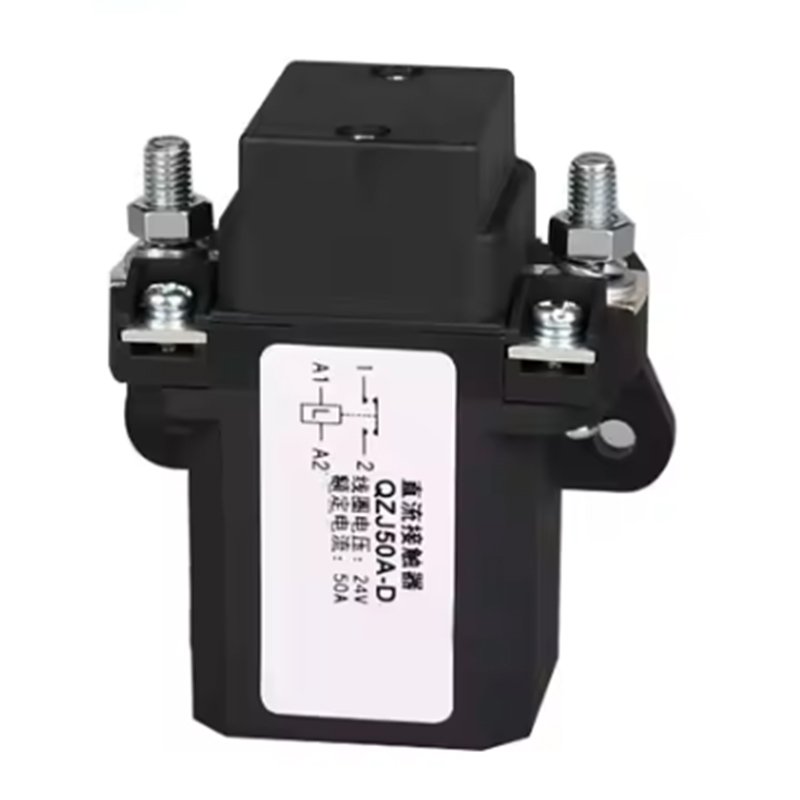
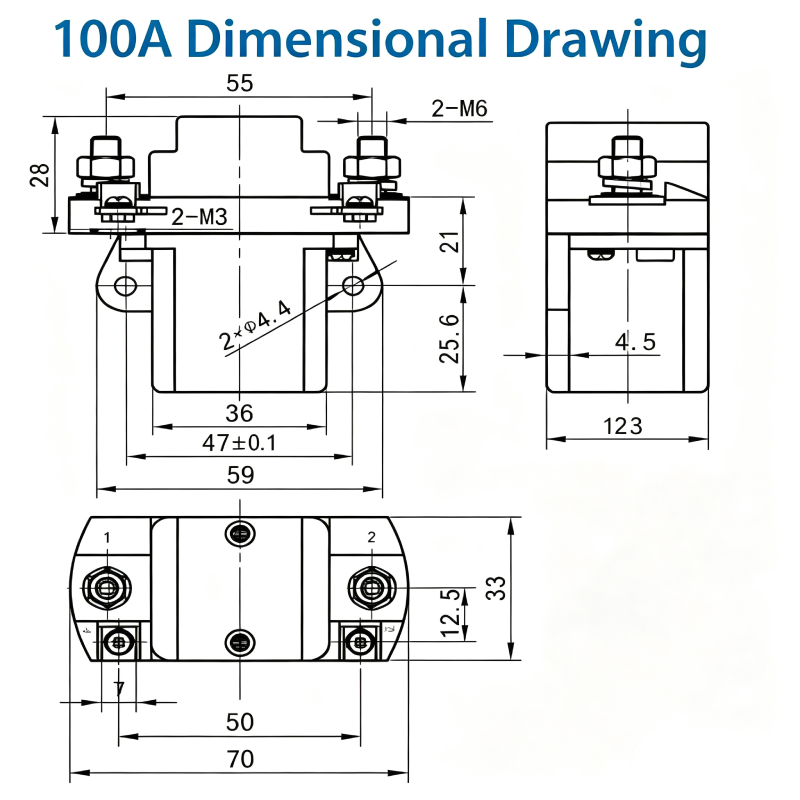
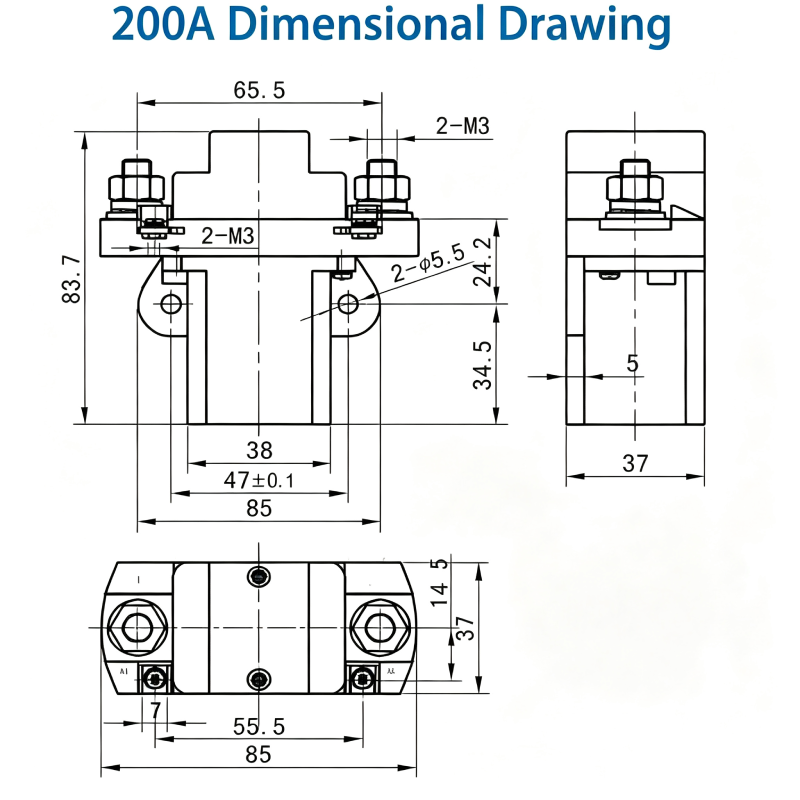
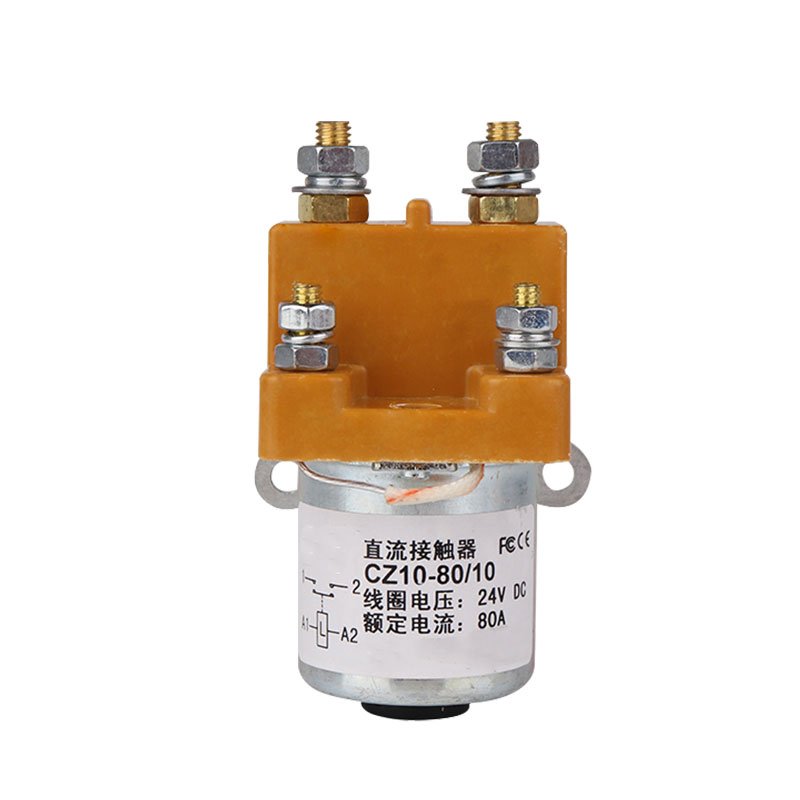
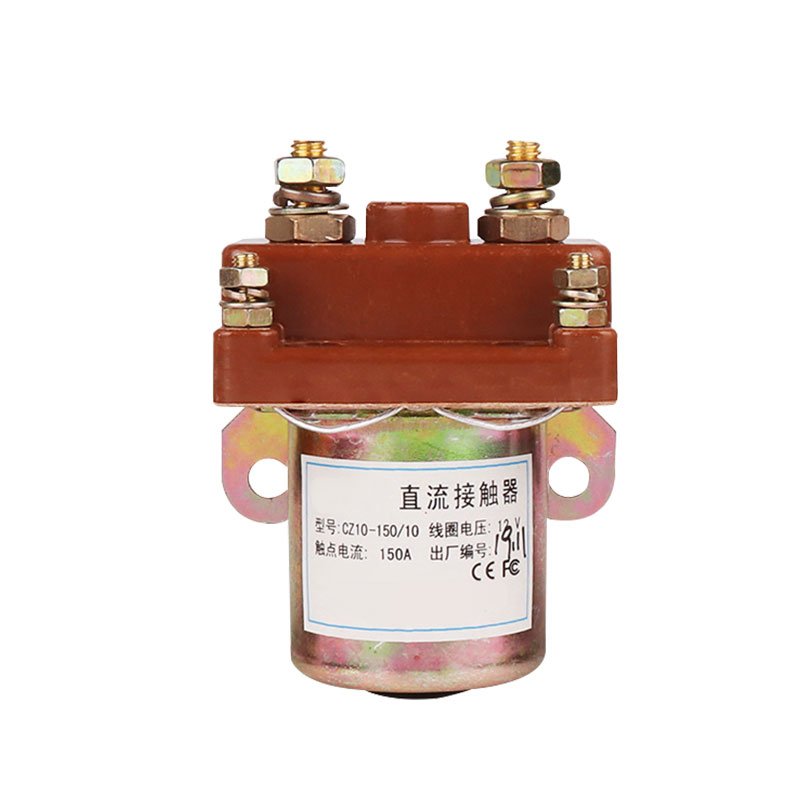
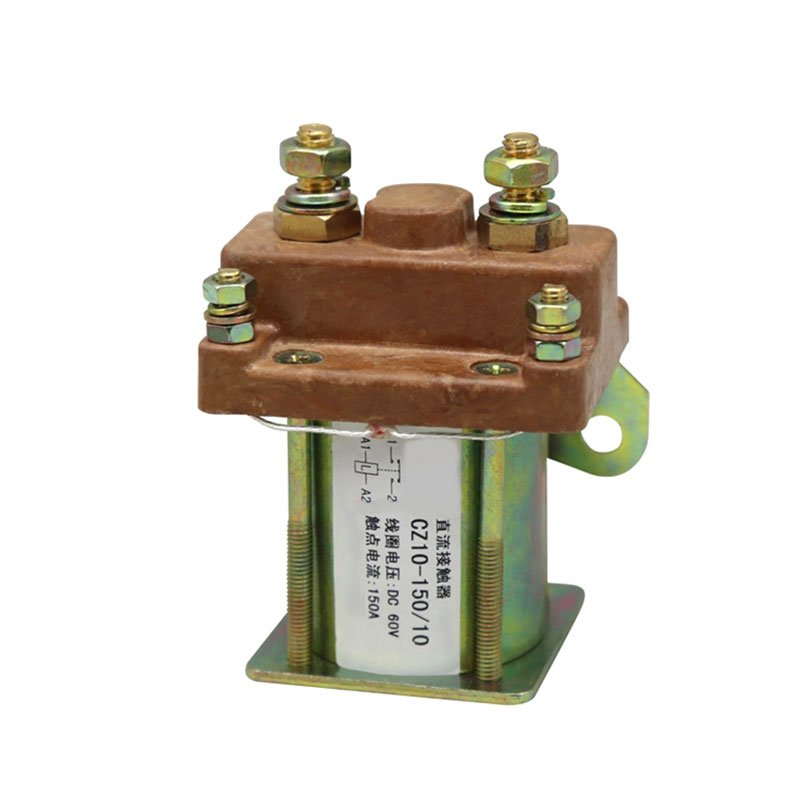
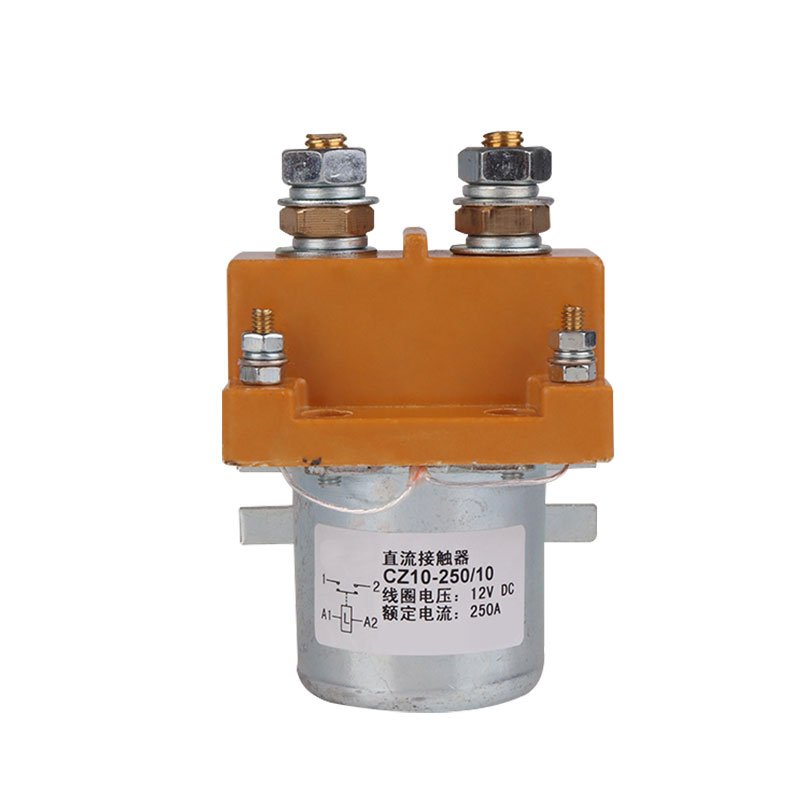
More Suitable for High Voltage Direct Current Applications
The LCTC DC contactor is specially designed for DC and is suitable for circuits with high current and high voltage. It can also be frequently turned on and off, making it more reliable in practice. It is particularly suitable for high-voltage direct current applications with high safety requirements, such as wind power generation and energy storage systems in photovoltaic energy systems, DC traction systems in railway or ship systems, and high-performance DC equipment in some industrial automation systems.

Stronger Flame Retardant Ability, Safer and More Reliable
The difference lies in that AC contactors and DC contactors do not pass through the zero position. In addition, the duration of direct current arcs is longer and the difficulty of extinguishing them is greater. Therefore, it must be designed as an active power-off with a more powerful fire-extinguishing capability. The LCTC DC contactor actively and quickly cuts off the current through structures such as magnetic discharge and arc chamber, reducing contact combustion and ensuring safe and reliable switching operation in a DC environment.
Of course we have, LCTC DC contacts typically have a wide range of voltage compatibility from 12V to 120V, thus meeting various voltage requirements.
Unfortunately, this is usually impossible. Although DC contacts can be used in some low-voltage communication scenarios, their design is very complex and expensive, so they are not recommended for use.