
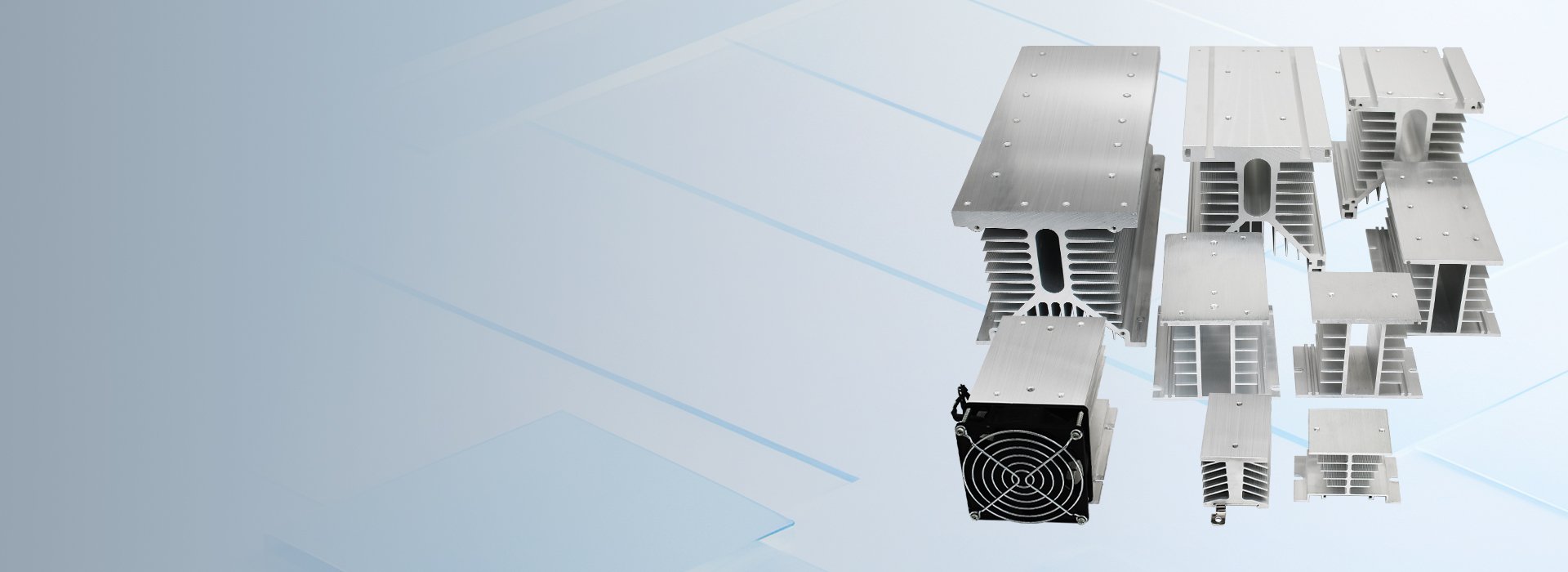
Your Professional SSR Heat Sink Supply Manufacturer
Looking for a reliable heat sink for your SSR? Please feel free to contact LCTC. We’ve been working with electrical components for years, focusing on the manufacture and sales of electrical products.
LCTC has been working in the electrical components industry for many years, we committed to providing excellent products and performance. From design to production, every link goes through a strict process to ensure the safety and reliability of the product. Our products have been certified by international professional institutions, including European CE certification, ISO 9001 certification and RoHS certification, which ensures their recognised quality and reliability.
LCTC’s products are shipped from China to customers around the world, thanks to our professional team and cooperation. From the time you first learned about LCTC to the time you received the product, there will be a special representative to assist you throughout the whole process to ensure that your order is delivered safely and completely. If you are interested in our products, welcome to send us information for consultation.
LCTC Product
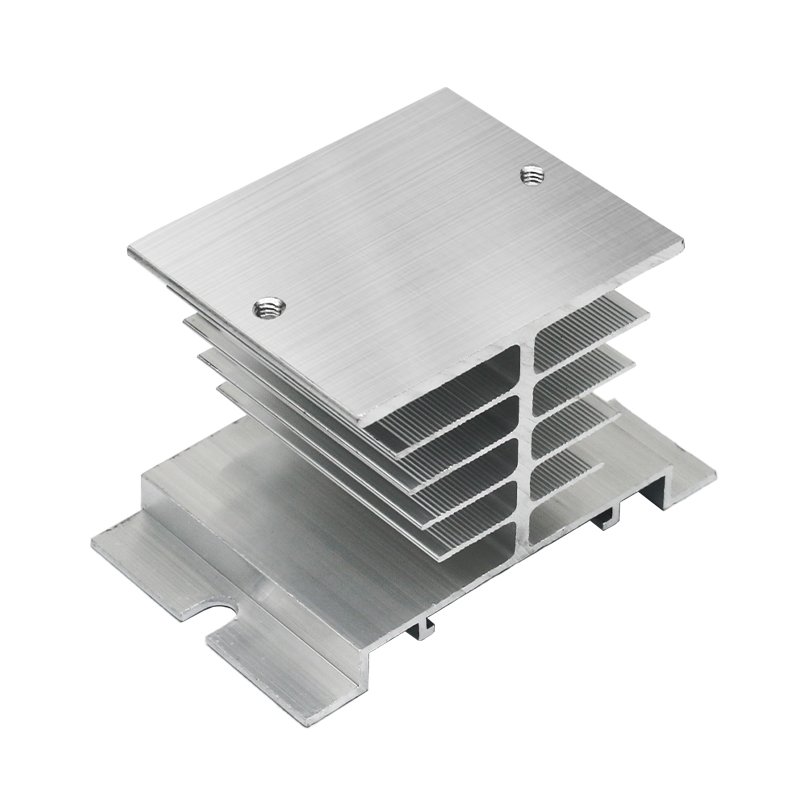
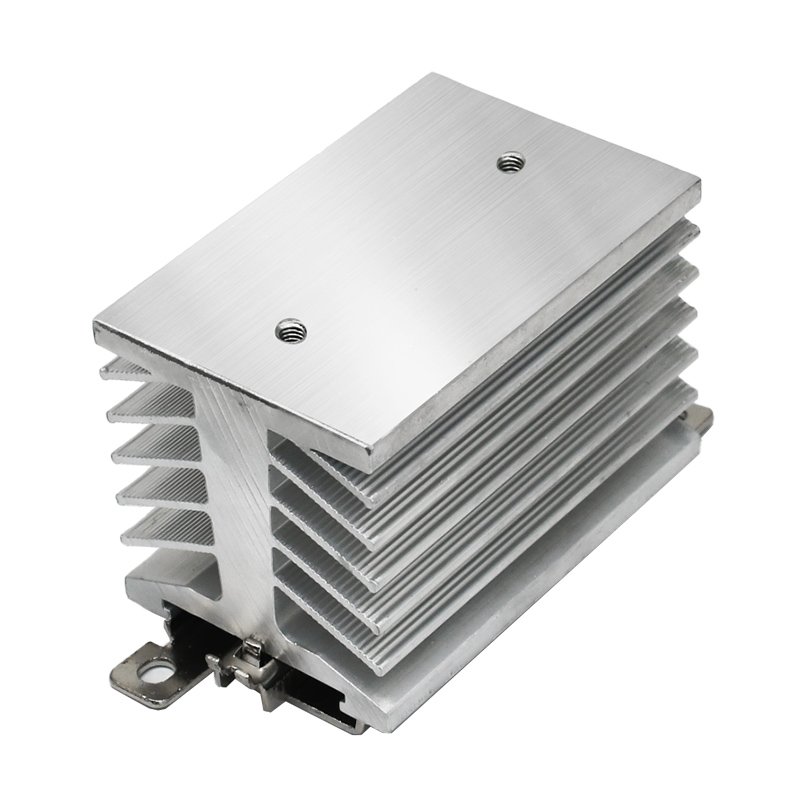
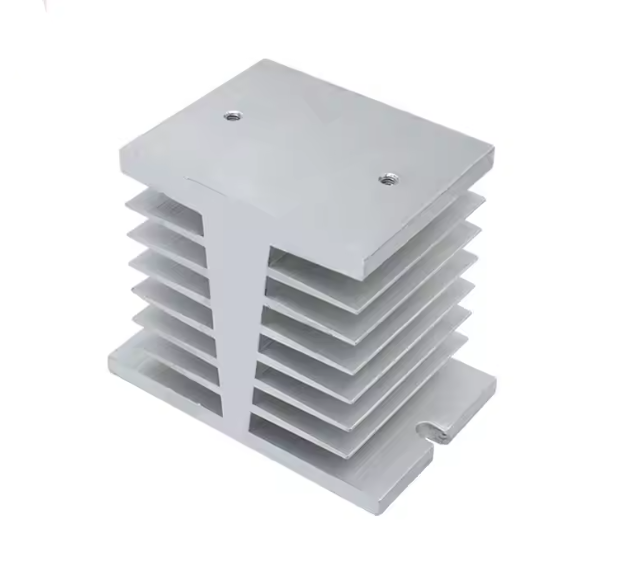
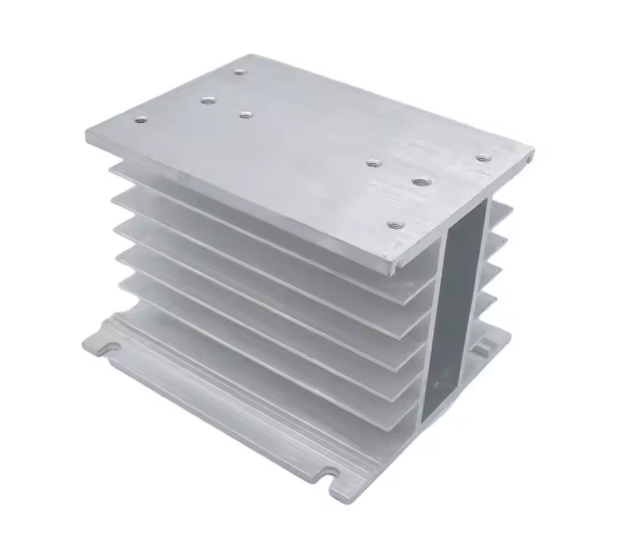
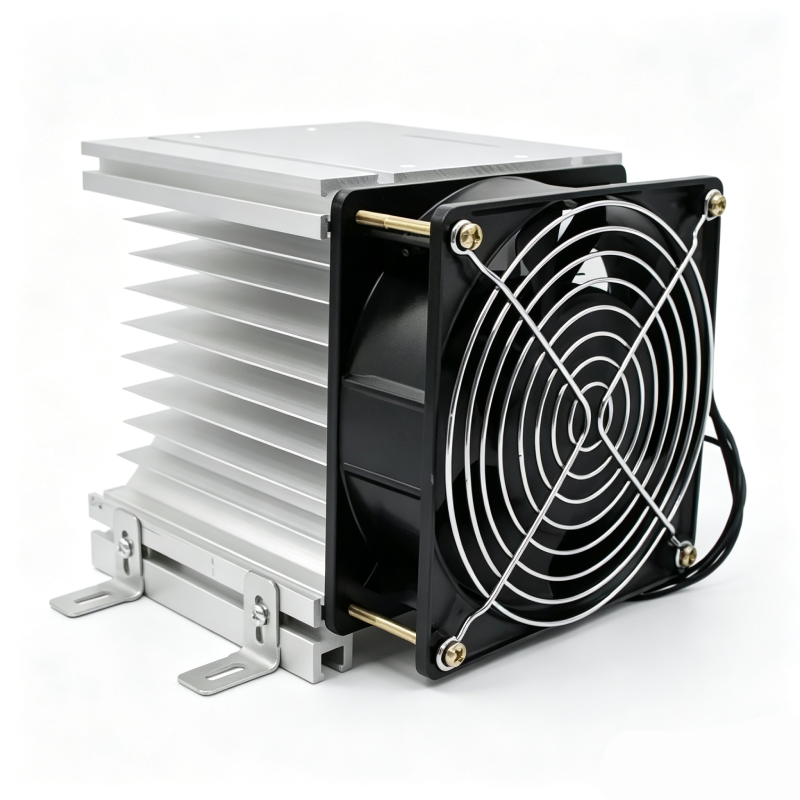
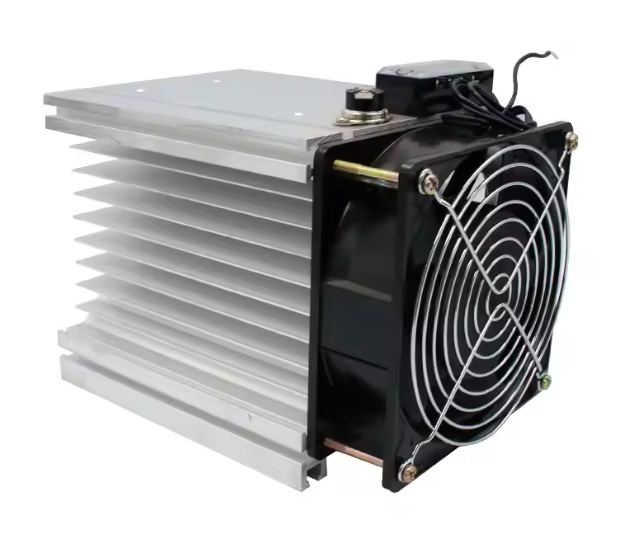
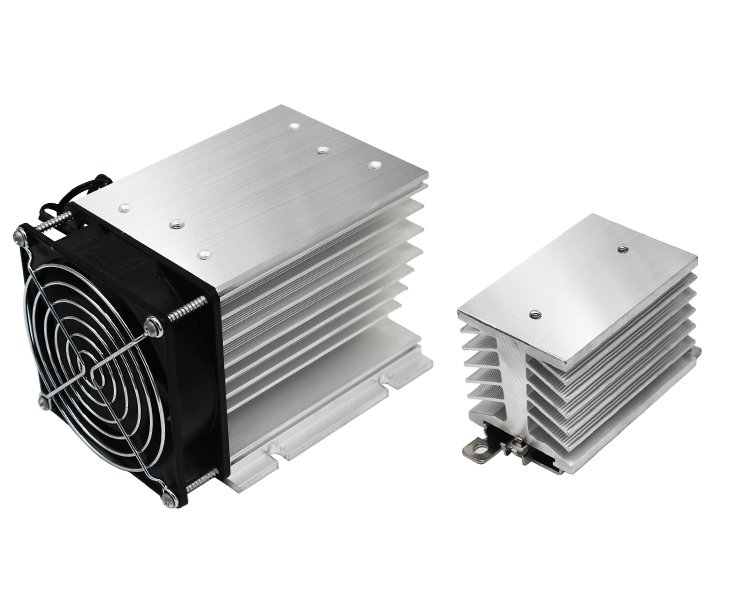
1.Application:≦100A single phase SSR
2.Application:≦25A Three phase SSR
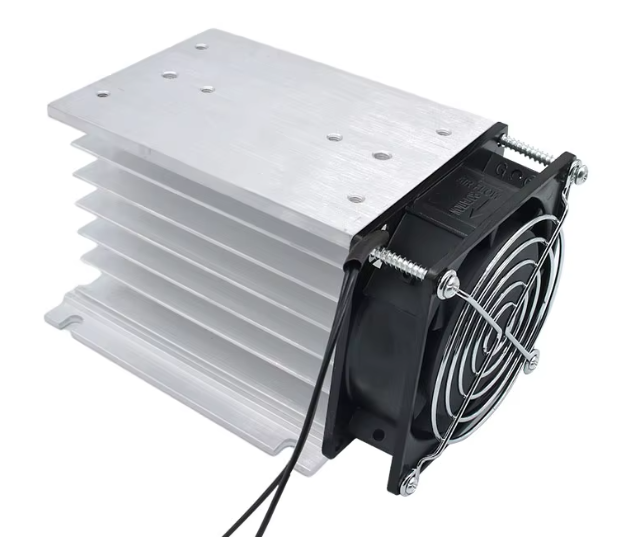
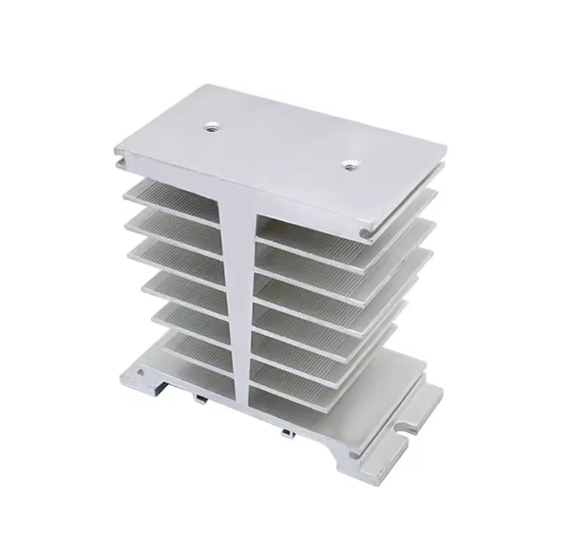
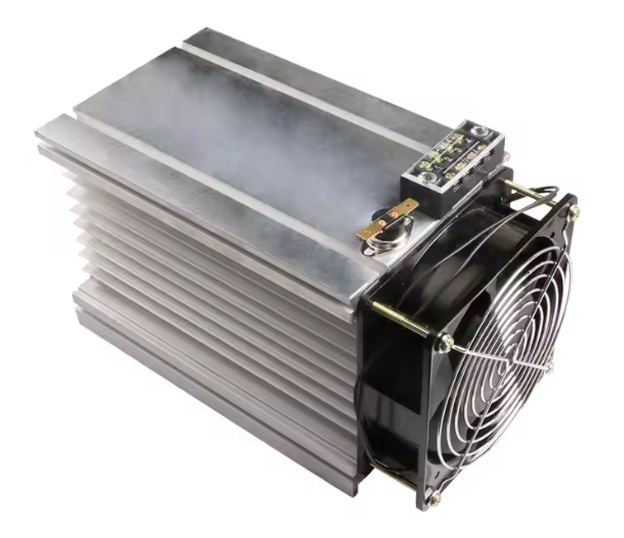
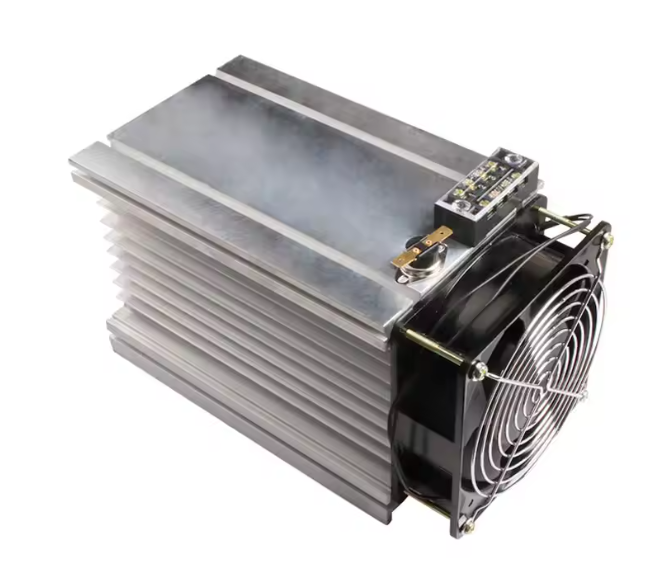
1.Application:≦120A single phase SSR
2.Application:≦40A Three phase SSR
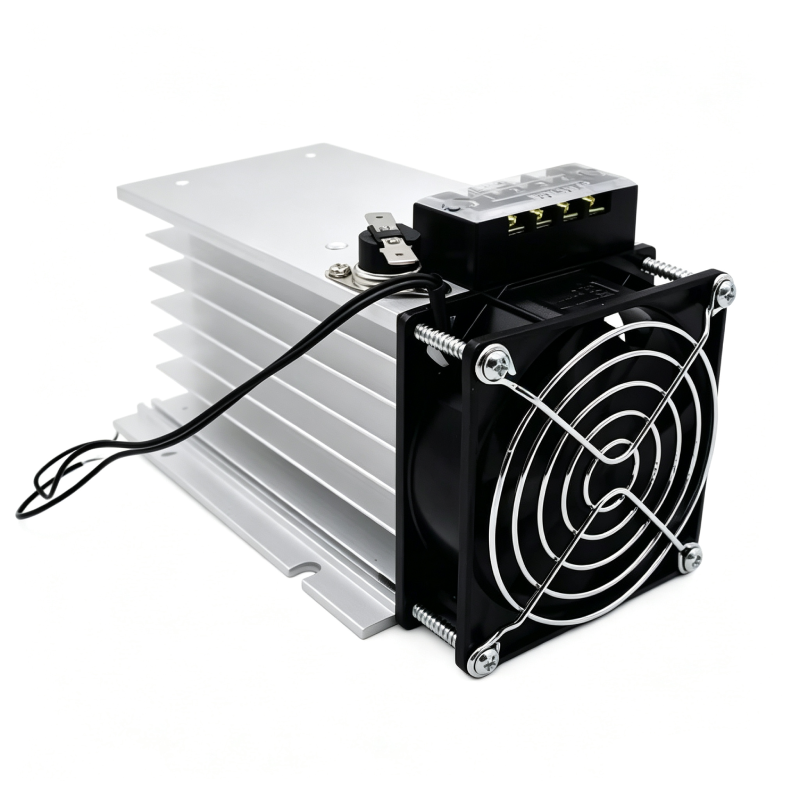
Feature of SSR Heat Sink
In most industrial environments, it is more advantageous to equip SSR with a heat sink.

The heat sink accelerates the heat dissipation speed by increasing the heat transfer surface area and promoting air convection, to prevent overheating and maintain stability.

If an SSR is exposed to a high temperature environment for a long time, it is easy to age, thus shortening its service life. The use of heat sink helps to reduce the temperature and slow down the ageing process.

Too high SSR temperature may cause the output of the device to be unstable. Using a heat sink can reduce the temperature, so as to ensure the long-term stable operation of the equipment.

Too high SSR temperature can cause many problems, such as equipment damage, circuit short circuit, and tripping. The heat sink can reduce the temperature, thus reducing the probability of such failures.
Wide Compatibility with SSR Modules
The LCTC SSR heatsink supports single-phase and three-phase SSRs as well as high-power SSR modules, covering various specifications for both DC and AC applications. It also supports various mounting methods, such as DIN rail and control panel mount installation. Additionally, it provides suitable thermal management solutions for SSRs with different rated currents. The LCTC SSR heat sink can also be integrated into industrial control systems and installed in switchgear, temperature control systems, heating units, and similar applications.
Optimized Fin Design for More Efficient Heat Dissipation
The LCTC SSR heat sink uses a finned design to increase the surface area for heat dissipation. By integrating numerous thin fin structures, it maximizes the contact area with air while maintaining the same overall volume, thereby enhancing heat dissipation. Moreover, this design effectively enhances air convection speed; the air channels formed between the cooling fins promote natural convective airflow, reduce air resistance, and accelerate heat dissipation. Ensures reliable operation of the SSR in industrial environments requiring continuous running.
Application of SSR Heat Sink
The SSR heat sink provides effective heat dissipation solutions for a wide range of industries and equipment.
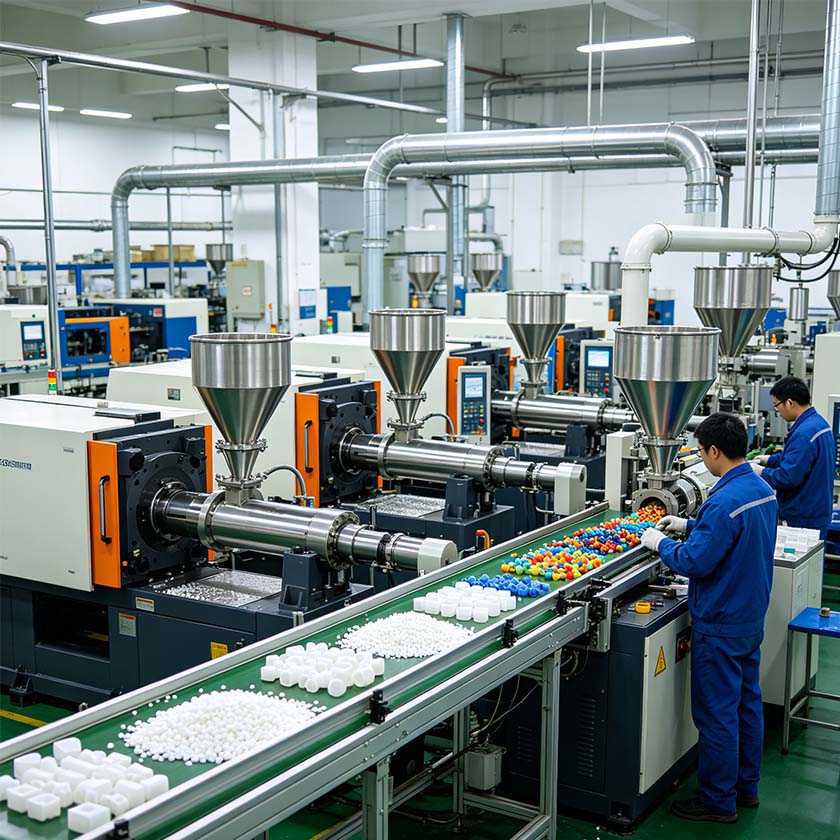
Thanks to improved operational stability and long-term reliability, along with a simultaneous reduction in the risk of equipment downtime caused by overheating, LCTC-SSR heat sinks are widely used in the plastics processing industry. Typical equipment includes injection molding machines, extrusion machines, blow molding machines, and hot runner systems.
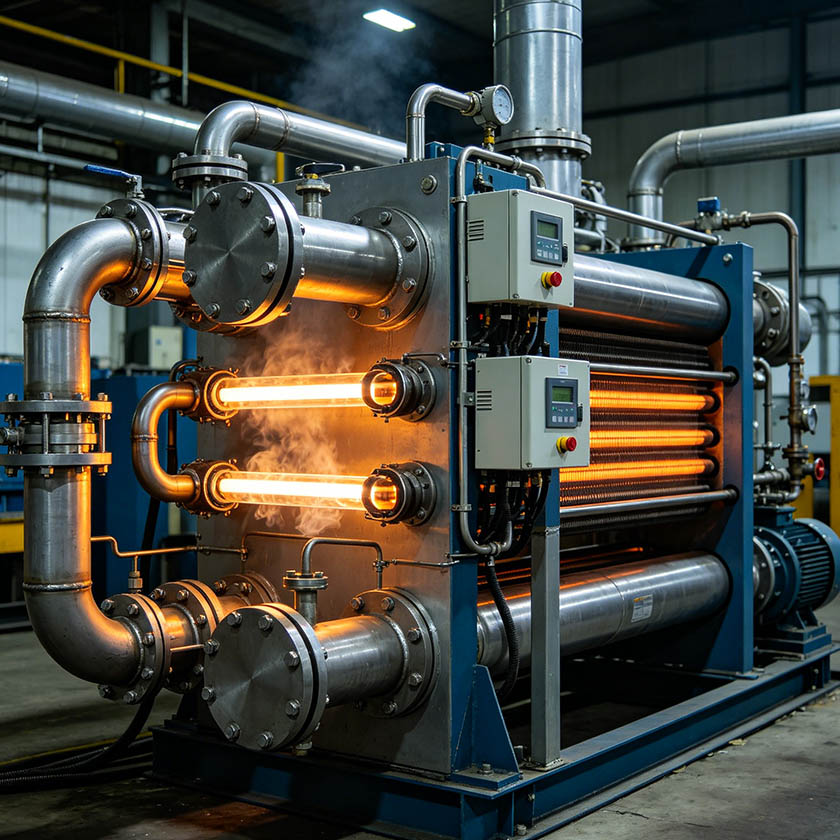
Industrial processing plants are often characterized by high performance output and continuous operation, with the SSR serving as a core component that continuously withstands electrical loads. The LCTC SSR heat sink effectively reduces heat generation, thereby preventing problems such as thermal disturbances caused by continuous operation. Typical equipment includes industrial ovens, furnaces, heating chambers, and drying equipment.
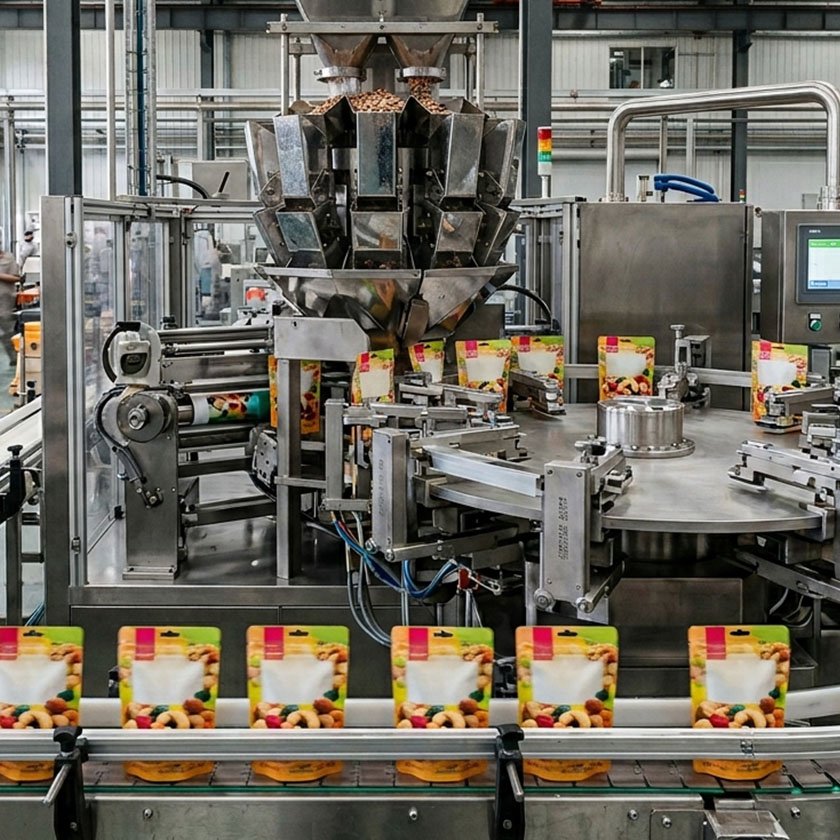
In this industry, packaging equipment typically operates at high speeds, which often requires frequent switching operations for SSRs (semiconductor relays). LCTC cooling units for SSRs help dissipate the heat generated by high-frequency switching and the thermal stress associated with continuous production, thereby reducing maintenance requirements. Typical equipment includes heat sealing machines, packaging machines, filling machines, and shrink wrapping machines.
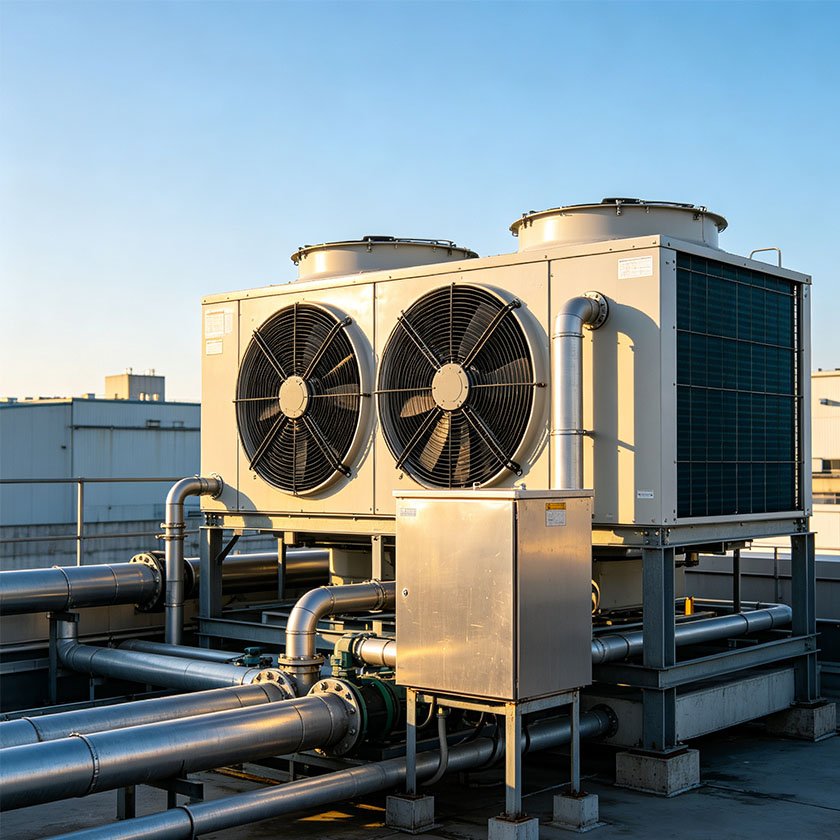
HVAC systems require stable control and low-maintenance long-term operation. Using a heat sink for SSR enhances the reliability and longevity of the control module by counteracting issues such as heat buildup in the switchgear and the heat generation of SSRs under continuous load, thereby reducing the system’s maintenance costs. Typical equipment includes HVAC controllers, temperature control panels, heating systems, and climate chambers.
When selecting a cooling body, factors such as the SSR’s rated current, load type, duty cycle, ambient temperature, and installation environment must be taken into account.
For applications involving high currents and continuous loads, a large heat sink with excellent heat dissipation performance is required.
Before installation, clean the contact surfaces between the SSR and the heat sink; applying thermal paste or a thermal pad can improve heat dissipation. Then, secure the SSR with screws. Proper installation helps improve heat dissipation of the SSR, enhance reliability, and extend its service life.
For a 40A single-phase SSR, the required heat sink size depends on the load current, duty cycle, ambient temperature, and ventilation conditions. In continuous operation, a larger aluminum heat sink with optimized cooling fins is recommended to effectively dissipate heat and maintain stable SSR performance. The heat sink should provide sufficient thermal capacity for the actual application rather than being selected only by SSR current rating.
Yes, LCTC offers OEM/ODM customization services for SSR heat sinks, while also providing specifications, technical support, and after-sales service.
Yes, LCTC offers SSR heat sink models designed for standard 35mm DIN rail mounting, as well as models that support panel mounting to meet various installation requirements.
It is recommended to use a heat sink with the SSR when operating under conditions such as high current, continuous load, high-temperature environments, or enclosed spaces.
For standard applications, an aluminum heatsink is sufficient for SSRs; however, in harsh industrial environments, it can be combined with a heat sink with forced air cooling to further improve heat dissipation and ensure the reliability of the SSR.
It depends on how you’re using your SSR, but In most cases, industrial equipment or devices with higher power ratings are best equipped with heat sinks. So if you’re unsure, it’s usually better to include one rather than risk overheating issues later.
Under higher loads or longer run times, without heat sink, the temperature can climb pretty quickly. That’s when you start seeing things like unstable operation, unexpected shutdowns, or the SSR failing earlier than it should.
Its working principle is very simple, mainly by increasing surface area and improving airflow, allowing heat to dissipate more efficiently.. In most cases, different heat sink use different metal materials, so the size of the heat dissipation area and the air convection speed are different, so the heat dissipation effect is also different.