
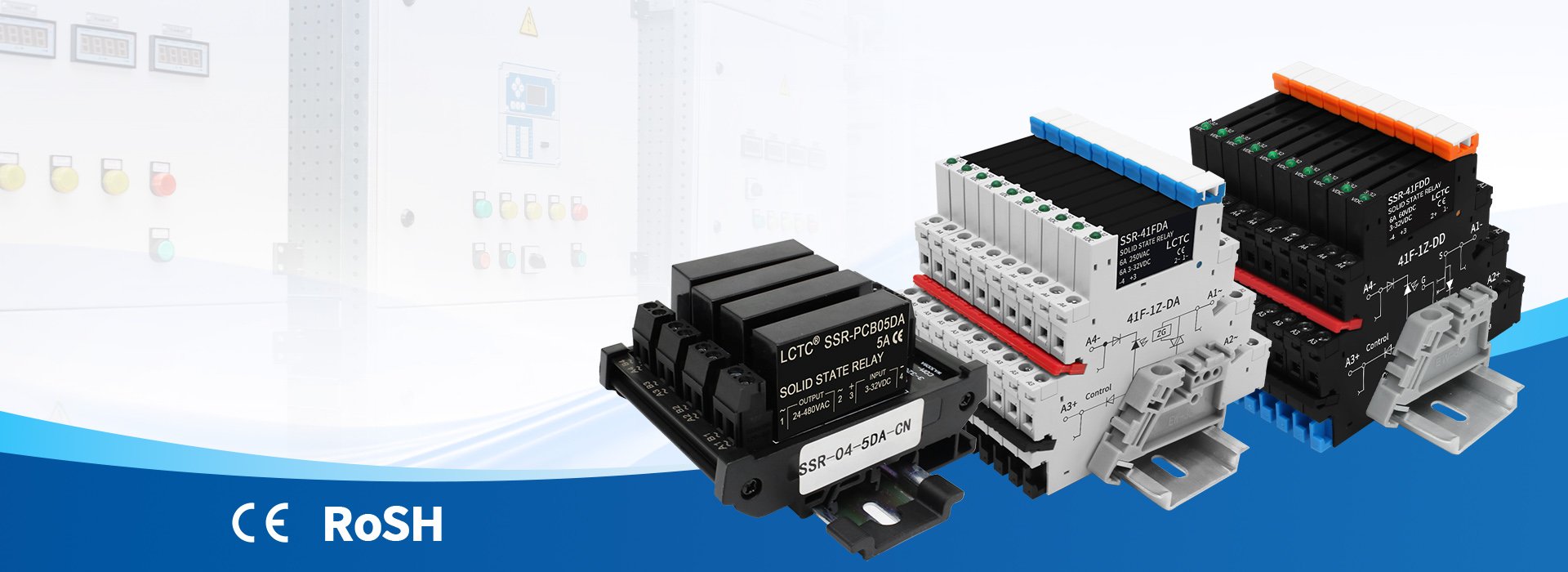
Solid State Relay Modules Supplier from China
LCTC is a solid state relay module designed for tight spaces and harsh industrial environments. We understand that internal space in many applications, such as switchgear, is often very limited. Therefore, the design aims to utilize the available space as efficiently as possible without compromising the performance of the equipment.
With nearly 10 years of production experience, we aim to provide you with reliable solutions for relays. Whether you are a distributor, manufacturer, or engineer, we offer flexible OEM/ODM solutions tailored to meet your market needs.
Are you interested in our products? Feel free to contact us online via the link at the bottom right, or by email or WhatsApp, to receive our product catalog and competitive quotes. Our team is always ready to assist you.
Solid State Relay Modules Product Selection
LCTC offers two SSR modules for you to choose from.
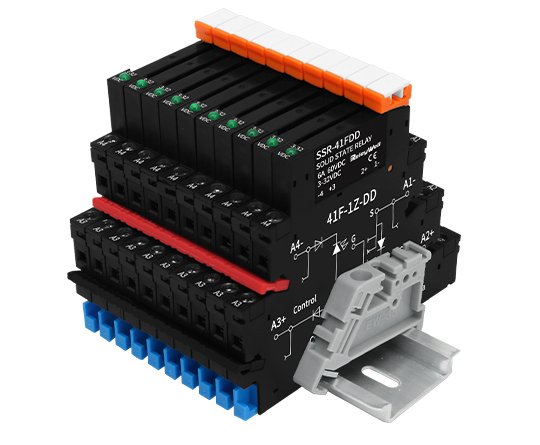
The ultra thin profile takes up minimal space, and common modules include 4 channel and 8 channel modules, or customized to your requirements.
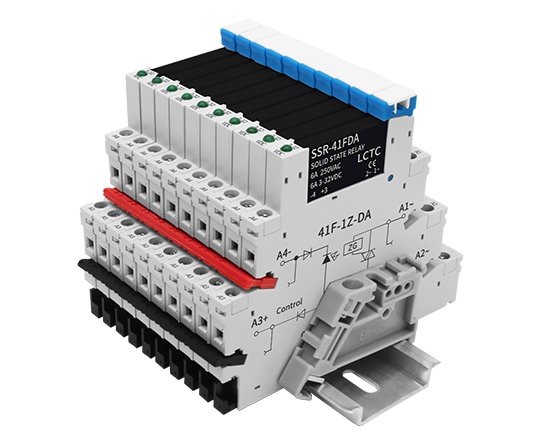
The ultra thin profile takes up minimal space, and common modules include 4 channel and 8 channel modules, or customized to your requirements.
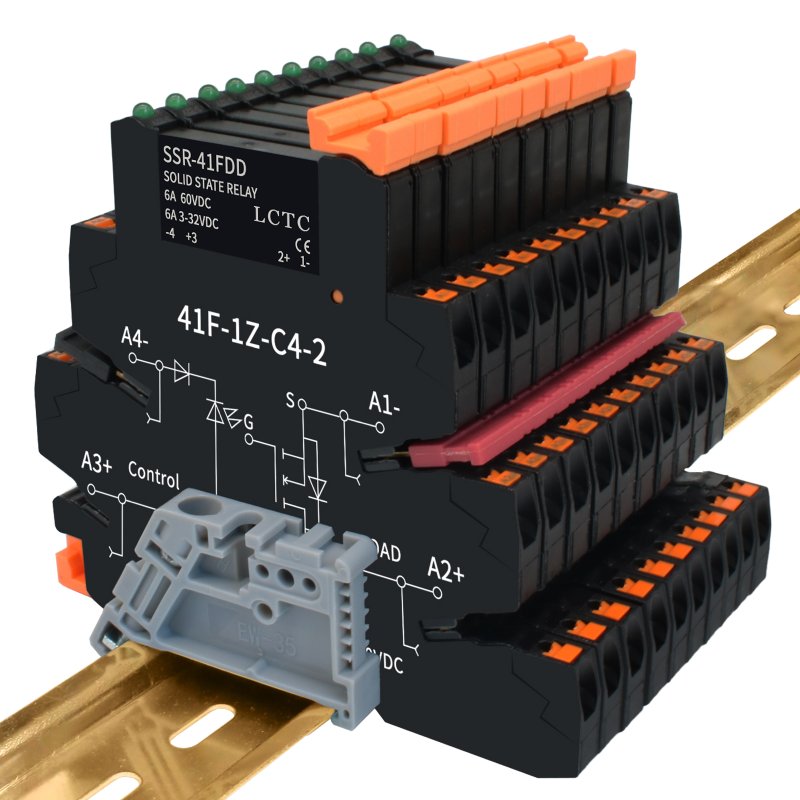
The ultra thin profile takes up minimal space, and common modules include 4 channel and 8 channel modules, Uses spring-clamp, terminals Tool-free wiring.
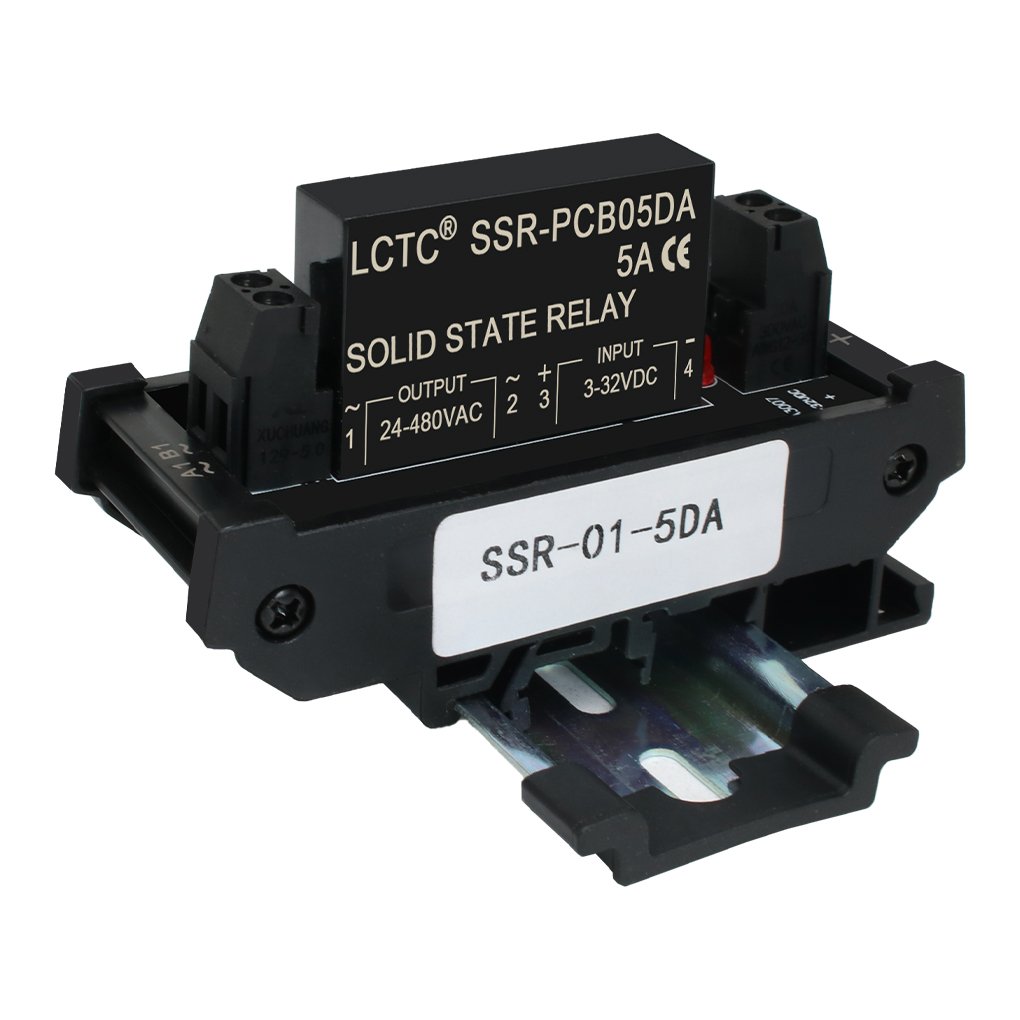
DIN mounting system provides a secure and space-efficient installation for various setups.
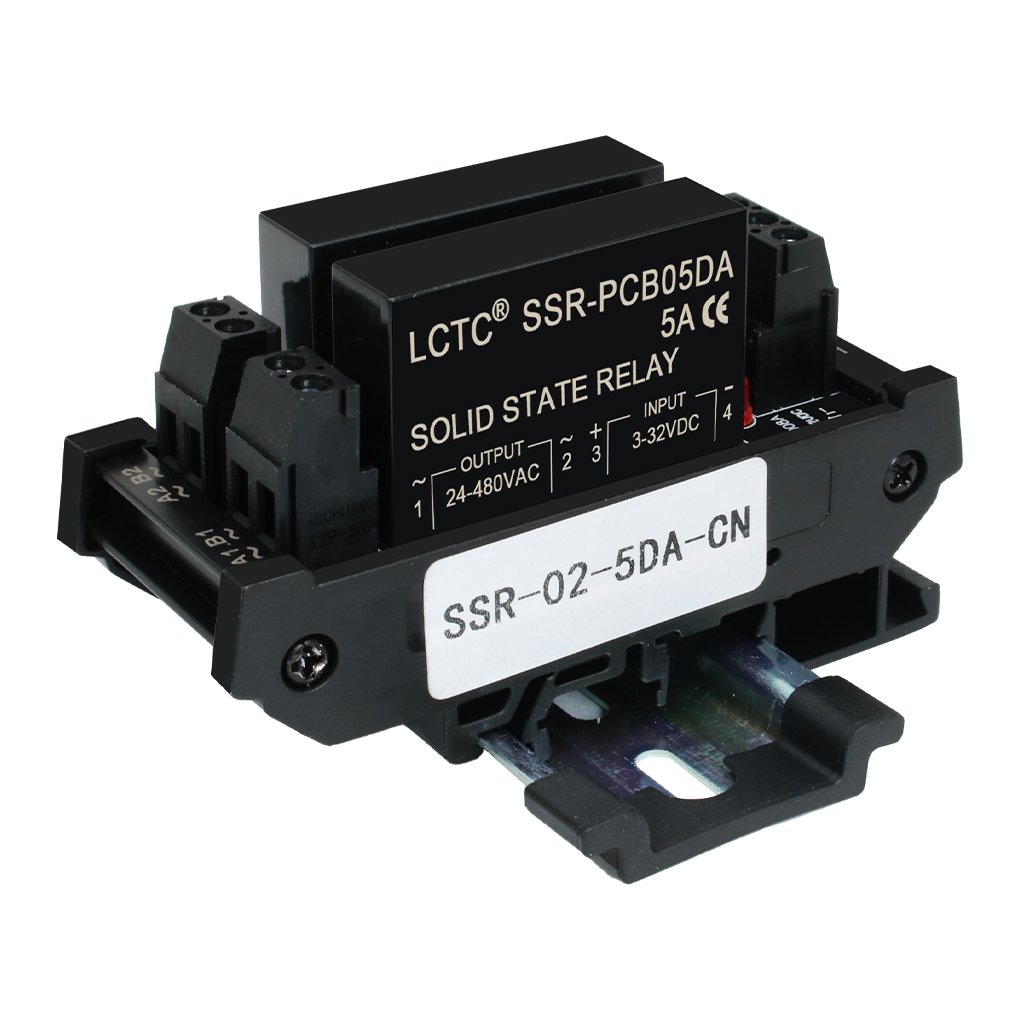
DIN mounting system provides a secure and space-efficient installation for various setups.
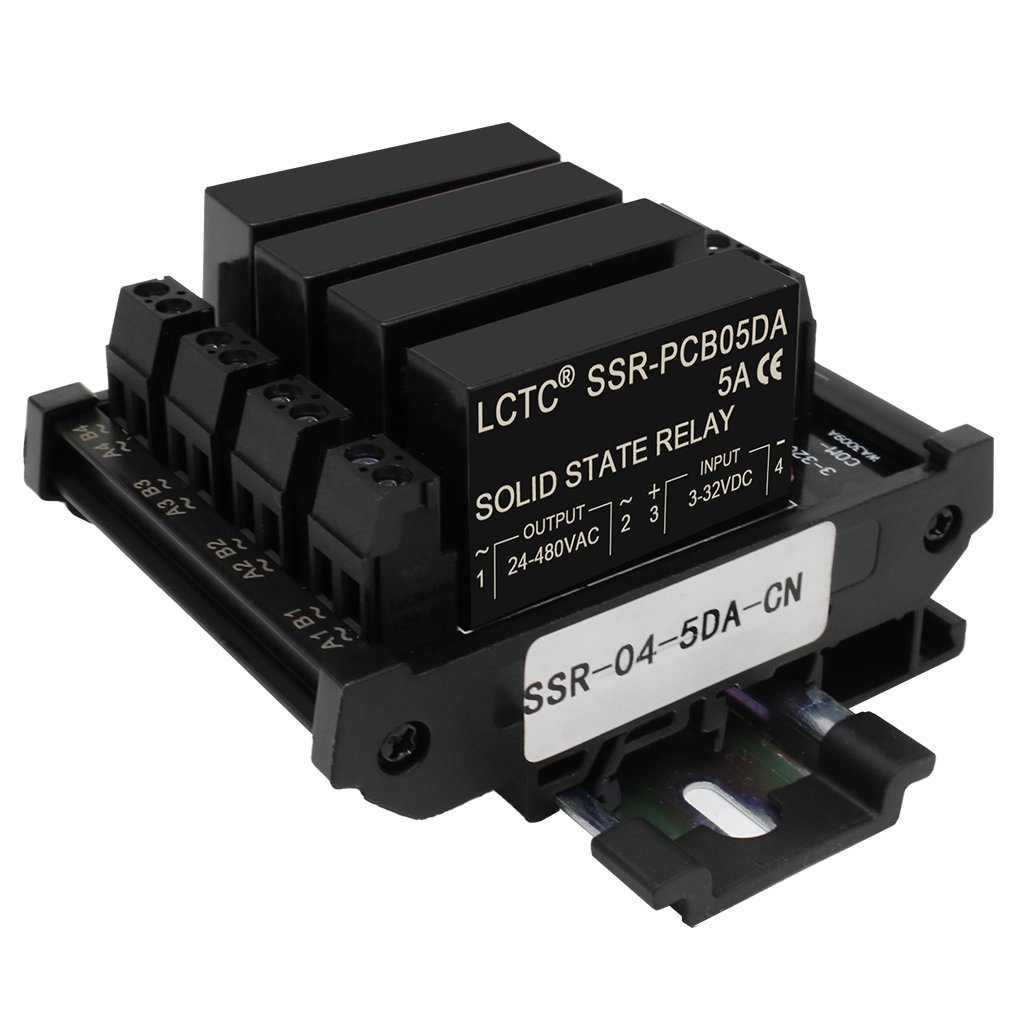
DIN mounting system provides a secure and space-efficient installation for various setups.
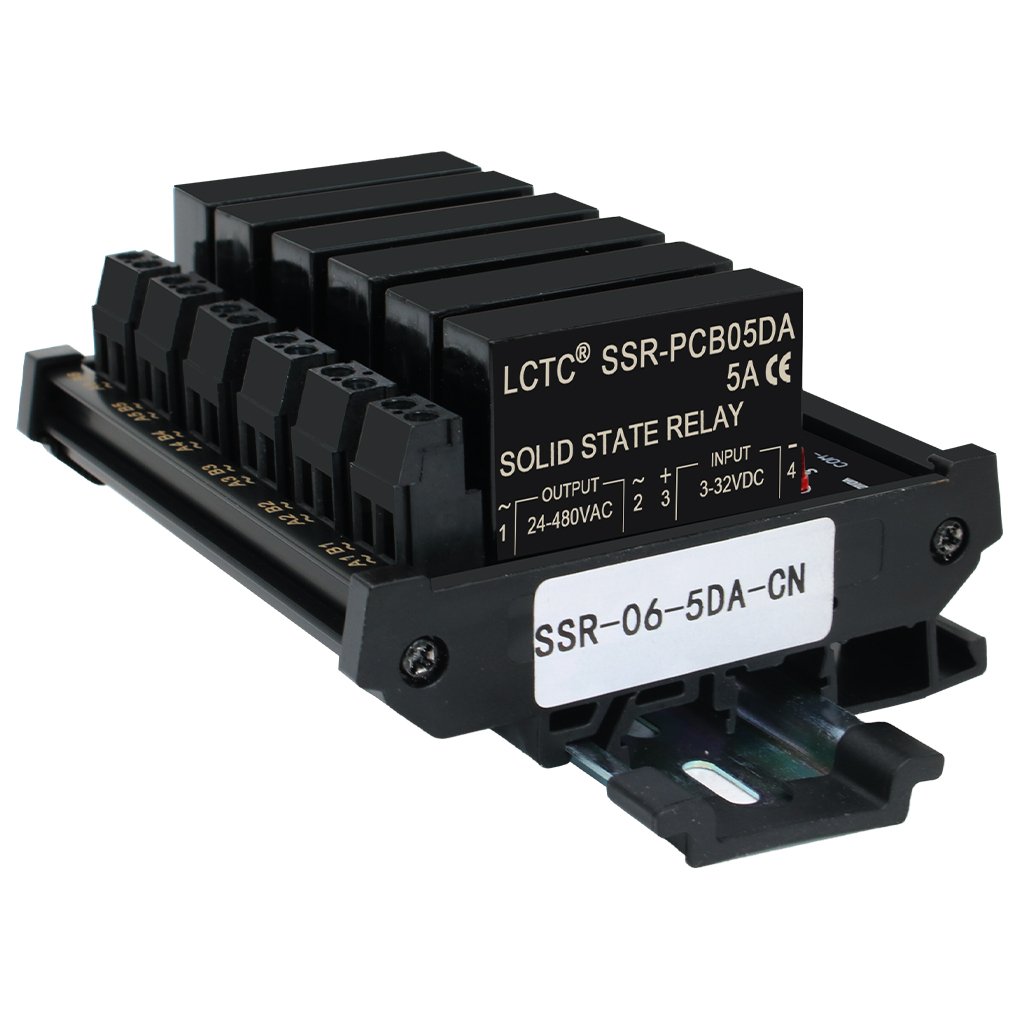
DIN mounting system provides a secure and space-efficient installation for various setups.
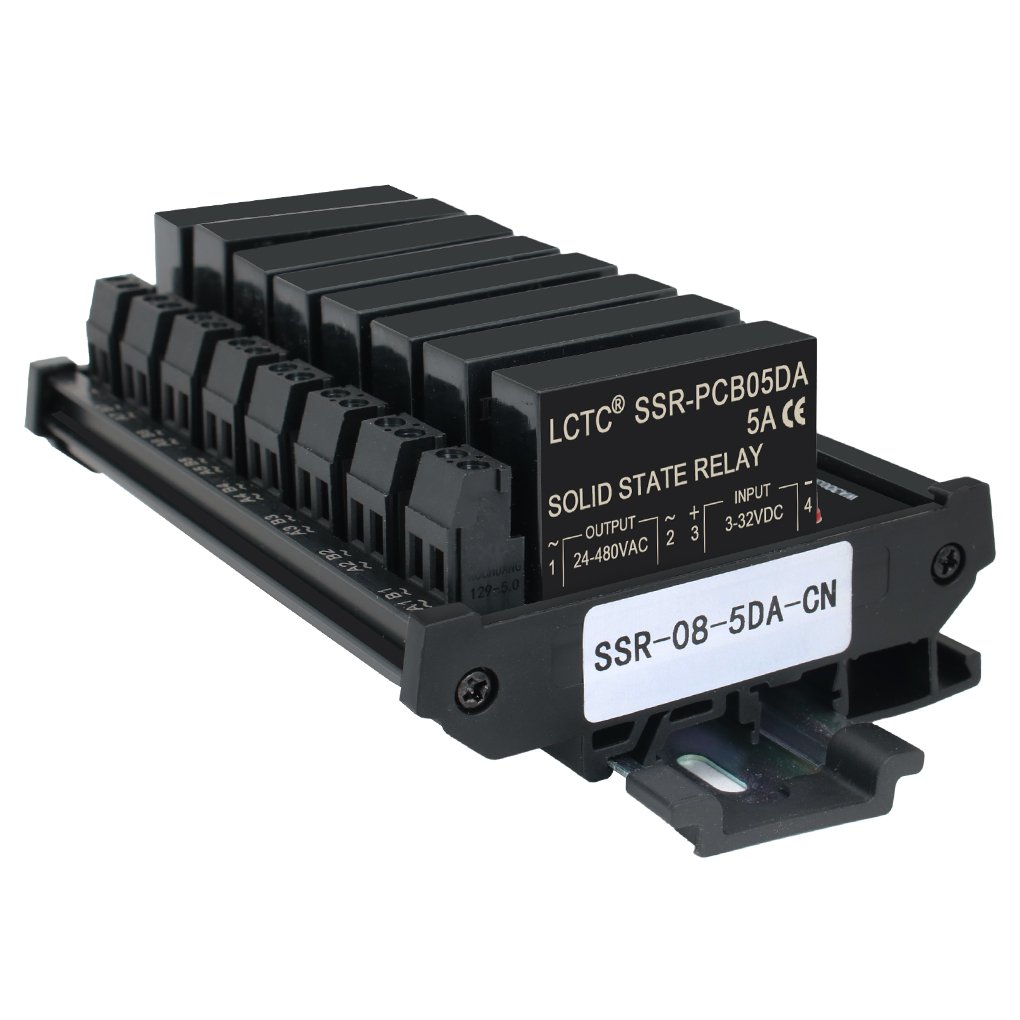
DIN mounting system provides a secure and space-efficient installation for various setups.
Features of LCTC Solid State Relay Modules
Thanks to their extensive advantages, solid state relay modules are ideally suited for optimizing layout and space utilization, as well as enhancing control efficiency in industrial applications.

Only a minimal input current is required to activate them; for example, the CN/CP solid state relay module requires only 5 A of input current.

It effectively provides electrical isolation between inputs and outputs, thereby enhancing the system’s operational safety and minimizing potential interference risks.

Compared to traditional mechanical relays, it features contactless operation and extremely low electromagnetic noise, ensuring quiet and stable performance for equipment sensitive to environmental conditions.

Fast switching performance and efficient operation ensure stable performance across a wide range of applications.
The Ultra-Thin Design Saves Even More Space
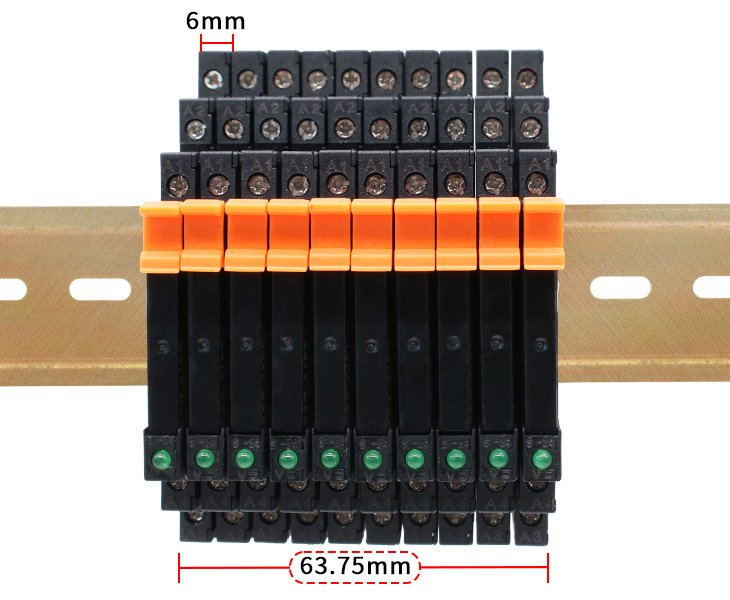
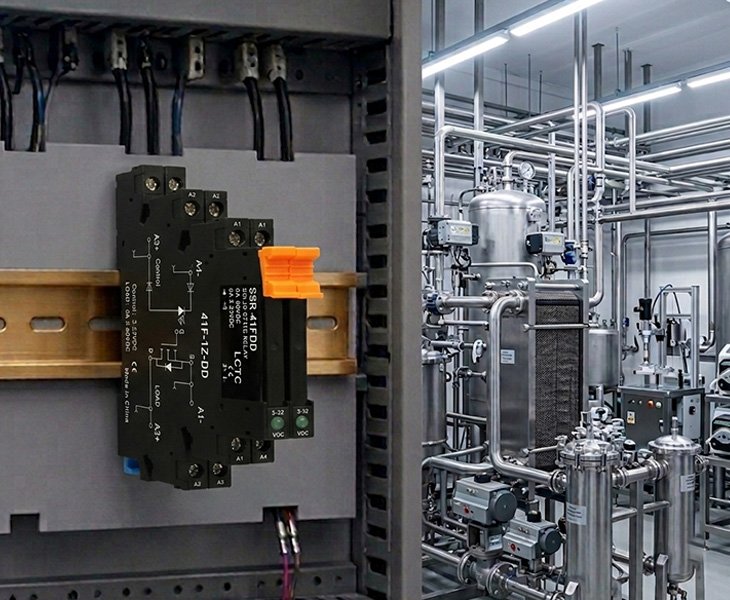
LCTC solid state relay modules are designed for applications with limited space, and their compact design is ideal for high-density installations. LCTC series includes the 41F series, which is only 6 mm thick, making it extremely suitable for use in confined spaces such as junction boxes and automation panels. This is an ideal choice for sectors with strict requirements regarding space constraints and neat cabling.
Modular Design for Easy Installation
One of the greatest advantages of the LCTC solid state relay module is its modular design. You can add or remove modules according to your specific needs, rather than adjusting the entire system. Simple installation and expansion simplify layout, facilitate maintenance and replacement, and significantly improve efficiency.
Solid State Relay Modules Resource Download
Welcome to Choose LCTC Solid State Relay Modules
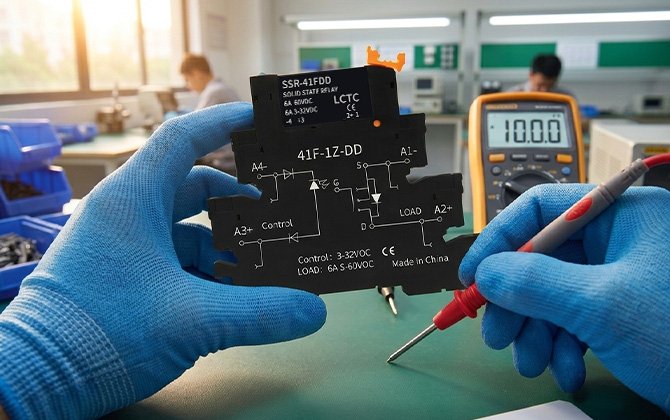

With years of experience in the production of electrical components and a constant focus on quality, LCTC offers compact and modular installations that meet the demands of modern industry. From product development to mass production, we have always had one goal in mind: to become a professional supplier of solid state relay modules for customers worldwide.
Application of Solid State Relay Modules
Solid state relay modules have a very broad range of applications, specifically covering sectors such as automation control, power regulation, and temperature control.
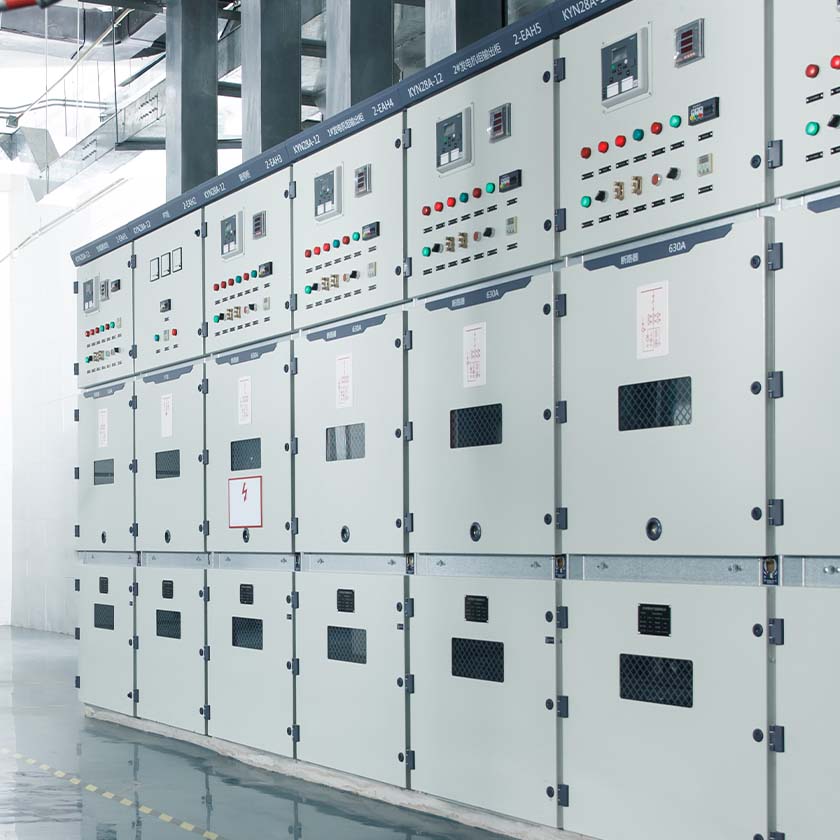
Thanks to its capabilities, such as continuous operation and stable control, the solid-state relay module is highly suitable for applications in the industrial automation sector, including equipment such as PLC control systems, automated assembly lines, and switchgear.
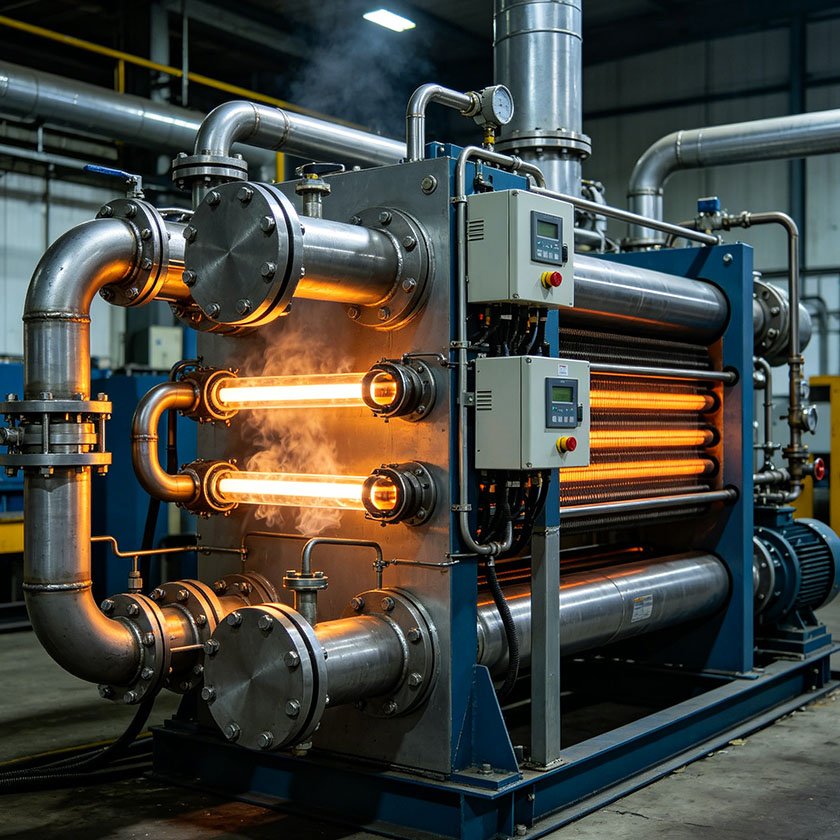
The solid state relay module features high-frequency switching capabilities, making it ideally suited for use in temperature control equipment, such as industrial ovens, electric heating devices, and drying apparatus.

Solid state relay modules remain stable and reliable, even in industrial environments with heavy loads, and are widely used in industrial production machinery, such as injection molding machines, pressure equipment, and pharmaceutical apparatus.

Solid state relays offer strong vibration resistance and high stability, making them widely used in traffic control systems, such as railway signaling systems, charging stations, and traffic management systems.

Testimonials
We have been using the LCTC CN/CP solid state relay modules in our PLC control system for five months now. Thanks to their compact design, we saved a significant amount of time during installation, and since then, they have been operating stably, without a single problem to date. During installation, we encountered a minor wiring issue; we consulted LCTC, and they responded to our questions very quickly.
—— Production Manager, Malaysia
I’ve just purchased the 41F smart relay socket and module. It’s unexpectedly lightweight and slim, and also a true space saver. During use, the indicator light clearly shows the operating status, significantly improving usability.
——Maintenance Engineer, Brazil
Common issues that may occur during installation include incorrect model selection, wiring errors, poor ventilation, and prolonged overloading. For questions regarding these aspects, please contact our customer service for technical support.
Yes. The LCTC solid state module features a modular design that can be configured to meet specific requirements; the option for mounting on a DIN rail facilitates easy installation and combined use.
What Causes Solid State Relay Modules to Overheat and How to Prevent It
Solid state relay modules are widely used in industrial environments; although it is completely normal for them to generate heat during operation, abnormal overheating can easily compromise the operational efficiency and safety of the equipment. Therefore, we need to understand why overheating occurs and how we can prevent it.
Why does It Overheat?
- Overloaded Company
When a solid state relay module operates continuously under voltage or load exceeding its rated capacity, the internal semiconductor components have limited tolerance and are sensitive to damage, which can lead to rapid temperature rise.
- Environment with Poor Heat Dissipation
This is one of the most common causes of overheating. When multiple solid-state relay modules are installed too close together, air cannot circulate properly, resulting in limited ventilation and delayed heat dissipation. This can easily lead to overheating.
- Incorrect Model Selection
Selecting a solid-state relay module that does not meet the actual parameters can easily lead to equipment overheating. Common errors include incorrect load, improper DC/AC type, or wrong voltage/current values.
How do You Solve These Problems?
- Select the Correct Type
The right choice is the first step in preventing overheating. Ensure that the load type, voltage, current, and AC/DC type of the solid-state relay module match the actual requirements. It is recommended to operate within a load range of 70%–80%.
- Improve the Installation Environment
When installing the solid-state relay module, ensure sufficient space to guarantee proper air circulation. Install ventilation openings for adequate airflow and turn on the cooling fan if necessary to accelerate air circulation.
- Reduce Prolonged Use Under High Load
Optimize control logic during operation, reduce unnecessary switching actions, and prevent prolonged continuous operation under full load. For critical industrial applications, temperature control systems and warning systems can be added.
In most cases, overheating of a solid-state relay module is caused by incorrect selection, poor installation environment, and overloading. By paying attention to these factors, the risk of overheating can be significantly reduced.
How Ultra-Thin Solid State Relay Modules Save Space in Control Panels
Why Space Optimization in Switchgear Is Crucial
As industrial automation becomes increasingly integrated, the internal space of switchgear is becoming extremely limited. By efficiently utilizing these spaces, cabling is better organized, and installation, troubleshooting, and maintenance become more efficient. It can also improve internal air circulation and reduce heat accumulation, thereby achieving better heat dissipation, enhancing efficiency, and extending the lifespan.
How to Achieve Space Optimization
Effective space optimization begins with selecting the right components, such as using ultra-thin solid state relay modules that can reduce installation space while ensuring reliable performance.
You can also divide the space into functional zones, maintain an organized wiring plan, and improve the efficiency of the layout.
In addition, using conductor rails also provides a way to optimally utilize space and enables more efficient adaptation for future installations, expansions, and reconfigurations.
However, keep in mind that you must not sacrifice heat loss during optimization. You need to reserve sufficient space for ventilation to ensure heat dissipation and improve performance.