
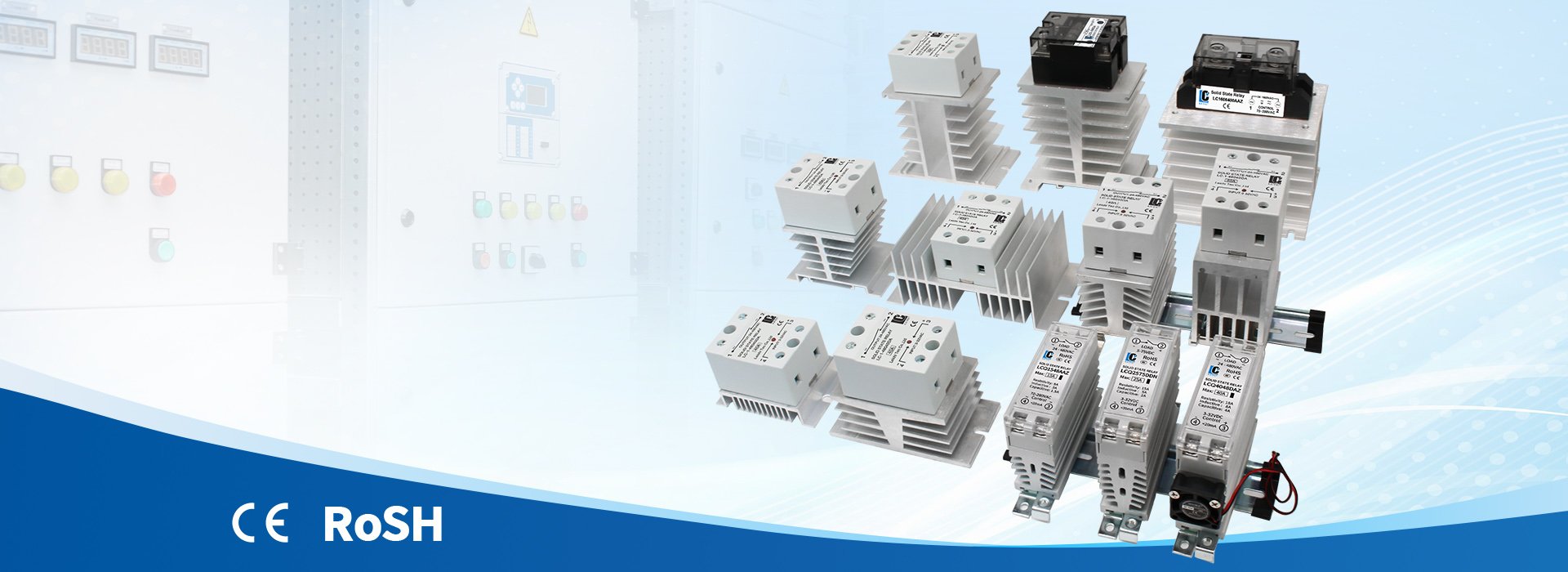
Single Phase Solid State Relay Manufacturer from China
Are you looking for a supplier of single-phase static relays? LCTC can support you in your next project. LCTC has nearly 10 years of experience in the design and production of single-phase static relays, single phase solid state relay generally cover a wide range of load currents and voltages. It can be widely used in automation systems, various heating systems, temperature control equipment and other applications.
LCTC applies a rigorous quality control and responds quickly to the needs of its customers. Whatever you need standard models or customized solutions, we can provide them with precision. If you are interested, you can send us a request and we will respond as soon as possible.
LCTC Product
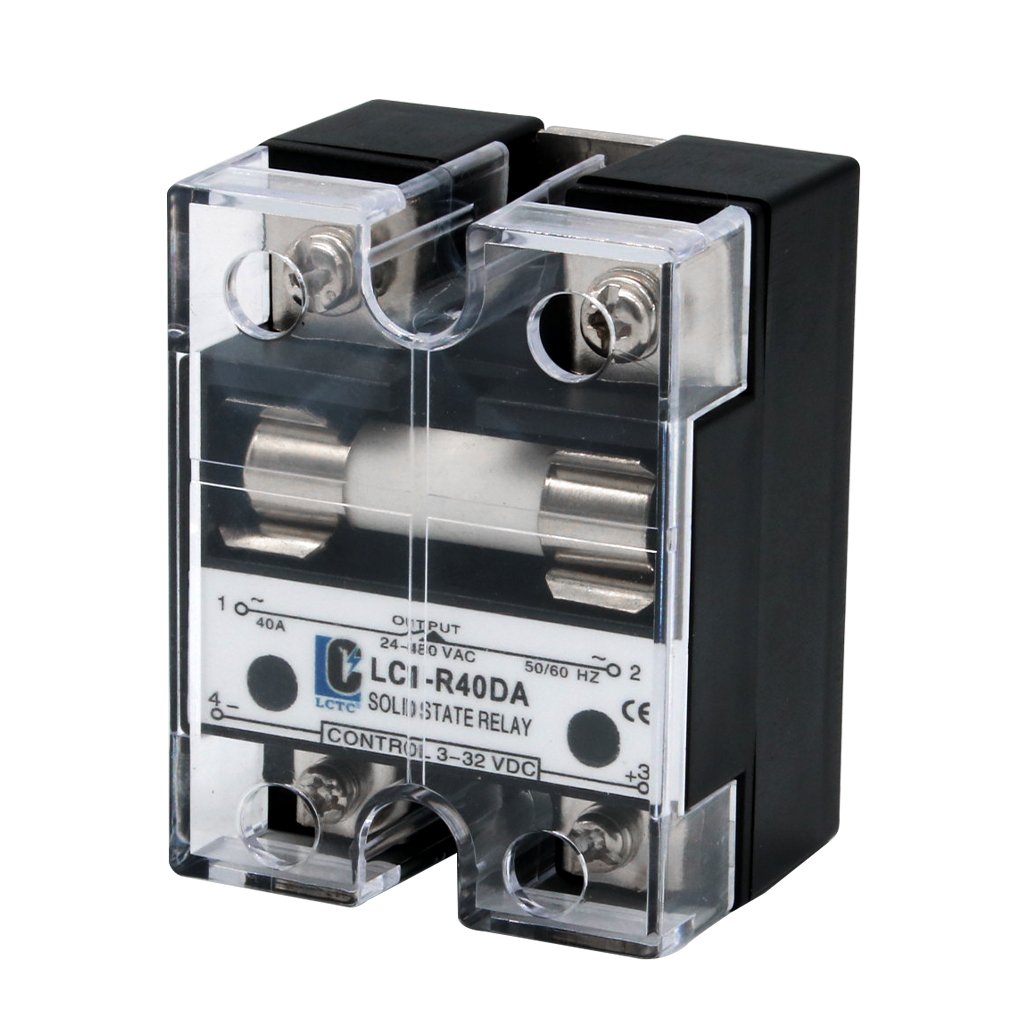
LCTC single phase solid state relay can be classified into three types according to their control methods.
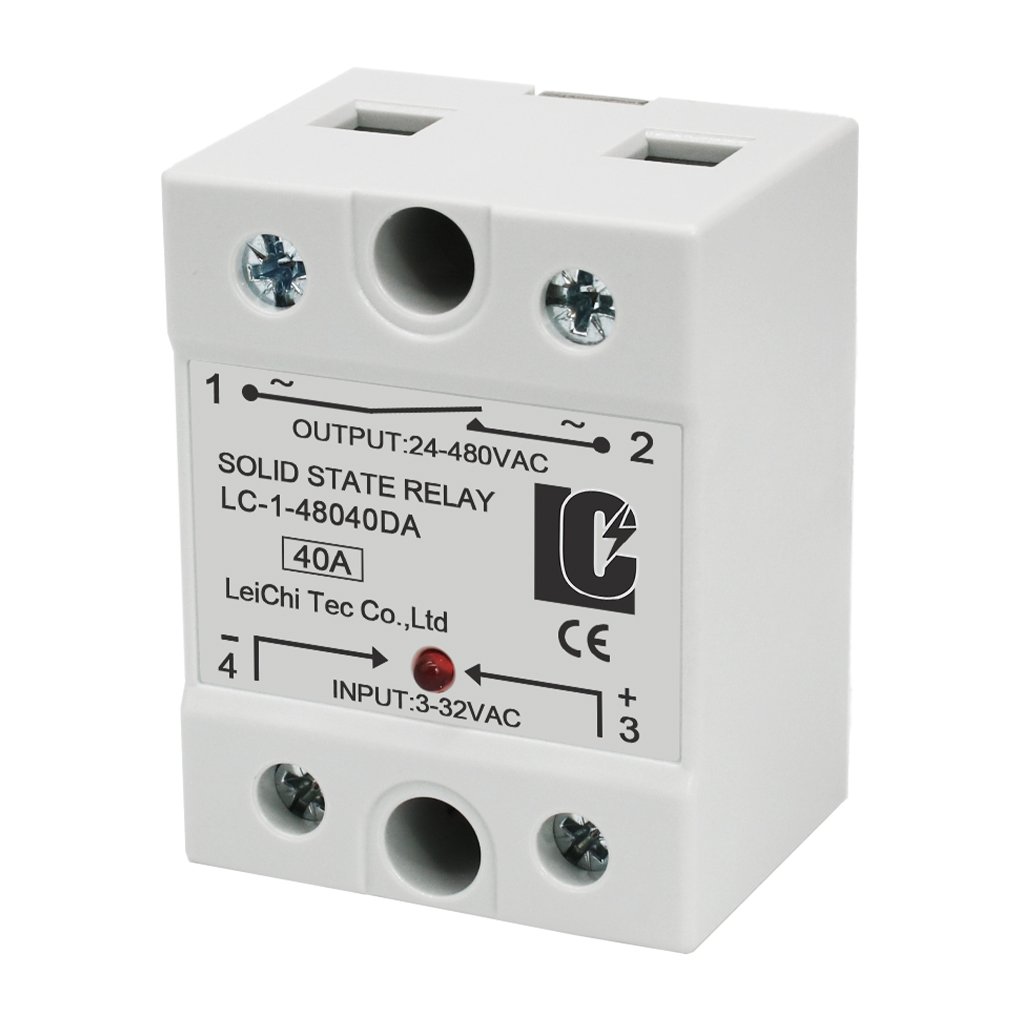
DA Single Phase Solid State Relay: DC Control AC LC-1-DA
AA Single Phase Solid State Relay: AC Control AC LC-1-AA
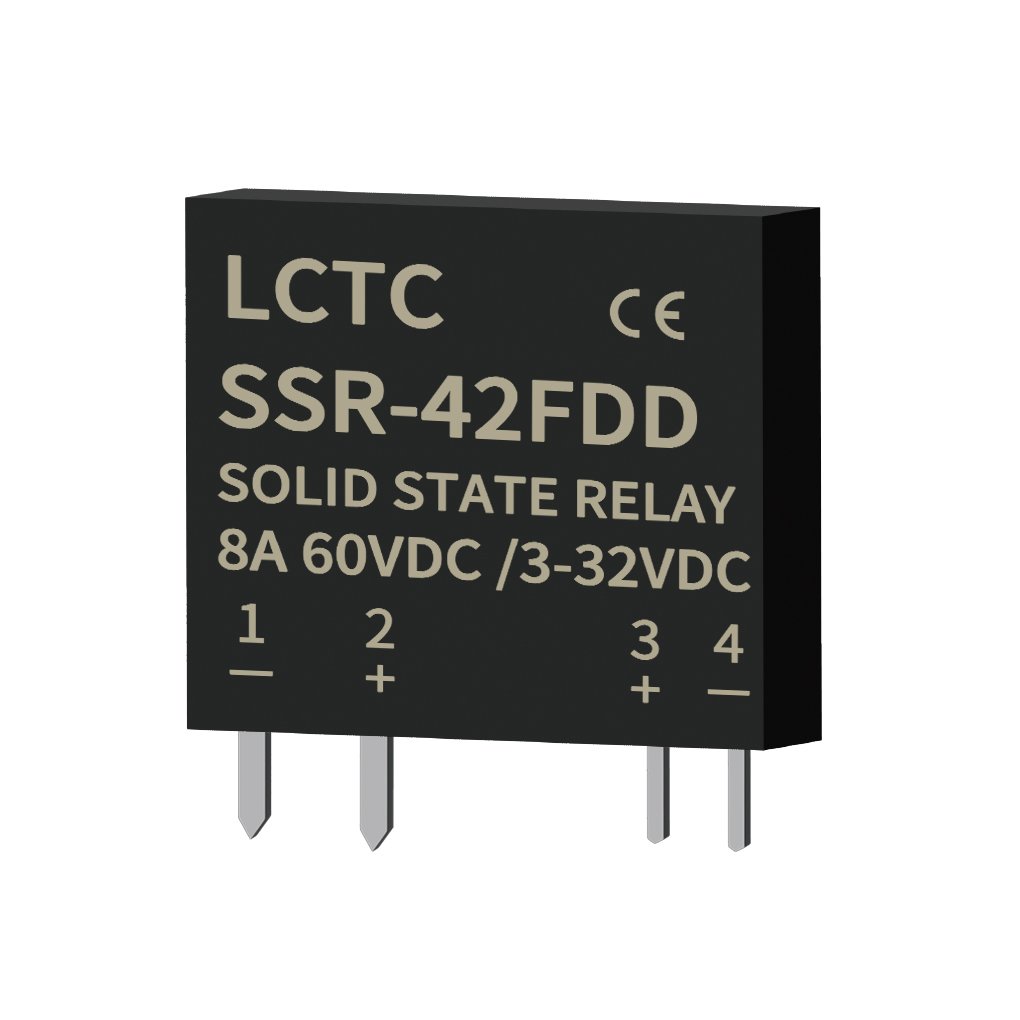
DD Single Phase Solid State Relay: DC Control DC LC-1-DD
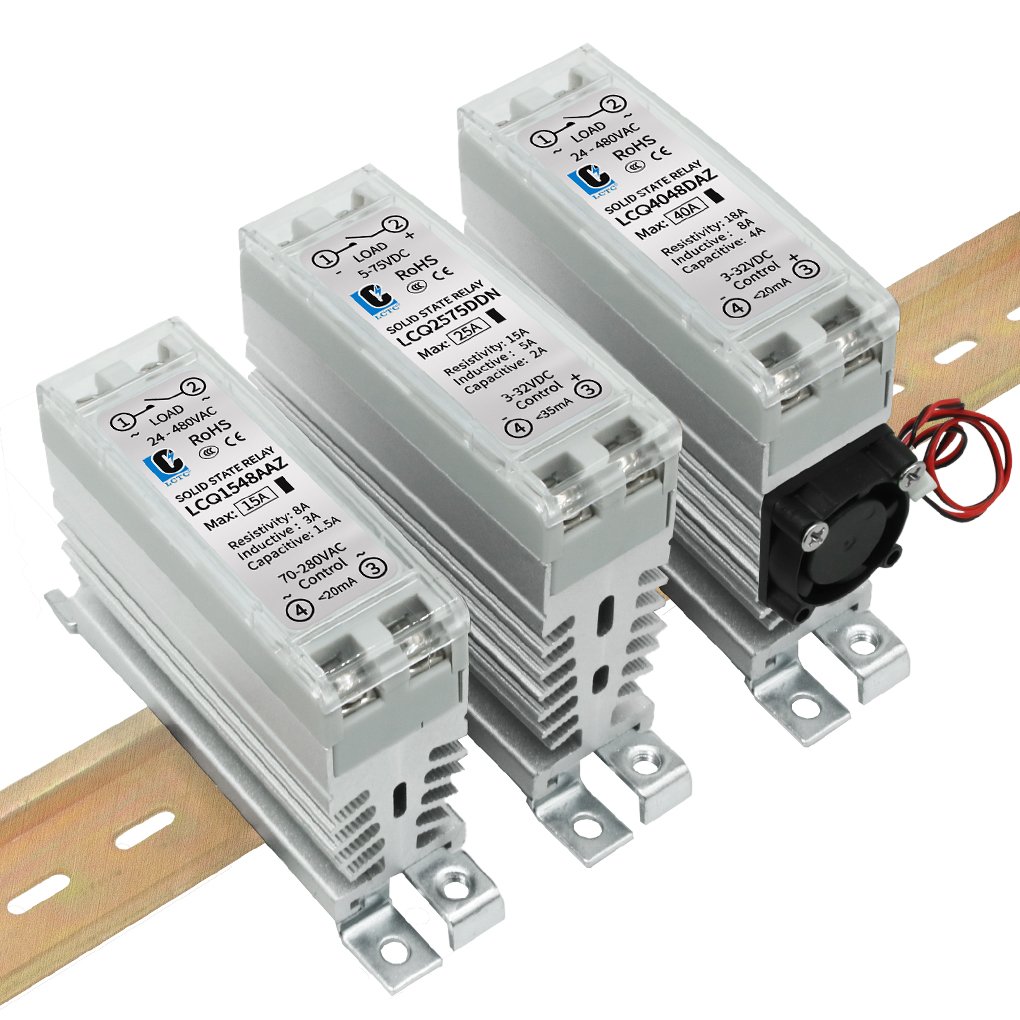
DA Solid-State Relay with Heat Sink: LCQ-48DAZ
AA Solid-State Relay with Heat Sink: LCQ-48AAZ
DD Solid-State Relay with Heat Sink: LCQ-48DDZ
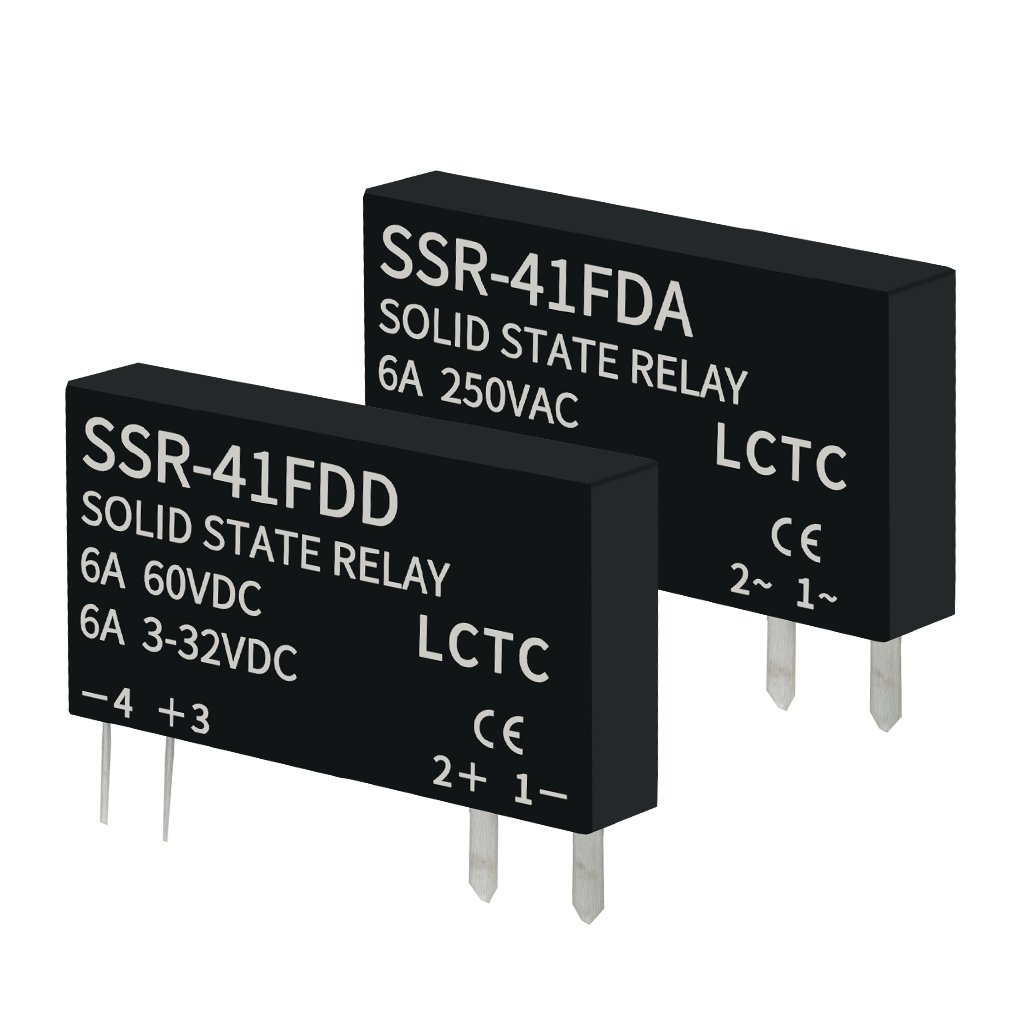
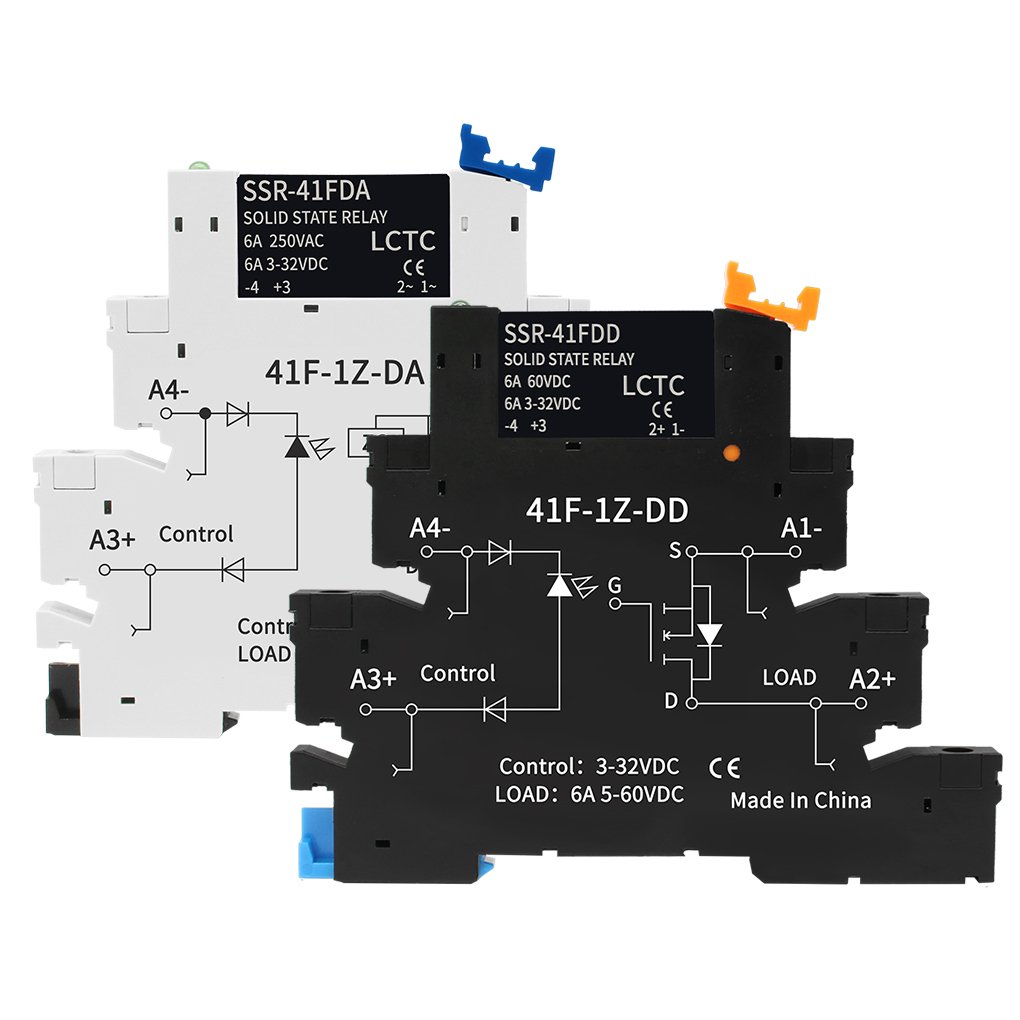
DA Interface Relay Modules : SSR-41FDA
DD Interface Relay Modules : SSR-41FDD
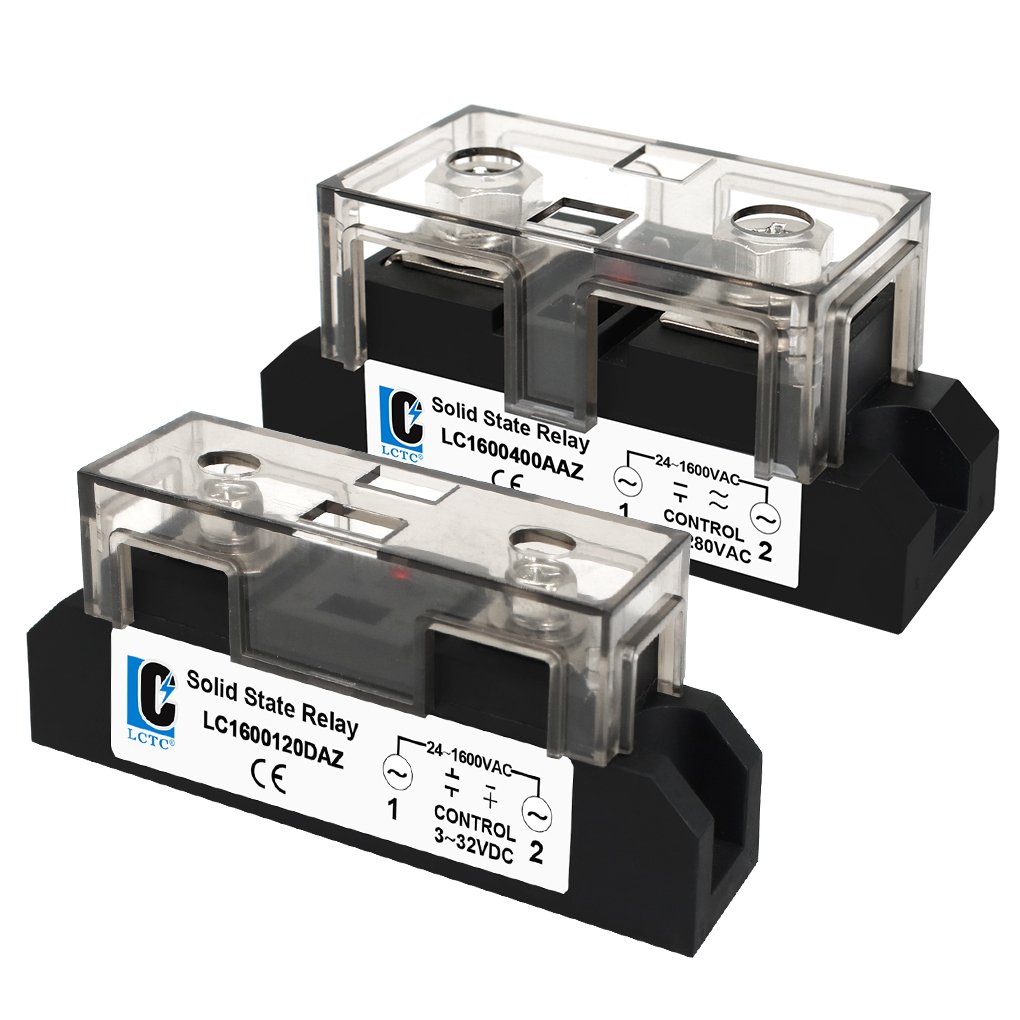
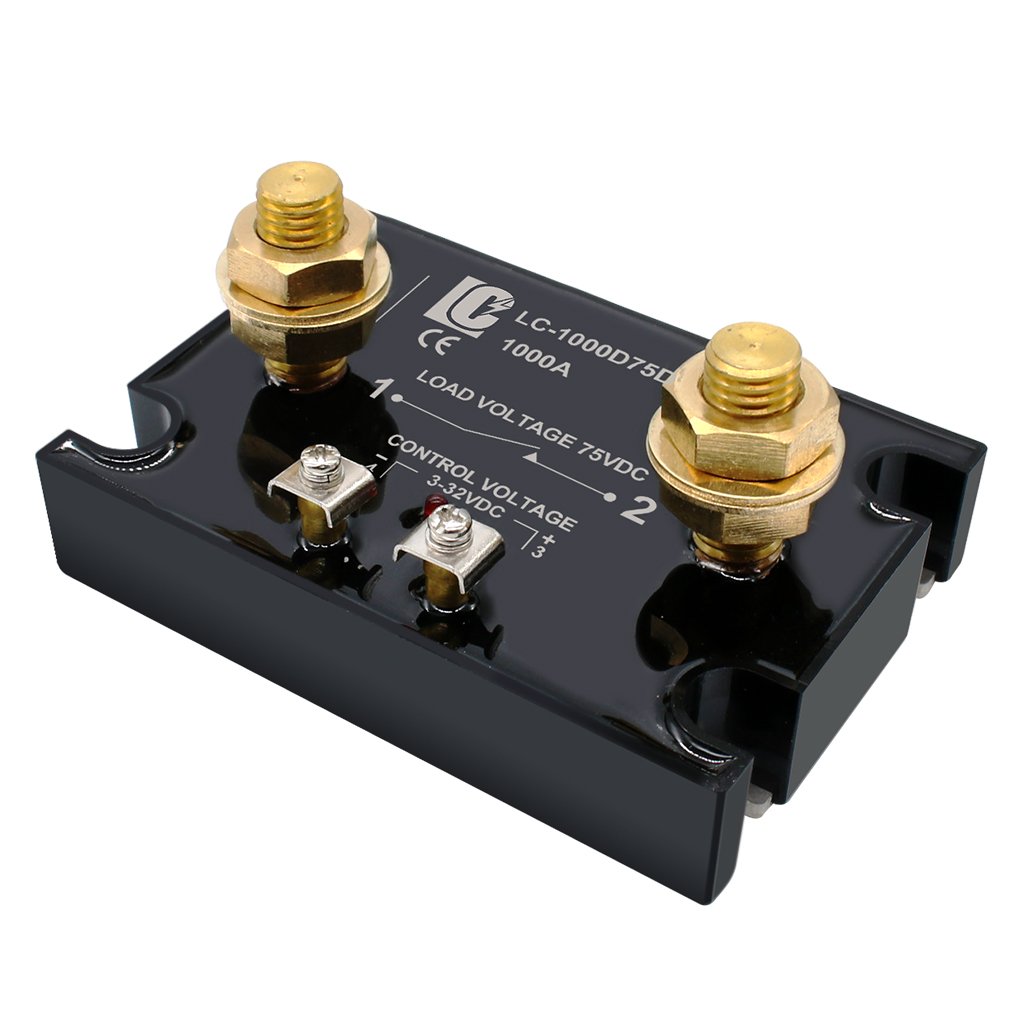
DA Industrial Solid State Relay: LC1600DAZ
AA Industrial Solid State Relay: LC1600AAZ
Feature of Product
The advantages of single phase solid state relay are very obvious.

It usually outperforms three-phase solid state relay in price. Besides, as it has no mechanical contact, there is no problem of contact burns and it does not require frequent replacement, resulting in reduced maintenance costs.

It can be connected directly to programmable controllers, temperature controllers and other devices, with intuitive control logic and easy debugging.

Compared to three-phase SSR, single phase solid state relay are more compact, take up less space and have a more flexible structural design.

The LCTC single-phase static relay LED light allows remote observation of its operating status, simplifying and speeding up monitoring and troubleshooting. Commissioning is also optimised.
Standardization Available Everywhere
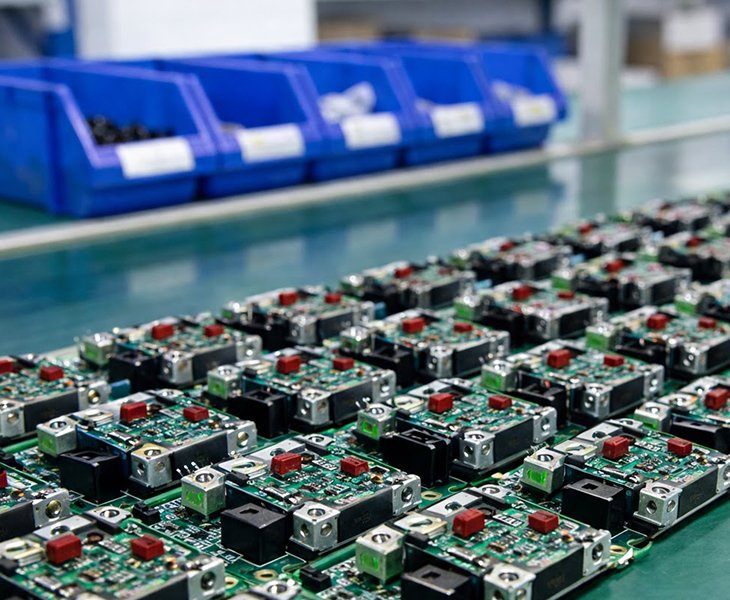
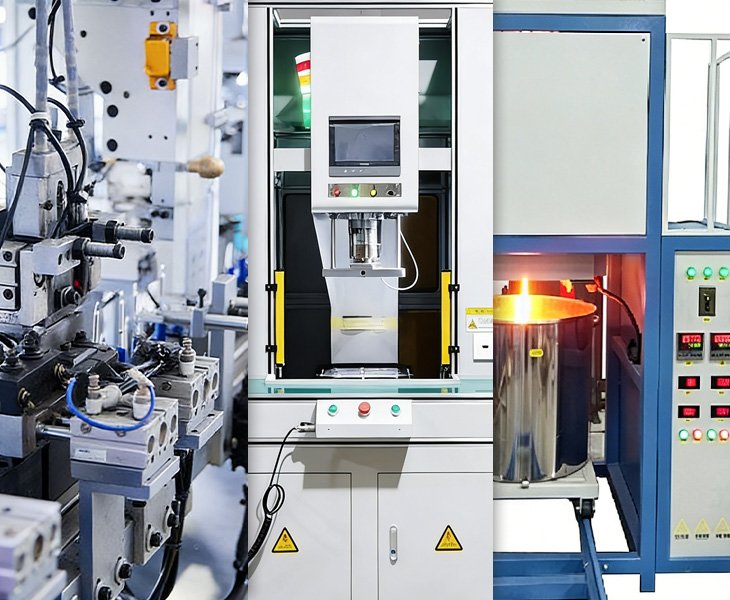
LCTC single phase solid state relays are highly compatible, widely used and have achieved a high degree of design standardization. LCTC products feature standardized housing, uniform mounting hole diameters, and input/output cabling methods that are broadly in line with international standards. Its scope of application covers almost all industries, thanks to a wide range of voltage and load adaptability, strong integration, and it can be directly integrated into modular equipment, automated production lines and other systems.
More Stable Operation Under High Load
LCTC offers single phase solid state relay with A current range from 10 A to 240 A and A charge voltage range from 24 V to 380 V. It has a wide range of current and voltage adaptability, a high load capacity on a single circuit and can be used without stress in some high-load equipment, you’ll find it in a wide range of applications, such as furnaces, hot presses and some processing equipment.

In my drying oven control system, I implemented this single-phase solid-state relay. Temperature regulation has become significantly more stable; compared to my previous mechanical relay, switching is smoother and produces less noise. I’ve been using it for seven months now, and so far, it hasn’t experienced a single failure.
—— Production Manager, Malaysia
My packaging machine operates 24 hours a day and undergoes frequent switching cycles. Since switching to the LCTC single-phase solid-state relay, maintenance frequency has decreased; even with frequent switching, no failures have occurred and performance remains consistently stable.
——Maintenance Engineer, Brazil
You must take into account the type of load, voltage and load current, control voltage, and other requirements.
Ensure that the output voltage of the single-phase SSR matches the load voltage, that the rated current is higher than the load’s operating current, and that there is sufficient margin to handle continuous operation or surge currents.
In the case of high currents or continuous operation, heat dissipation must be taken into account.
First, connect the control input terminals to the control signal source and the series output terminals to the single-phase AC load.
Before making the connection, verify that the control voltage of the single-phase SSR is compatible with the output signal (e.g., PLC, PID, etc.), and ensure that the load voltage and current fall within the nominal limits of the single-phase SSR.
Yes, LCTC’s single-phase SSR is ideal for heating control, especially in equipment requiring frequent on/off cycles and precise temperature regulation, such as industrial ovens, heaters, or heating elements in temperature control systems.
Yes, in fact, the LCTC SSR is the most common exit option in PID systems.
The PID control system sends a control signal to the single-phase SSR, which in turn controls the heater’s on and off based on that signal.
However, it is essential to ensure that the SSR output matches that of the PID system, and in the case of continuous or high-intensity heating applications, appropriate heat dissipation measures must be incorporated to guarantee stable operation.
In some cases, a heat sink is necessary, especially in environments with high loads or continuous operation and limited ventilation, as single-phase SSRs can generate heat. Excessive temperature may affect their reliability and lifespan, so they should be used together with a heat sink.
In situations where the current intensity is low or usage is intermittent, a heat sink is not necessary; proper ventilation is sufficient.
Zero-cross switching is a switching method in which a single phase SSR turns on when the AC voltage waveform reaches or approaches its zero-crossing point.
This method helps reduce electrical noise, electromagnetic interference, and voltage transients, among other issues, and is suitable for resistive loads requiring frequent on/off cycles, such as ovens, heaters, and temperature control devices.
LCTC single phase SSR uses semiconductor components to electronically switch electrical charge, offering fast, silent, and contactless switching, making it suitable for equipment requiring frequent switching.
The mechanical relay uses physical contacts for switching, giving it a greater advantage in situations where the switching frequency is lower, and making it more suitable for applications requiring isolation through physical contacts.
The LCTC single-phase SSR is used to connect and disconnect the load, and is suitable for frequent switching as well as applications involving proportional time control.
On its part, the proportional voltage regulator continuously adjusts the output voltage or power according to the control signal, making it suitable for smooth and continuous power regulation.
It is possible that, within a very short period of time, a large current and heat were generated, causing damage to the semiconductor components of the single-phase SSR and thus triggering a short circuit.
To reduce risks and minimize the occurrence of short circuits, use a properly rated fast-acting semiconductor fuse or other suitable overcurrent protection, select an SSR with an appropriate current rating, and ensure adequate heat dissipation.
In the case of inductive loads, transient protection measures must also be taken into account.
The main difference between a single phase solid state and a three-phase is the applied power and structure of the system. A single-phase system controls a single power supply, while a three-phase system can control three power supply at the same time.
Generally speaking, Current of Equipment/Ratio = Current of SSR. Different loads have different current specifications:
For Resistive load: Current of SSR =2 x working current of load
For Inductive load: Current of SSR =6 x working current of load
For Capacitive load: Current of SSR =10 x working current of load
Yes, if needed, we can manufacture custom single-phase solid-state relays mounted on DIN rails with integrated heat sinks. Let us know your load specifications, and we’ll recommend the most suitable model for you.