Why Choose LCTC Programmable Temperature Controller
- Universal input for maximum compatibility
- MAX 50 Segments Programmable Temperature Profiles
- high brightness backlight screen and wide viewing angle
- Supports RS485 communication
- Supports dual alarm systems
Programmable Temperature Controller 50-Step PID Control
LCTC is a manufacturer and supplier specializing in electrical components; we provide programmable temperature controllers known for their precise temperature regulation and fast response times, and are committed to delivering intelligent solutions for temperature control.
With over ten years of industry experience, we focus on developing a wide range of products that enable precise temperature control under harsh industrial conditions. We understand that different industries and applications have specific requirements for temperature controllers. Therefore, the LCTC temperature controller can be flexibly configured with various input and output methods and integrated into different automation systems. For applications such as industrial furnaces, laboratory equipment, and automated food processing systems, the temperature controller LCTC reduces temperature-related defects and minimizes human operational errors, significantly improving production efficiency and product consistency.
If you are interested in our product, please send us your inquiry to discuss your project requirements, request technical specifications, or receive a competitive quotation.
Feature of Programmable Temperature Controller
The LCTC programmable temperature controller offers numerous advantages and is designed to provide you with reliable temperature control.

The LCTC programmable temperature controller uses PID algorithms and programmed control to continuously monitor temperature and automatically calculate setpoints. It adjusts the temperature in real time according to a preset program, resulting in higher stability, reduced fluctuations, and greater precision.

It is designed for use with standard-sized installations, making replacement and upgrades easy without requiring structural modifications to the device; parameter configuration is also very simple.

This supports a universal input; input types can be switched directly via the menu without replacing the controller, making operation more convenient.

The LCTC programmable temperature controller supports not only a wide range of analog signal inputs, but also enables the adaptation of analog signals to the specific requirements of customer devices or OEM manufacturers.
Up to 50-Step Programmable Control Increases Process Flexibility
This is one of the key differences between a programmable temperature controller and a standard model, as well as a decisive competitive advantage. The LCTC temperature controller can automatically execute up to 50 consecutive temperature control steps based on a preset program. Each step including heating, holding, and cooling, can be individually configured for automatic operation, eliminating the need for repeated manual parameter adjustments and enhancing process flexibility.
Users can also create complex temperature profiles tailored to specific products or production requirements, enabling sophisticated heating, holding, and cooling curves without the need for external PLC programming. This not only reduces system costs and simplifies troubleshooting but also minimizes manual interventions, thereby lowering the risk of human error, while ensuring consistent product processing and improving production efficiency.
High-Visibility LCD Display for Easier Reading
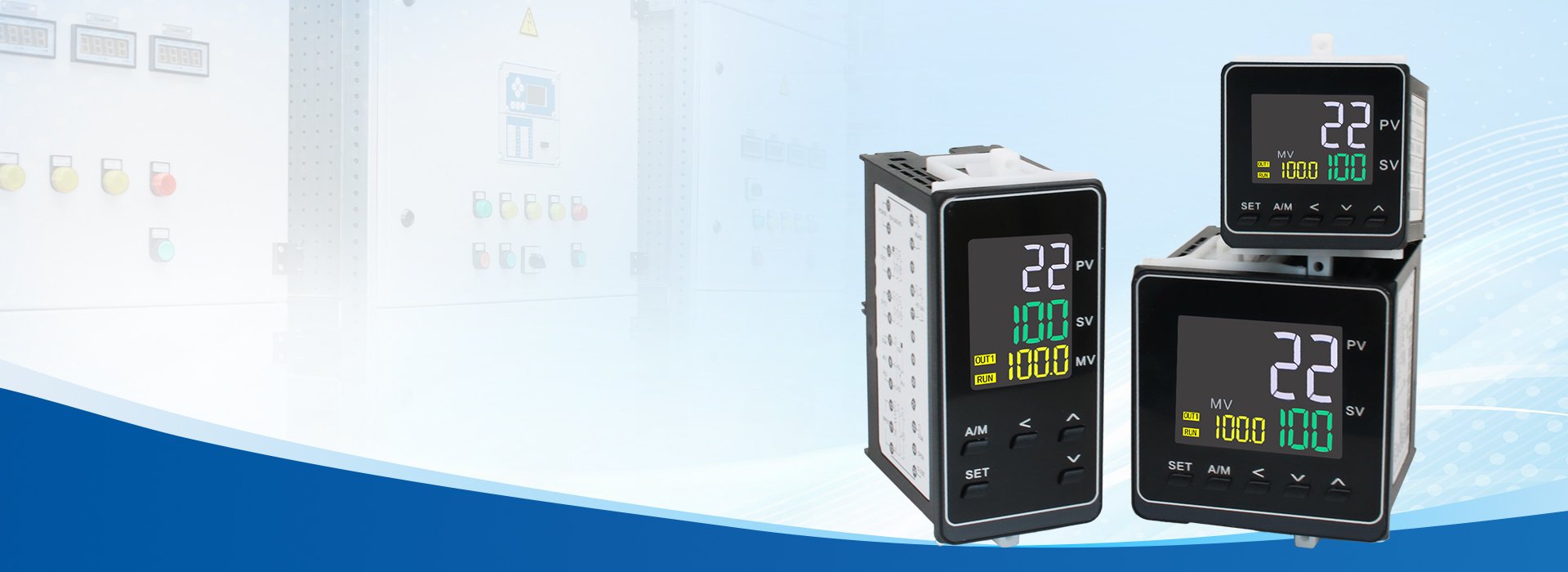
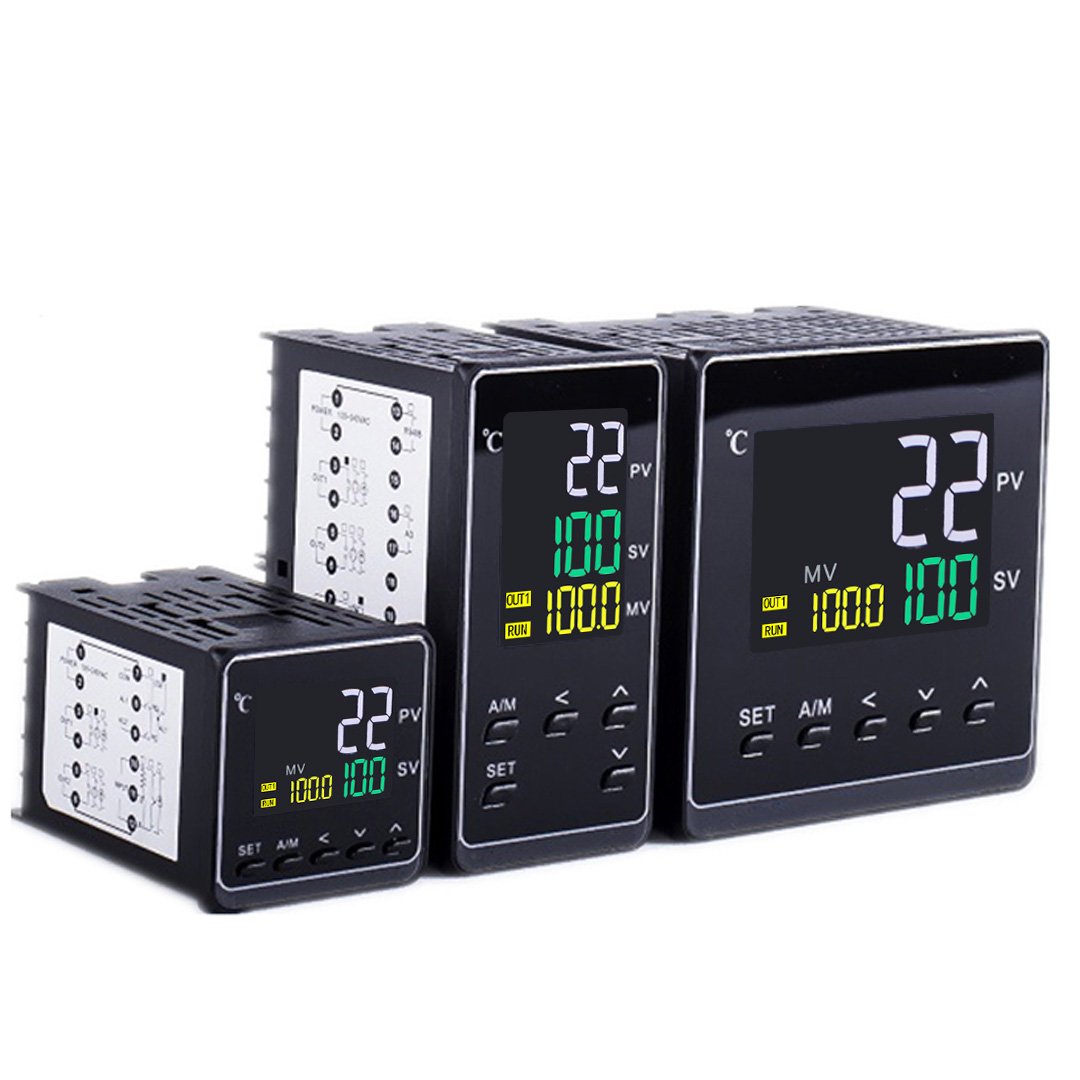
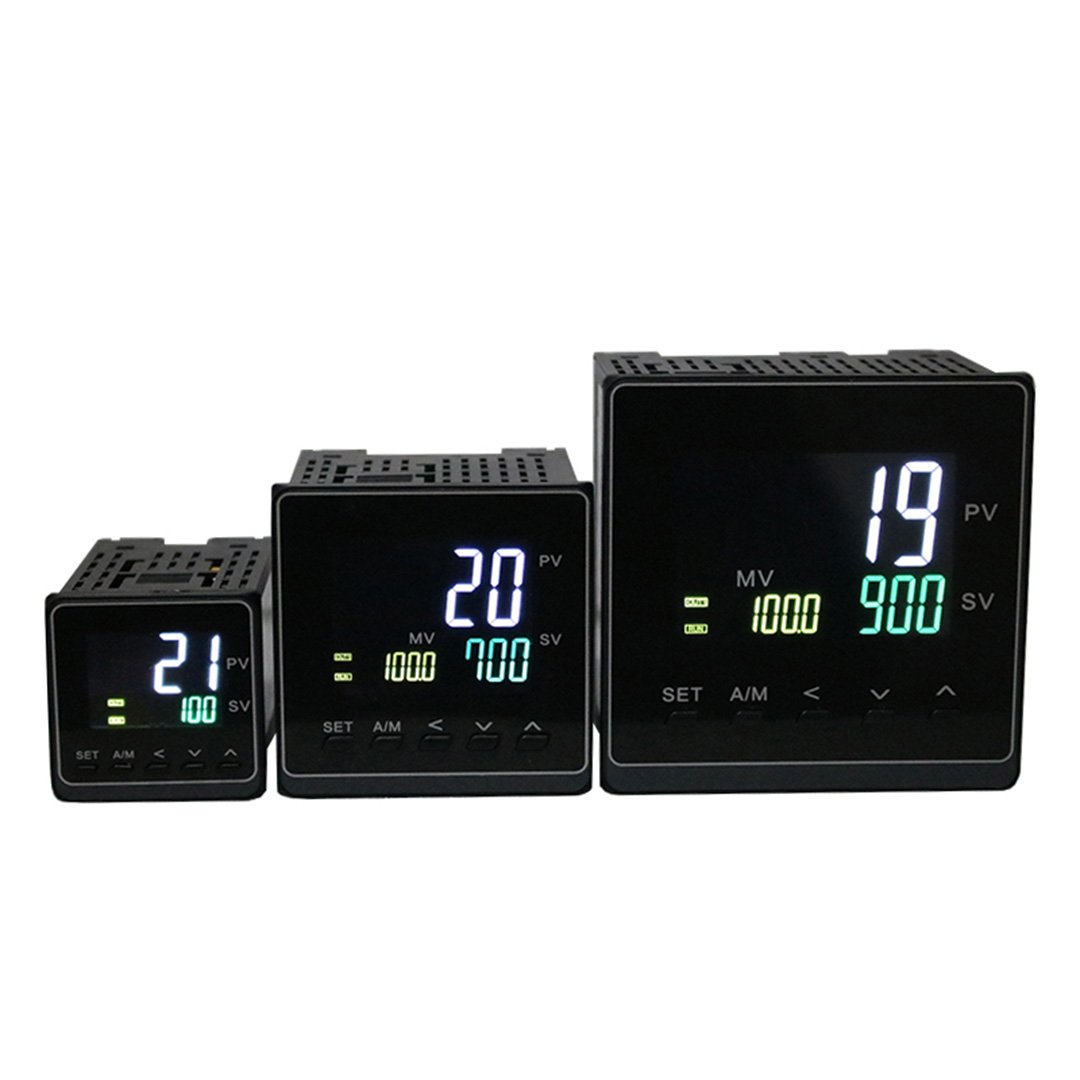
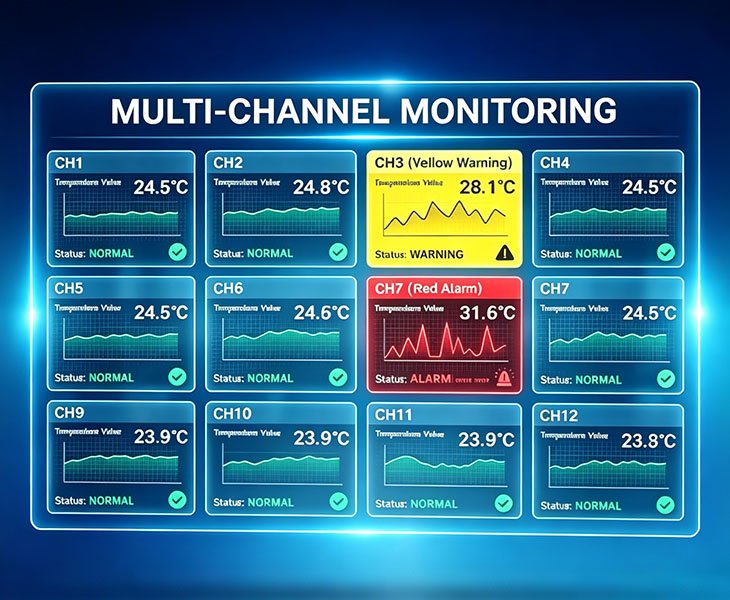
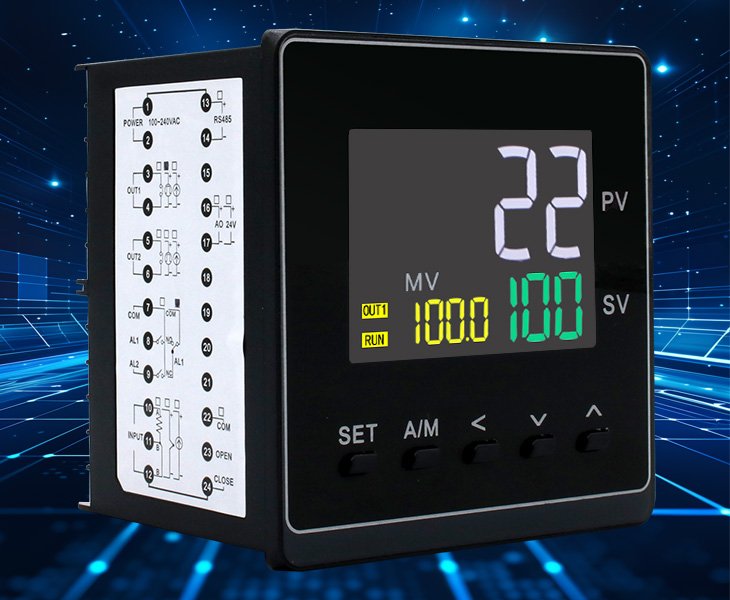
The LCTC programmable temperature controller features a large, backlit LCD display with high brightness and a wide viewing angle, ensuring clear and intuitive monitoring of data in a variety of environments. In addition, the large LCD screen simultaneously displays information such as PV, SV, alarm status, and operating condition, enabling operators to quickly and accurately gather more data and thereby improve operational efficiency.
The LCTC temperature controller also offers excellent readability in environments such as poorly lit workshops, switchgear enclosures, and production lines. The wide viewing angle ensures clear visibility of data from multiple perspectives, a feature particularly important in environments where limited installation space prevents a direct front view of the control unit.
Programmable Temperature Controller Resource Download
Industrial Programmable Temperature Controller Manufacturer
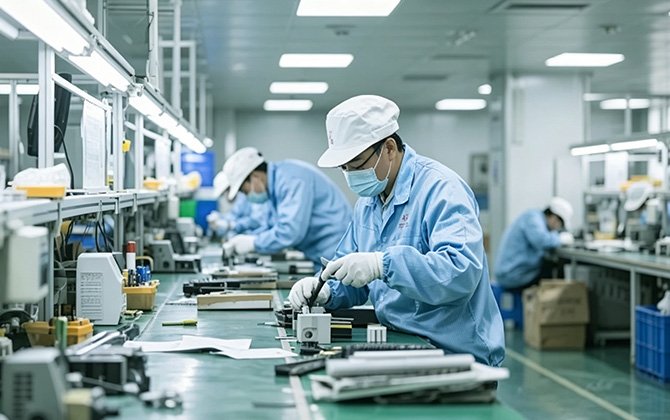
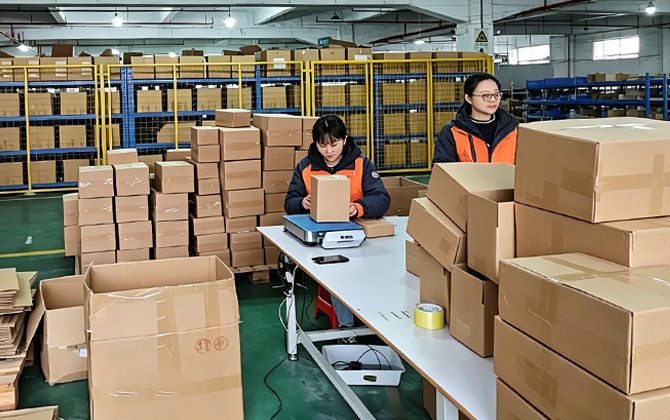
As an experienced provider of programmable temperature controllers, we offer not only high-quality products but also reliable service. LCTC provides OEM/ODM customization services, as well as professional support before and after purchase, assistance with model selection, and technical support. LCTC remains committed to its mission of serving international customers, maintaining long-term, friendly partnerships, and providing reliable temperature control solutions to an ever-growing customer base.
Application of Programmable Temperature Controller
Thanks to features such as up to 50 program segments, PID control, etc., the LCTC panel mount temperature controller is suitable for a wide range of industries and application scenarios.

The LCTC programmable temperature controller features up to 50 programmable steps and PID control, ensuring stable regulation of multi-stage processes and the automatic execution of complex heating and cooling cycles. It is ideally suited for heat treatment applications requiring precise control of heating, holding, and cooling phases. Typical equipment includes heat treatment furnaces, annealing furnaces, tempering furnaces, sintering furnaces, vacuum furnaces.
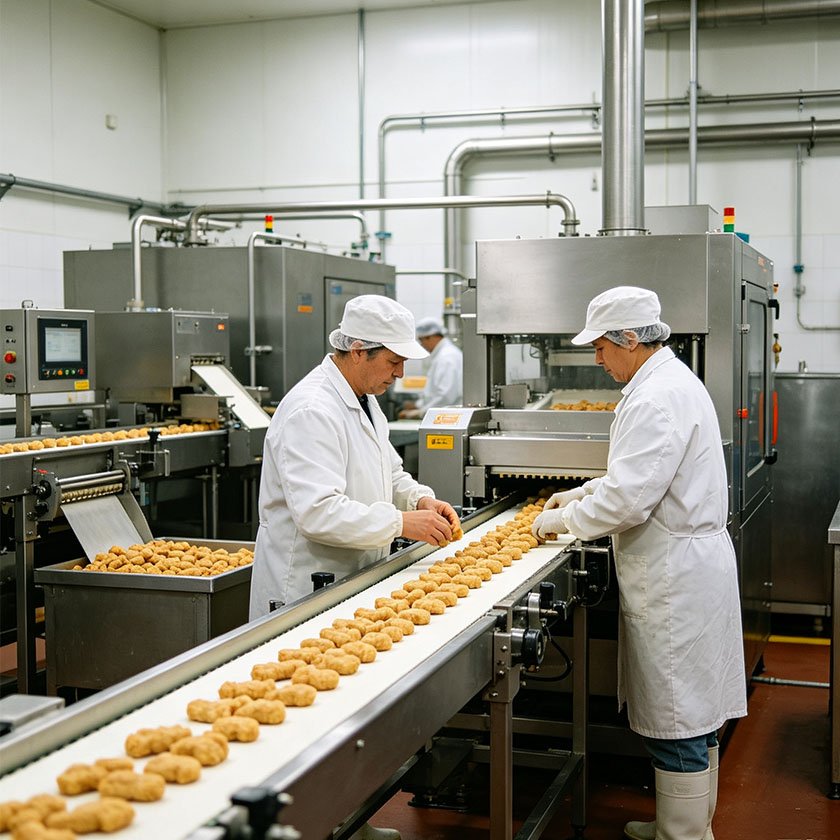
The LCTC programmable temperature controller features precise PID temperature control, programmable heating profiles, and a large, backlit LCD display for easy operation. It is ideally suited for industrial ovens and drying applications requiring stable temperature maintenance throughout the entire production cycle. Typical equipment includes drying ovens, baking ovens, curing ovens, powder coating ovens, industrial dryers. Typical equipment includes plastic extruders, injection molding machines, blow molding machines, hot runner systems.
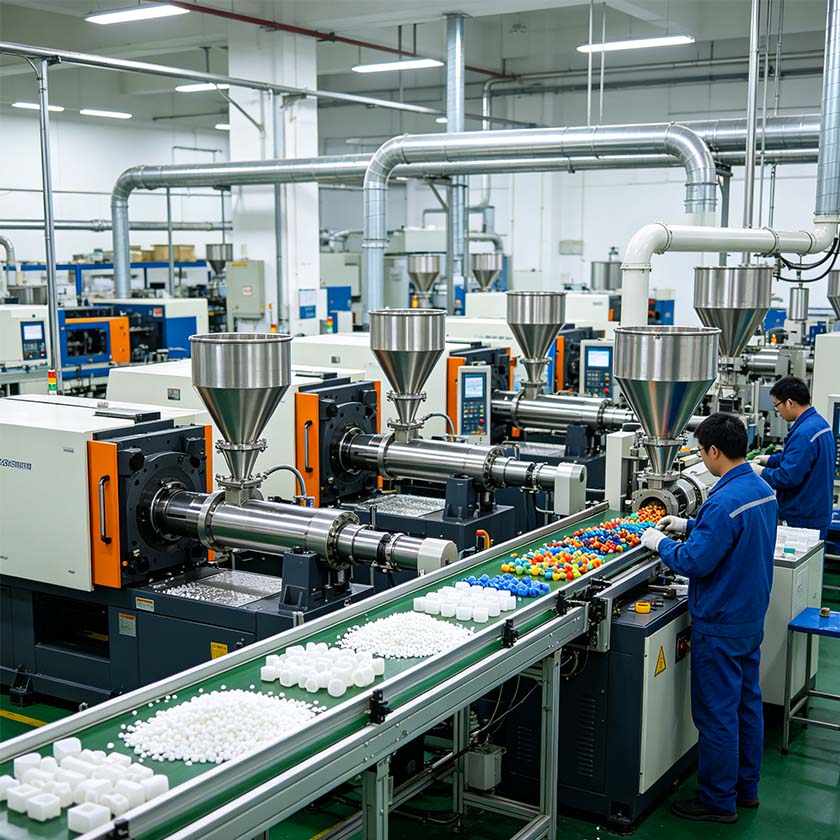
The LCTC programmable temperature controller supports various inputs, such as thermocouples and RTDs as well as multiple outputs, including SSRs and relays. Thanks to its programmability, which ensures precise temperature control across different heating zones, it is ideally suited for the requirements of stable temperature regulation in plastic extrusion and injection molding within the plastics industry. Typical equipment includes plastic extruders, injection molding machines, blow molding machines, hot runner systems.

The programmable temperature controller LCTC enables precise temperature profile settings for laboratory testing procedures through multi-stage programmable control, while PID regulation ensures reproducibility of test conditions. Typical equipment includes laboratory furnaces incubators, environmental chambers, drying ovens, testing equipment.
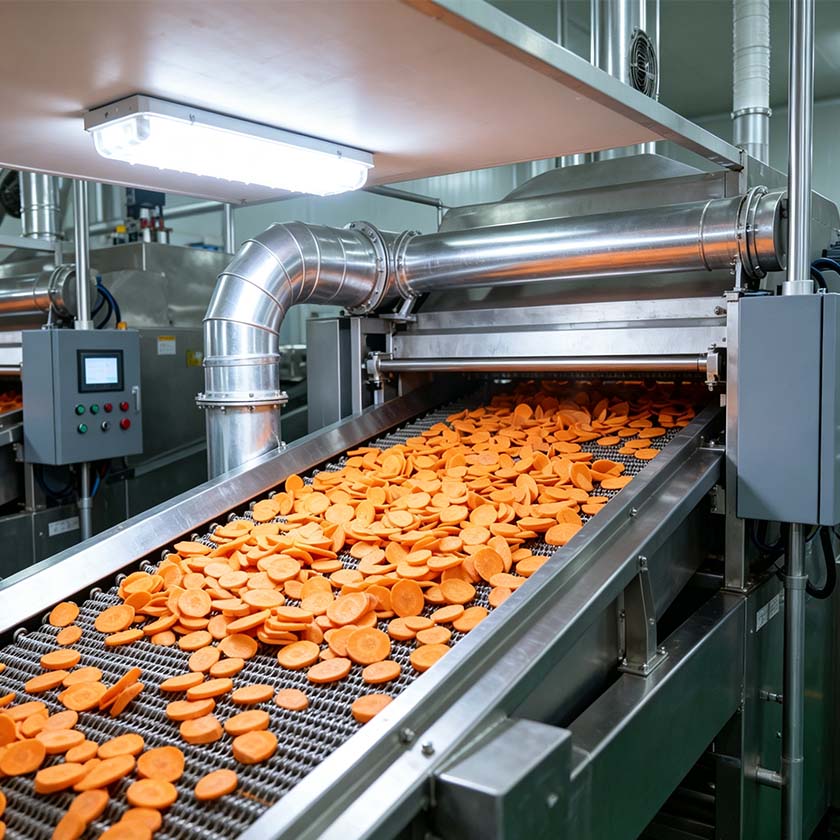
The LCTC programmable temperature controller maintains precise temperatures in a wide range of processes, including cooking, drying, sterilization, and baking. It is ideally suited for the strict requirements of temperature control in food production, ensuring product quality and safety while meeting production standards. Typical equipment includes baking ovens, drying machines, sterilization equipment, food processing lines, commercial ovens.
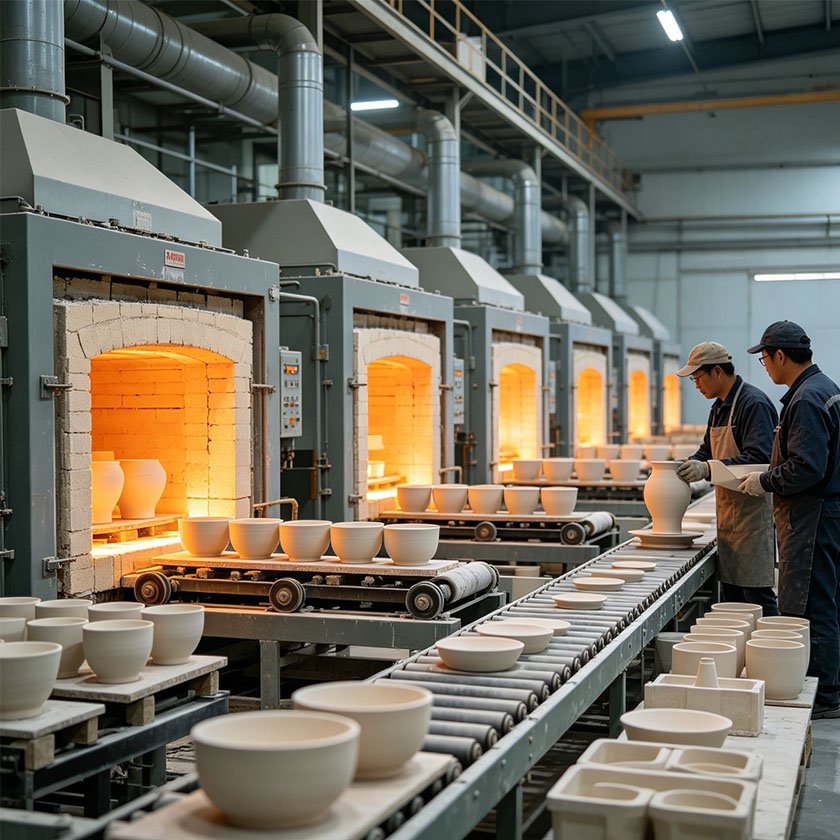
The programmable temperature controller LCTC offers multi-stage temperature programming, enabling precise control of heating, holding, and cooling processes. Thanks to automatic program execution, operator errors are minimized, making the device ideal for complex heating and cooling curves in ceramic firing and glass processing. Typical equipment includes ceramic kilns, glass furnaces, melting furnaces, heat treatment kilns.

Testimonials
We integrated this programmable temperature controller into several of our heat treatment furnaces, the 50-step programming function enables configuration of complex temperature control profiles without requiring an external PLC, significantly simplifying the production process. It ensures stable performance during continuous operation, while the LCD display is clear, easy to read, and simple to use.
Production ManagerThis programmable temperature controller supports various input and output modes, which can be switched directly via the menu, saving time when configuring outputs. Additionally, LCTC responded very quickly to my request for a custom analog signal—an impressive testament to its efficiency.
Senior Design EngineerWe have installed these programmable temperature controllers in our industrial drying ovens; the PID control ensures stable temperature throughout the entire drying cycle, while the programmability allows us to automatically process specific programs for different products. Since their introduction, temperature regulation has become more stable and shows significantly lower fluctuations, resulting in more consistent product quality.
Maintenance Supervisor
The LCTC programmable temperature controller supports various thermocouples (K, J, E, T, and S types) as well as resistance thermometers (Pt100, Cu100, Cu50), with input types selectable via the menu. It also supports analog signals (0–5 V, 0–10 V, 1–5 V, 4–20 mA, etc.), with customizable signal specification.
Yes, the LCTC programmable temperature controller supports both RS485 and Modbus-RTU protocols, enabling seamless integration into PLC systems, HMIs, SCADA systems, and other industrial automation equipment.
LCTC programmable temperature controller supports PID auto-tuning, eliminating the need for manual adjustments. This helps minimize temperature overshoot and fluctuations, increases response speed, and ensures stable temperature control.
If the sensor of the programmable temperature controller malfunctions or triggers an error alarm, first check whether the sensor wiring is securely connected and whether the selected input type matches the connected sensor. In most cases, the alarm is caused by loose wiring, a damaged sensor, or incorrect parameter settings. If the issue persists even after ruling out the scenarios mentioned above, LCTC will assist you in identifying the cause and provide an appropriate solution.
What is a Programmable Temperature Controller?
Temperature controls play a crucial role in many industrial sectors due to factors such as heating accuracy, process repeatability, and operational efficiency.
The temperature controller automatically adjusts the temperature according to preset programs, enabling the definition of multiple independent temperature phases, such as heating, holding, and cooling, to automatically carry out the entire temperature control process.
By integrating functions such as programming, PID control, and temperature sensing, programmable temperature controllers offer a more flexible approach to precise and reproducible temperature regulation.
How Does a Programmable Temperature Controller Work?
A programmable temperature controller continuously monitors the actual temperature using a sensor and compares it with the setpoint temperature; it then adjusts its output signal to increase or decrease the temperature, thereby achieving the desired set value.
You can configure temperature profiles; for example, during a typical heating process, the temperature gradually rises from room temperature to a target temperature, is maintained at that level for a certain duration, and then slowly decreases with a controlled cooling rate. The function of the programmable temperature controller is to automatically execute these temperature changes through a multi-step programming process; up to 50 independent programs for temperature adjustments can be configured, resulting in significantly improved efficiency.
Programmable Temperature Controller VS PID Temperature Controller
A PID temperature controller primarily regulates temperature using the proportional-integral-derivative control algorithm, effectively reducing temperature fluctuations, minimizing overshoot, and maintaining stability.
A PID temperature controller focuses on improving temperature stability, while the temperature controller is designed for implementing a customized temperature process. In a programmable temperature controller, these two functions can be combined to achieve stable, precise PID temperature control as well as the automatic execution of multi-stage temperature programs.
How to Choose a Programmable Temperature Controller
When selecting temperature controller, factors such as the required temperature range, number of programming steps, supported sensor types, output options, communication requirements, and application environment must be taken into account.
For simple temperature control requirements, a digital temperature controller is sufficient. If the application scenario requires stable temperature control, a PID temperature controller can be selected. When the application requires automatic execution of temperature profiles and repetitive shutdown cycles, a programmable temperature controller is the best choice.
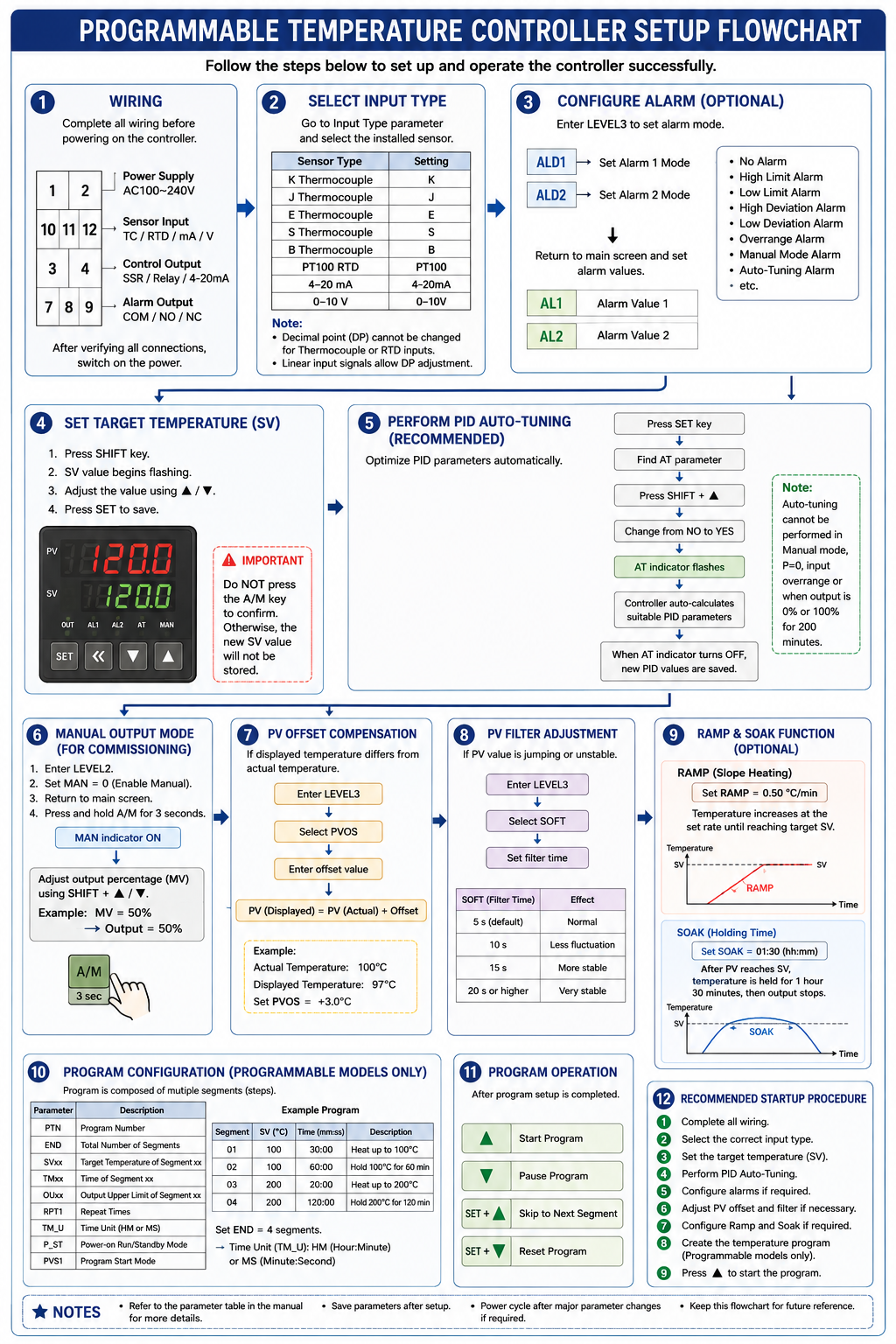
How to Wire a Programmable Temperature Controller
Setting up the temperature controller involves 12 steps, including wiring, configuring the input type, setting alarms, defining the setpoint temperature, enabling the PID auto-tuning function, and setting manual inputs. For details on each step, please refer to the flowchart below: