
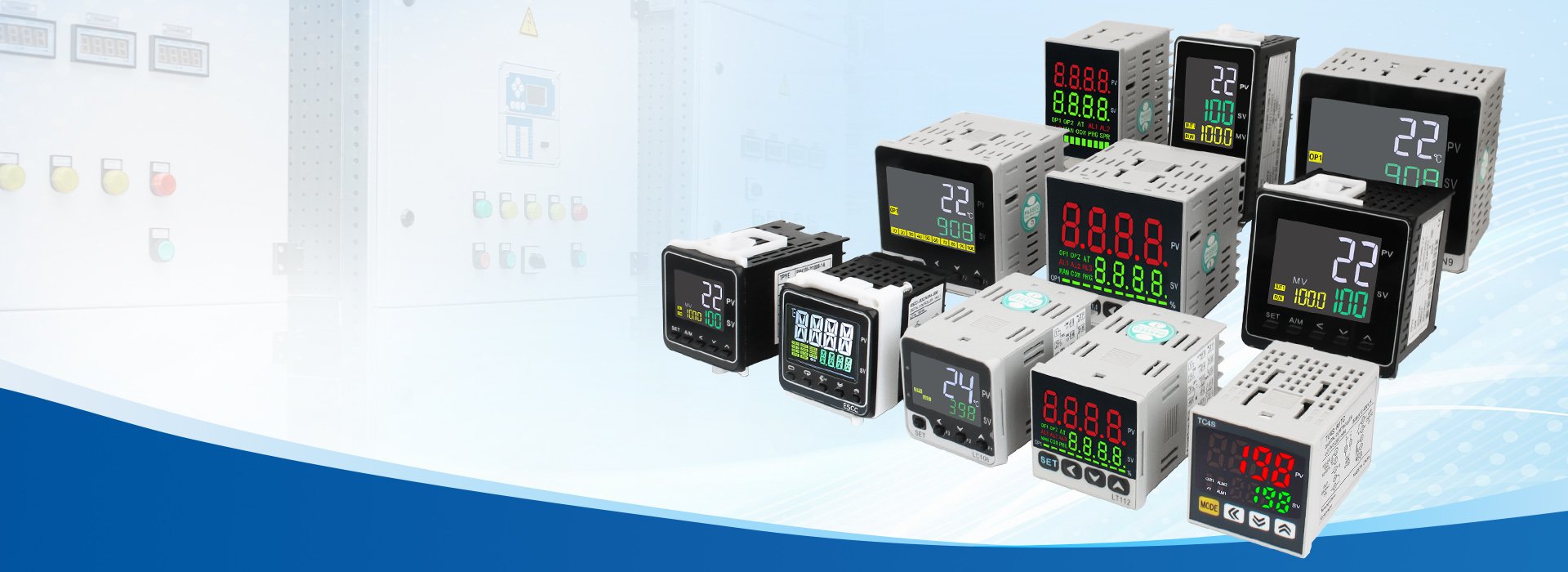
Digital PID Temperature Controller Manufacturer from China
LCTC is a Chinese company specializing in electrical components. Thanks to our extensive industry experience, we provide precise and efficient digital PID temperature controllers worldwide. Our products are used in a wide variety of automated production lines, including plastics processing, food processing, the chemical industry, and laboratory technology, and continue to strive to provide you with precise and reliable digital temperature controllers.
To ensure product quality, all LCTC products undergo standardized testing and inspections before leaving the factory; our standard quality management system enables our products to obtain various professional certifications, including CE marking. In addition, we offer flexible OEM/ODM services as well as professional support before and after purchase.
Please feel free to contact us with your application requirements; we will provide you with technical specifications, support in product selection, and highly competitive offers.
Product By Features
LCTC offers five digital PID temperature controller models.
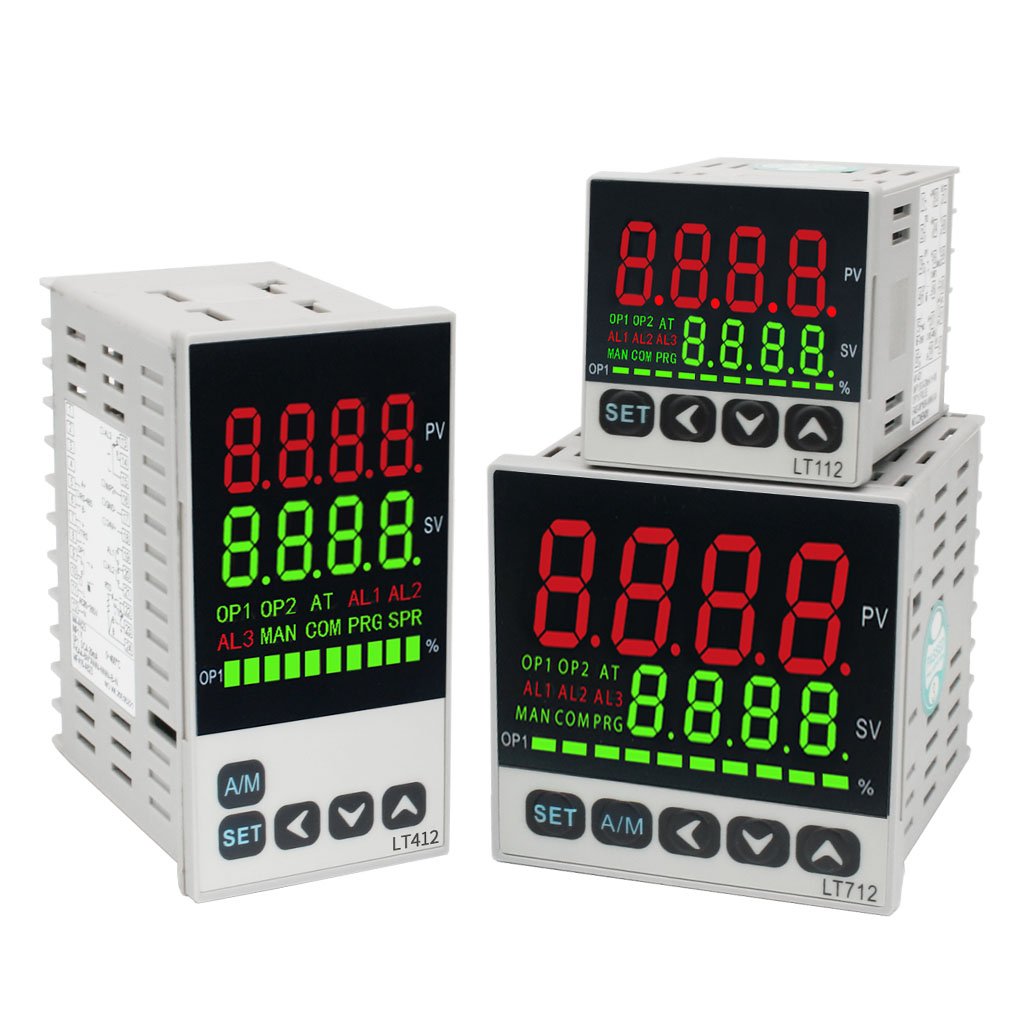
Supports various input and output types, features a digital display, and includes an integrated output scaling function.
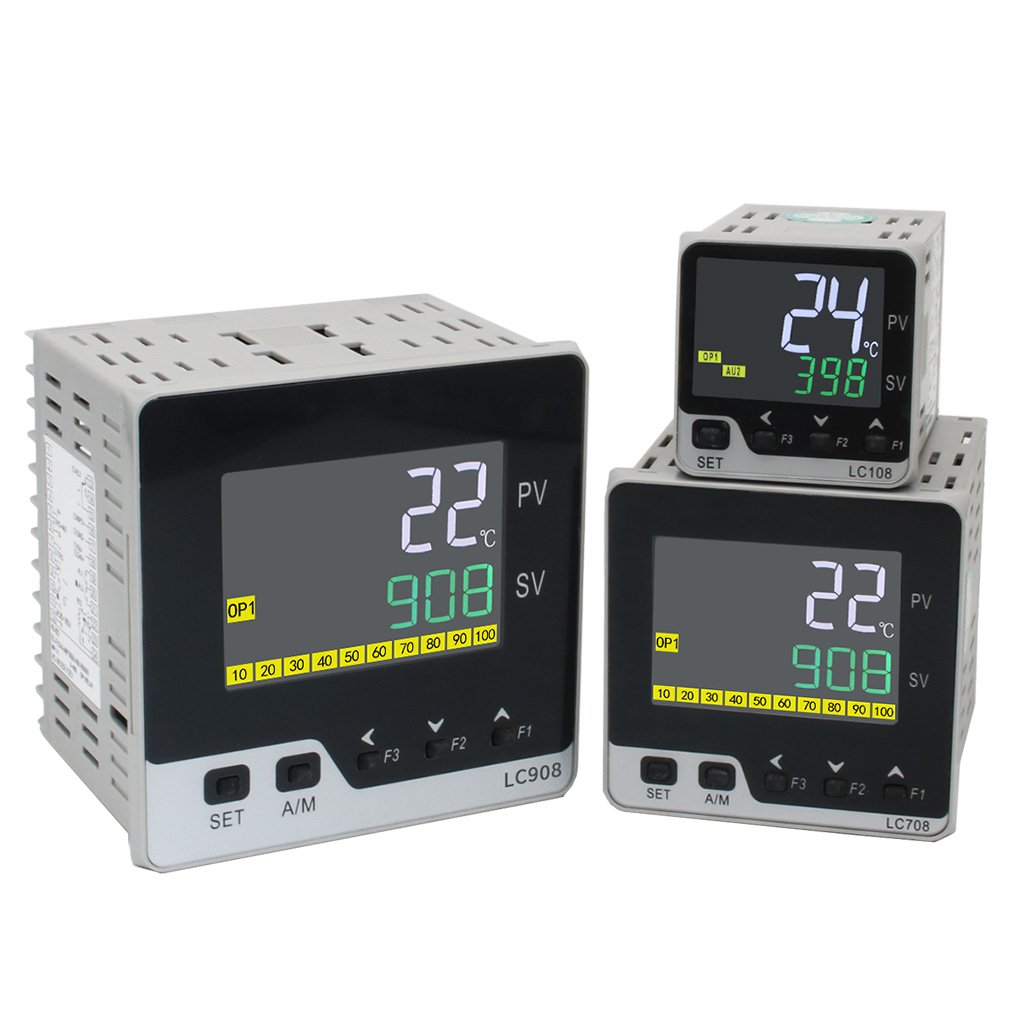
Supports dual alarm systems and RS485, features an LCD display, and allows standard panel mounting.
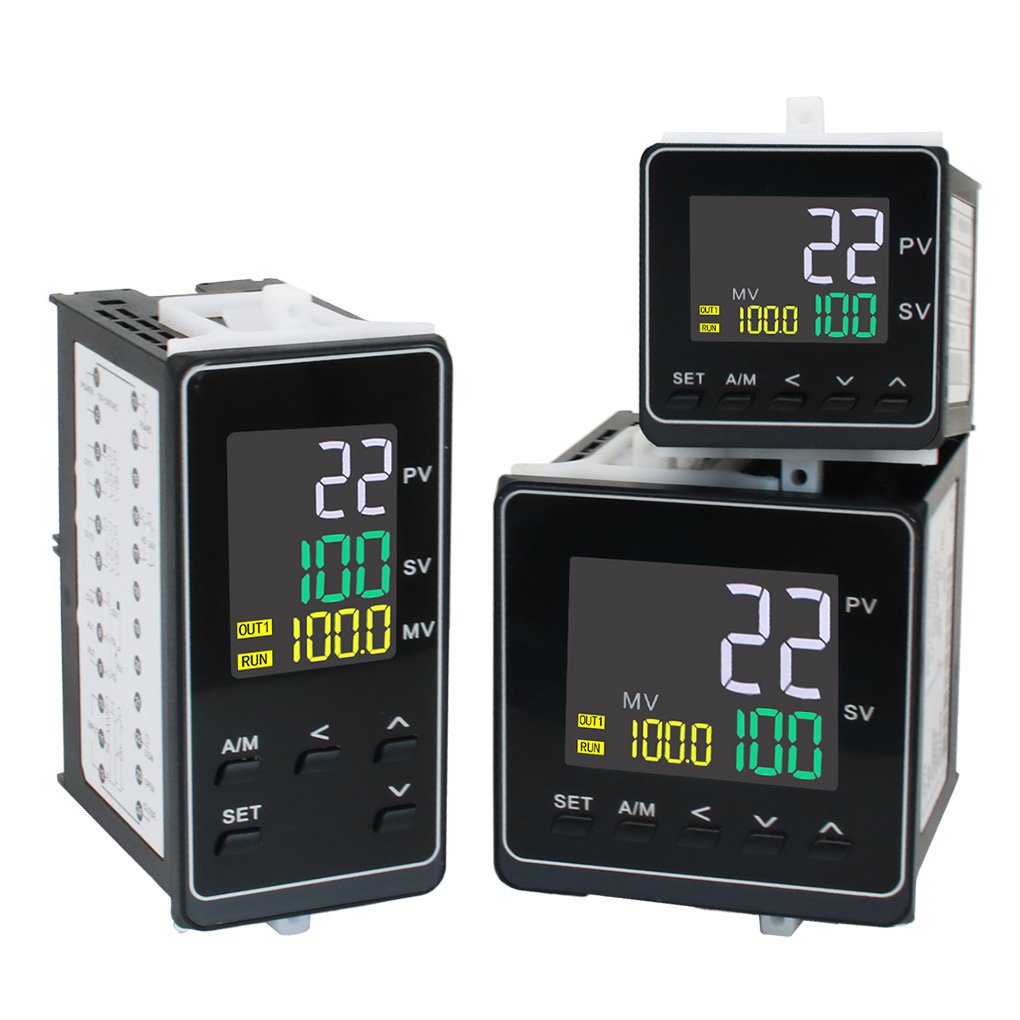
Supports multiple input and output methods; programmable.
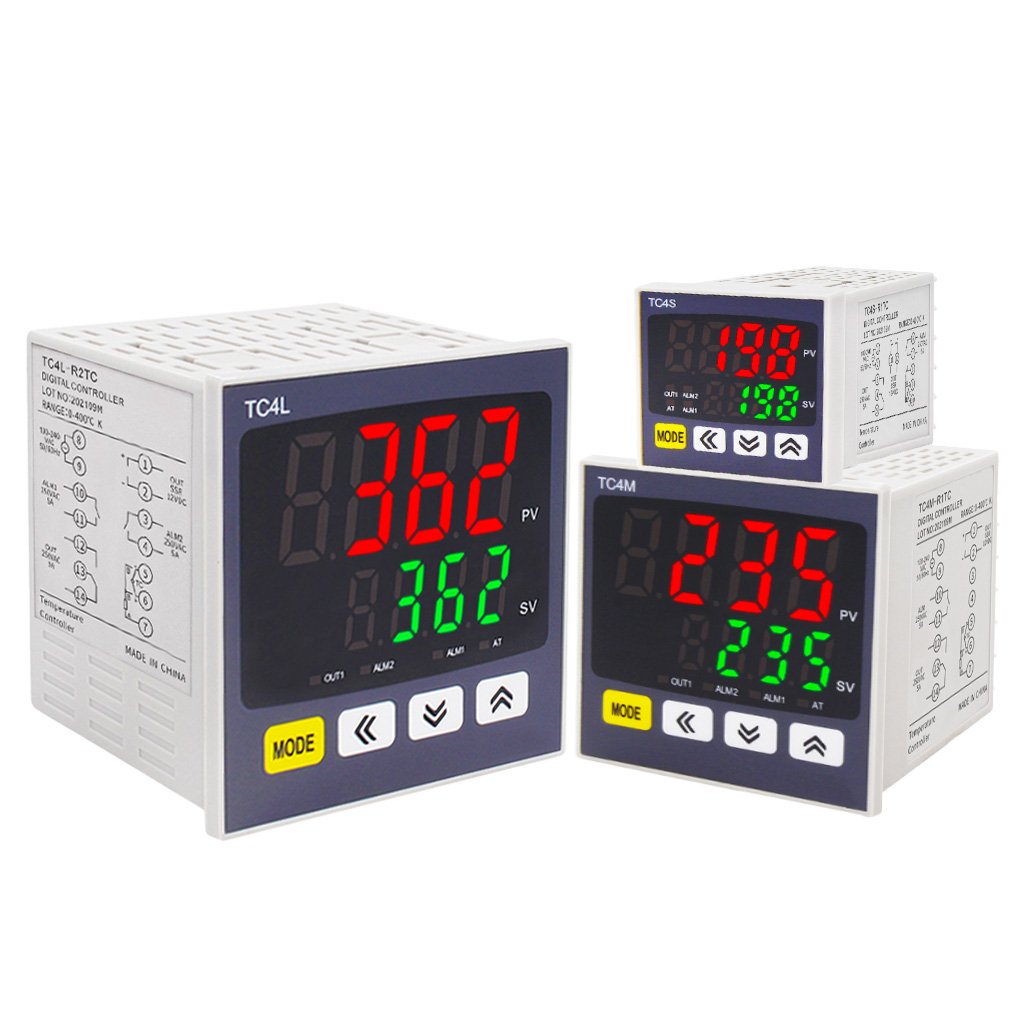
Supports various input and output sizes; available dimensions include 48×48 mm, 48×96 mm, 72×72 mm, 96×96 mm, and 96×48 mm.
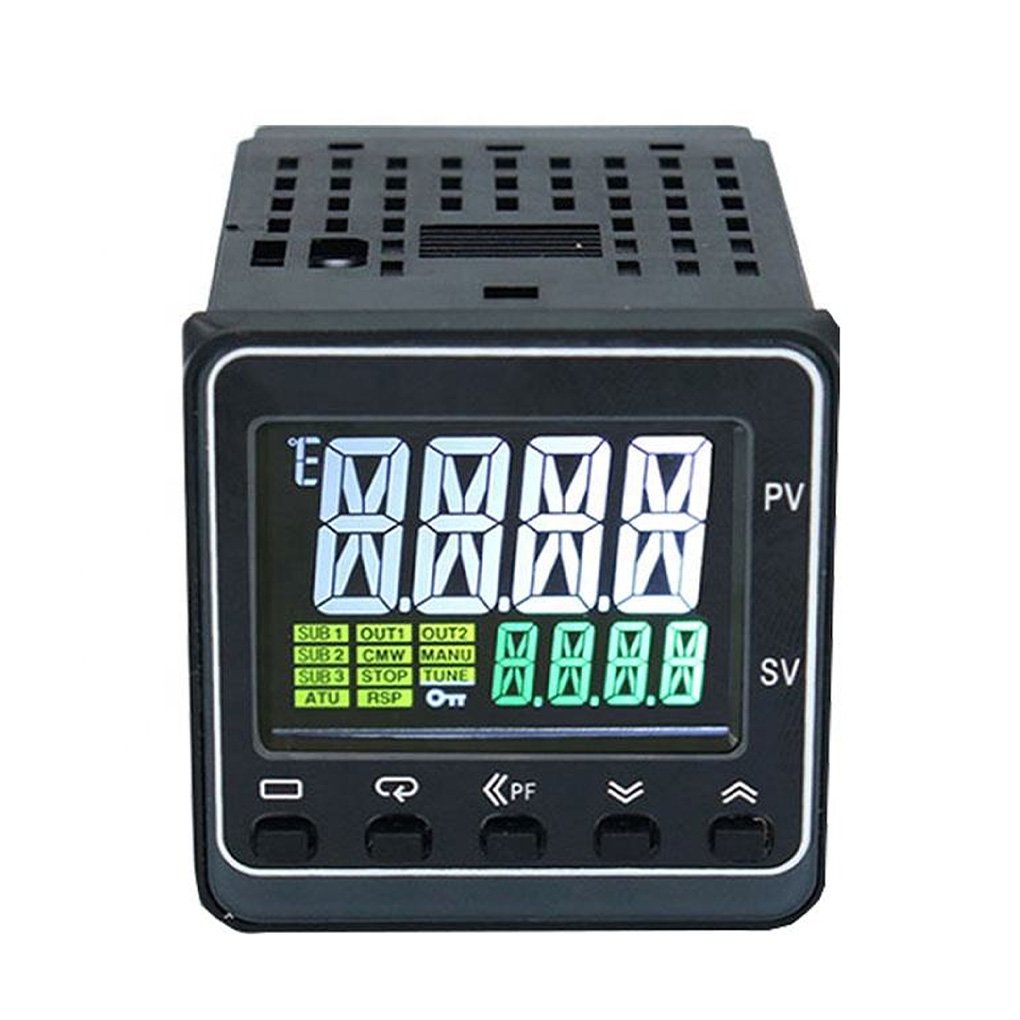
Supports multiple inputs and outputs, features an alarm function, and has dimensions of 48 x 48 mm.
Feature of Digital PID Temperature Controller
The LCTC digital PID temperature controller offers numerous advantages and is designed to provide you with reliable temperature control.

The temperature controllers typically come in standard front dimensions such as 48×48 mm, 72×72 mm, 96×96 mm, and 48×96 mm, allowing them to fit directly into the existing cutouts of most switchgear without requiring new openings.

Digital PID temperature controllers support various inputs, including thermocouples of types K, J, T, S, and R, Pt100 resistance thermometers, as well as analog signals of 0-5V or 0-10V, as well as relay, SSR, voltage, and current outputs, making them adaptable to a wide range of industrial application scenarios.

Digital temperature controllers use precise PID regulation to minimize overshoot and automatically reduce energy consumption once the temperature stabilizes; by decreasing the frequency of heating or cooling cycles, they lower operating costs and reduce equipment wear.

The digital PID temperature controller supports communication modules for easy expansion and system integration; it can also be connected to automation systems such as PLCs, enabling an upgrade from a single controller to a system node.
Digital Display for Easier Operation
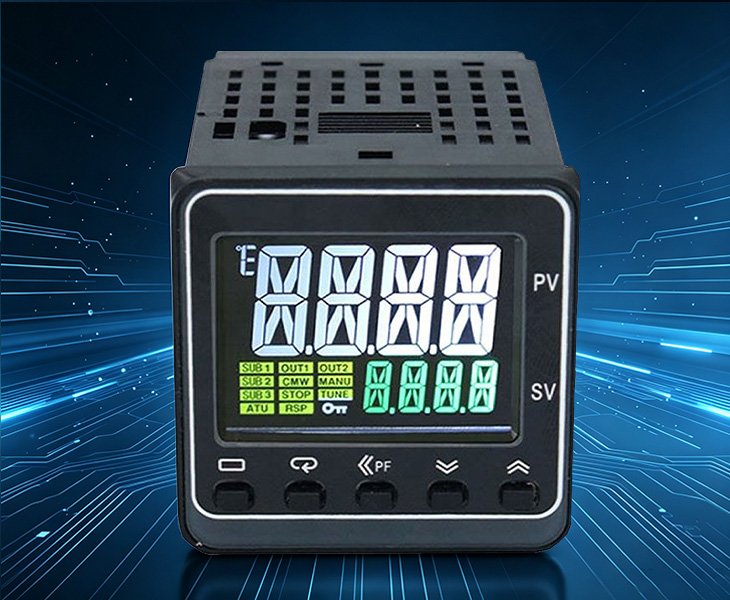
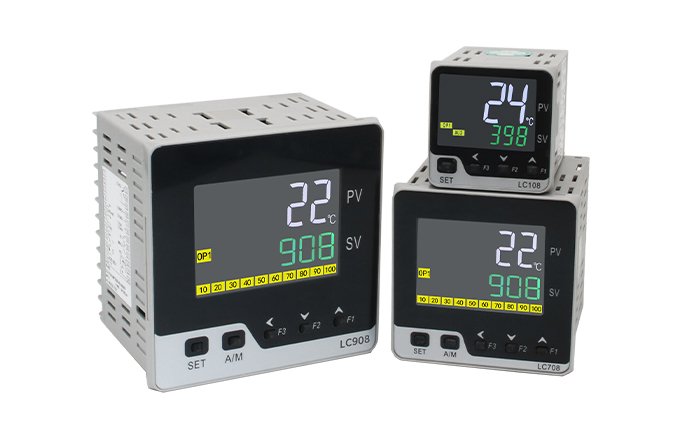
LCTC digital PID temperature controller features a clear, intuitive digital display and user-friendly design, allowing users to quickly view data, monitor operating status in real time, and adjust control parameters. The temperature controller is equipped with a bright LED or LCD display that shows the PV and SV values, making temperature changes immediately visible.
In addition, the clearly labeled buttons on the control panel allow for quick adjustment of parameters and status values, enabling even first-time users to become familiar with the operation procedures in no time. Digital displays also reduce human reading errors; they enable operators to make quick decisions and carry out temperature monitoring and control tasks more easily and accurately, thereby improving efficiency.
PID Intelligent Control Algorithm Offers Greater Convenience
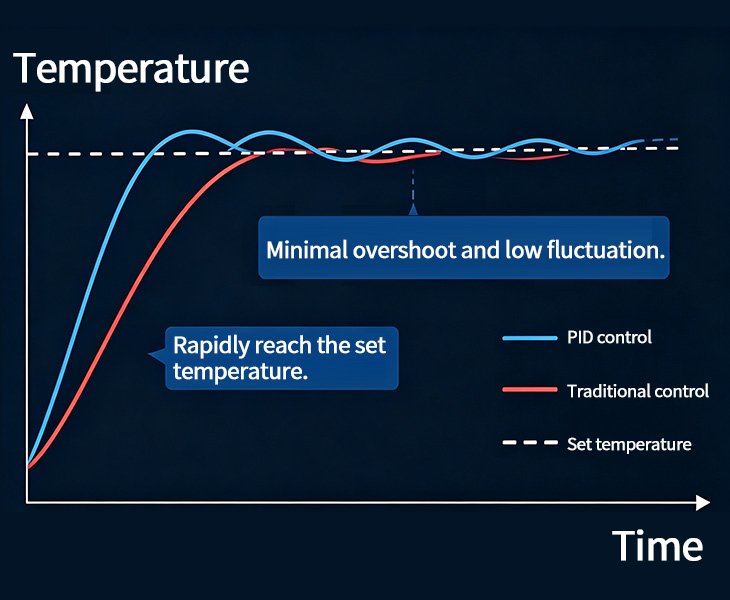
This is one of the core technologies of the digital PID temperature controller and a crucial prerequisite for highly precise and stable temperature regulation. The key benefit lies in precise and stable temperature control, simultaneously reducing energy consumption and operating costs, through autonomous analysis, automatic adjustment, and continuous optimization. This enables rapid attainment of target temperatures, minimizes overshoot and fluctuations, and automatically optimizes control parameters. The operating principle of the intelligent PID control algorithm is to automatically calculate and adjust the output performance based on real-time temperature changes, enabling the temperature to quickly reach and maintain the setpoint.
The proportional (P), integral (I), and differential (D) components each perform specific functions: the P component ensures a rapid response to temperature changes, the I component eliminates long-term deviations, and the D component anticipates temperature trends and makes corrective adjustments in advance.
Digital PID Temperature Controller Resource Download
Digital PID Temperature Controller for PID Temperature Control Solution
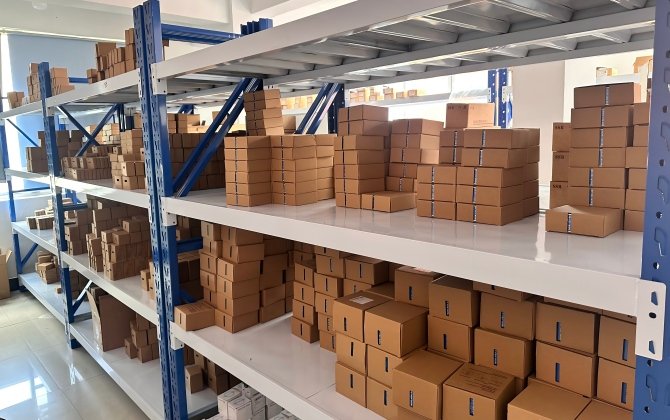
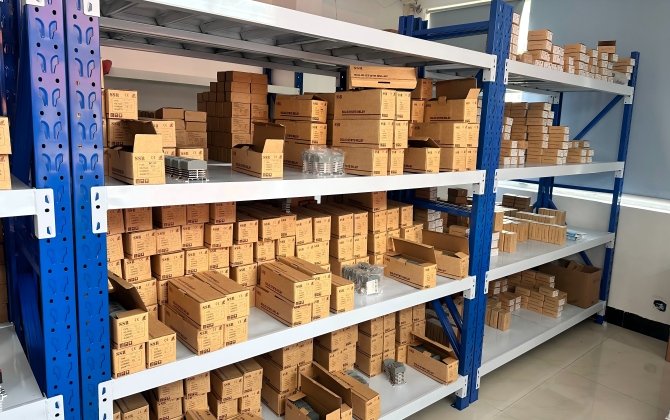
LCTC follows a customer-oriented service philosophy, supported by stable production capacities and reliable delivery schedules, the company ensures consistent product quality through rigorous manufacturing and inspection processes. In addition to product quality, we place great emphasis on long-term partnerships; we offer flexible OEM/ODM services to deliver customized products for you. LCTC is committed to building a partnership based on trust, quality, and continuity, offering you reliable solutions for digital temperature controllers.
Application of Digital PID Temperature Controller
LCTC digital PID temperature controller is suitable for a wide range of industries and application scenarios.
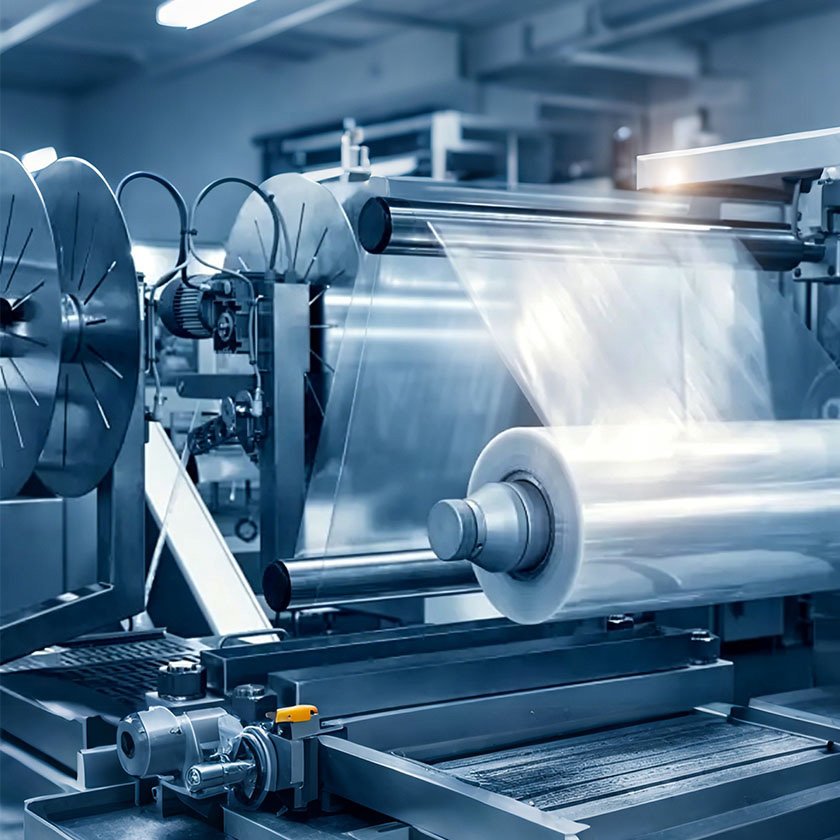
The industrial digital PID temperature controller uses PID regulation for real-time adjustment, ensuring stable temperature control and effectively improving product consistency. It is ideally suited for industrial sectors such as plastics processing, where temperature fluctuations can affect dimensional accuracy, surface quality, and production efficiency; typical applications include injection molding machines, extruders, blow molding machines, and rubber vulcanization systems.
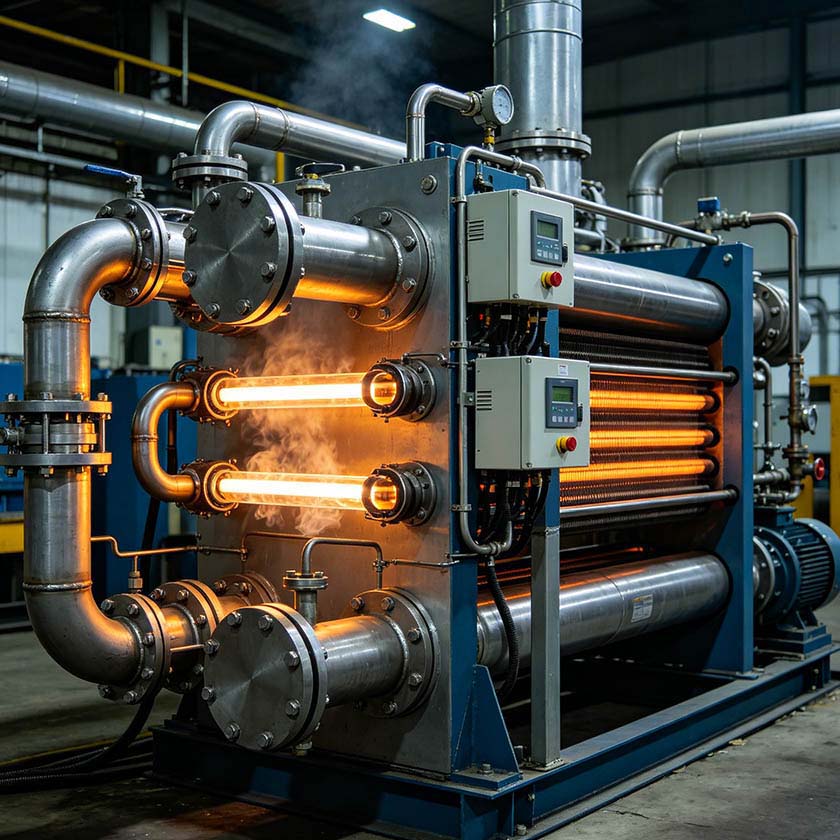
Digital temperature controllers use PID self-optimization to minimize temperature fluctuations and optimize heating efficiency, thereby reducing energy consumption and equipment wear. They are ideally suited for industrial heating applications requiring continuous long-term operation and the maintenance of a stable temperature environment, such as industrial ovens, drying ovens, heat treatment furnaces, and kilns.
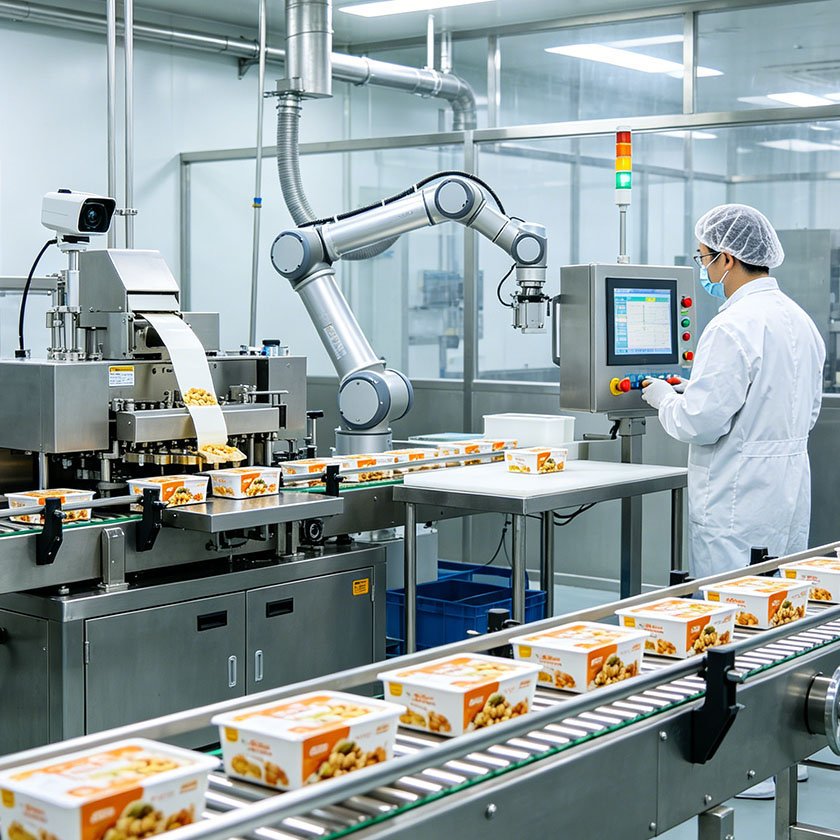
The digital display and real-time monitoring functions of the industrial temperature controller precisely regulate processing temperatures, ensuring consistent product quality. Ideal for the food industry, particularly in areas where temperature sensitivity affects product characteristics, quality, or even food safety. Typical applications include baking ovens, food dryers, fermentation equipment, and sterilization systems.
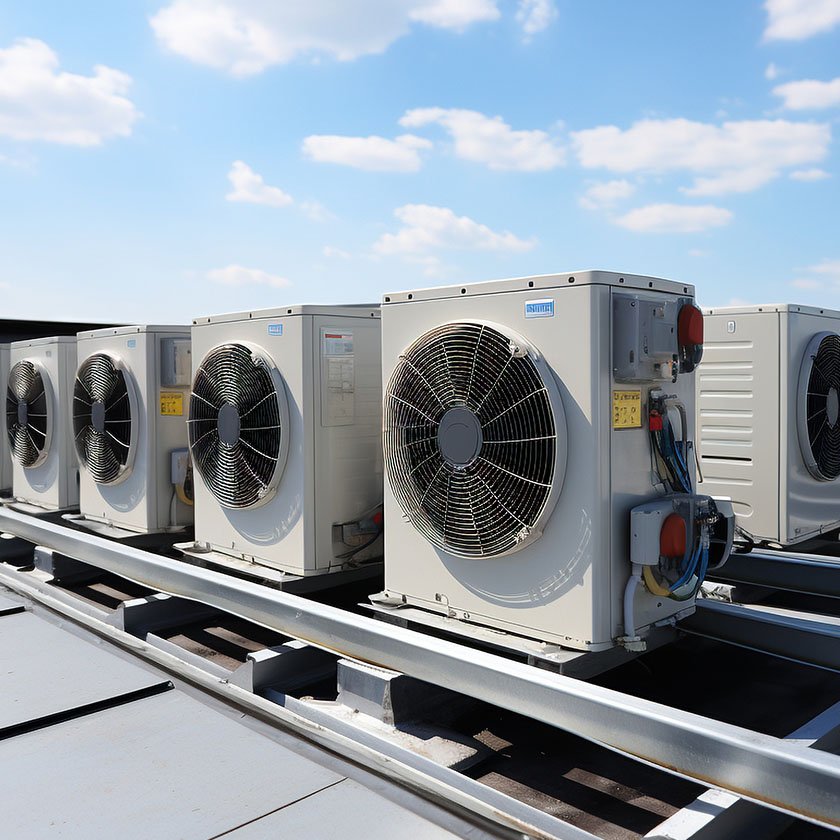
The digital PID temperature controller supports dual-mode operation for heating and cooling, automatically regulating the system to maintain a stable ambient temperature. It is ideally suited for the HVAC or refrigeration industry and enables real-time adjustment of the operating condition of cooling or heating equipment, such as air conditioning systems, chillers, refrigeration units, and cold storage systems.

The industrial temperature controller features highly precise regulation and dual alarm functions, helping to ensure stable temperature conditions in systems. It is ideally suited for industrial sectors, such as chemical process engineering and laboratory research, where accurate temperature control is critical and temperature fluctuations could compromise data accuracy. Typical applications include chemical reactors, mixing tanks, distillation equipment, pharmaceutical production lines, incubators, environmental chambers, laboratory ovens, and water baths.

Testimonials
I have used this digital PID temperature controller in combination with a small heating unit; the deviation was minimal when using a PT100 sensor, and thanks to only slight adjustments of the PID parameters, stable control was easily achieved. Additionally, the control panel is highly user-friendly, making this device an extremely reliable solution within its price range.
Equipment SupplierI use a digital PID temperature controller to regulate a cold water circulation system. Although the device is not specifically designed for refrigeration technology, it reliably maintains a constant temperature thanks to a control mechanism with inverted action, and daily operation generally runs smoothly.
Equipment Supplier
Yes, but it depends on the specific model and configuration. A temperature controller does not generate heat or cold on its own; instead, it is connected to heating and cooling systems to monitor, stabilize, and regulate their performance in real time, thereby maintaining the target temperature with high precision. Some models also support two-output control; if you’re unsure which model best suits your application, the LCTC engineering team can provide a suitable recommendation based on your equipment, sensor type, control requirements, and other factors.
The temperature controller LCTC is compatible with both thermocouples and RTD sensors. Supported thermocouple types include K, J, E, T, and S, while PT100 RTD sensors are also supported. Additionally, analog input signals such as 0–5 V, 0–10 V, 1–5 V, and 4–20 V are supported.
Setting up a temperature alarm is usually very simple; the parameter menu can typically be accessed via the control panel to configure the desired alarm settings. Most temperature controllers support setting alarm limits for high and low temperatures, while some advanced models offer additional alarm functions such as alarms when the sensor fails, deviation alarms, and alarms when thresholds are exceeded or undershot. However, the exact steps may vary depending on the model; if you need assistance with alarm configuration, the LCTC technical team is available at any time.
The temperature controller is connected to the input sensor and compares the measured value with the preset target temperature. If the actual temperature is below the setpoint, it sends an output signal via a relay or SSR to activate the heating element and raise the temperature. As soon as the temperature approaches the setpoint, the controller automatically adjusts the output ratio to prevent overheating.
Most models now support the PID auto-tuning function; after activation, the temperature controller automatically analyzes and calculates the optimal PID parameters, enabling fast response and stable temperature control without manual intervention. However, for specific applications such as industrial furnaces, the PID parameters can be fine-tuned to further optimize control performance.
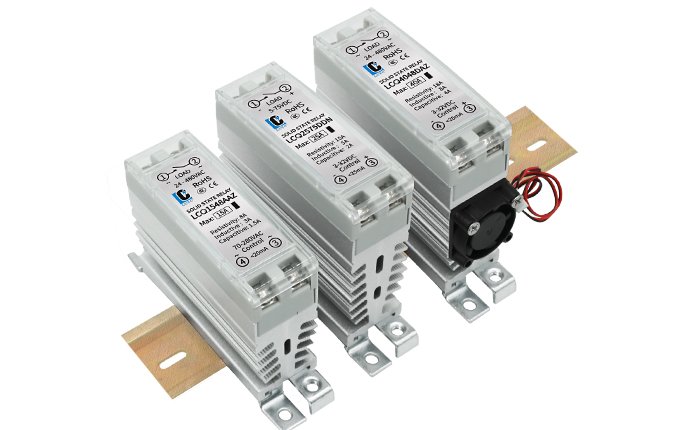
How to Wire a Digital PID Temperature Controller with SSR Output?
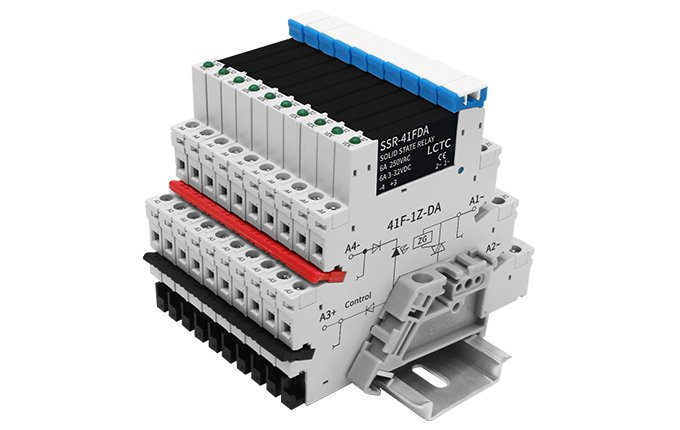
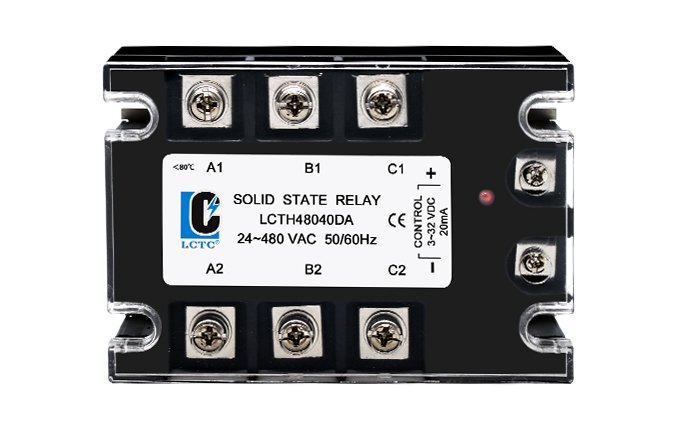
The SSR output is one of the most widely used types of outputs in temperature controllers and is extensively applied in industrial automation systems. Proper wiring helps ensure precise temperature control and safe operation of the system. So, exactly how should an SSR be correctly connected to a temperature controller?
Typically, the system consists of three main components: a temperature sensor (usually a thermocouple or RTD), a digital PID temperature controller, and a heating element connected via an SSR. The SSR acts as a switch and controls the heating based on the signal from the temperature controller.
Basic Wiring Principle
First, the input of the digital PID temperature controller is connected to a temperature sensor that continuously measures the process temperature and transmits the temperature data in real time to the controller.
Next, the SSR’s output terminal is connected to the controller’s input, while the SSR on the power side is wired in series with the heating element and the power supply. When the controller sends an output signal, the SSR allows current to flow through the heating element, thereby initiating the heating process.
After turning on, the controller compares the actual temperature (PV) with the desired temperature (SV) and sends a control signal based on the difference to activate the heater, thereby maintaining the temperature at the set value.
Important Notes
- Match the SSR voltage and current rating with the heater load
- Ensure proper heat dissipation for the SSR using a heat sink
- Follow correct polarity for control signal terminals
- Use proper grounding and insulation for safety