
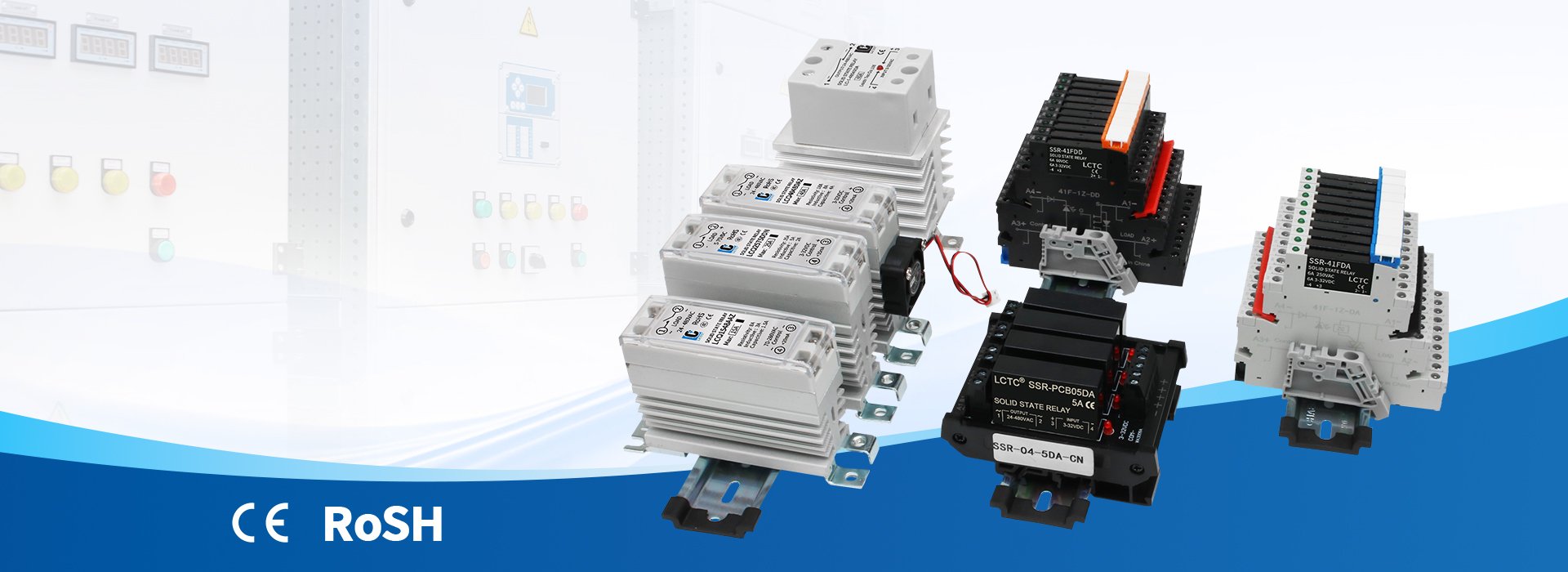
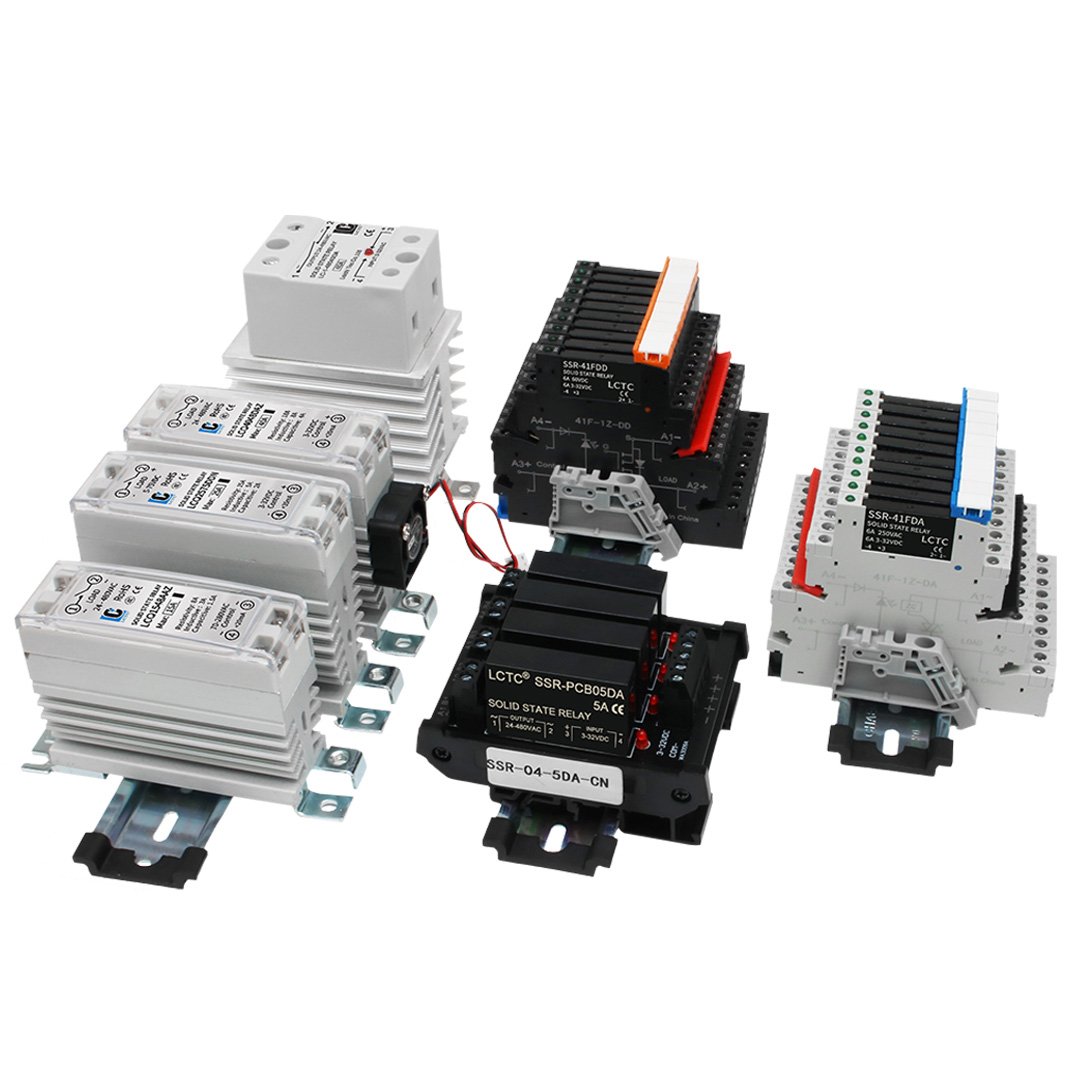
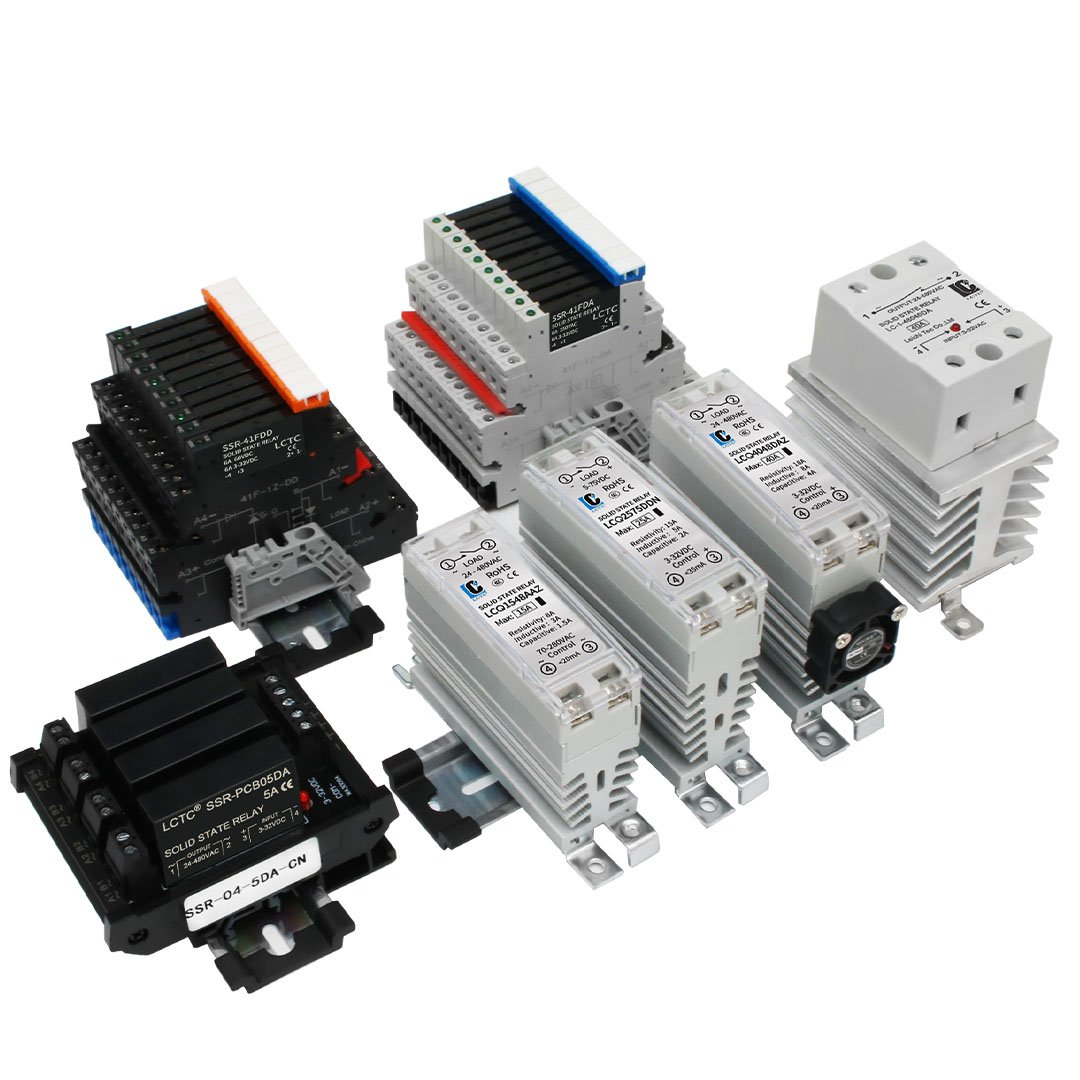
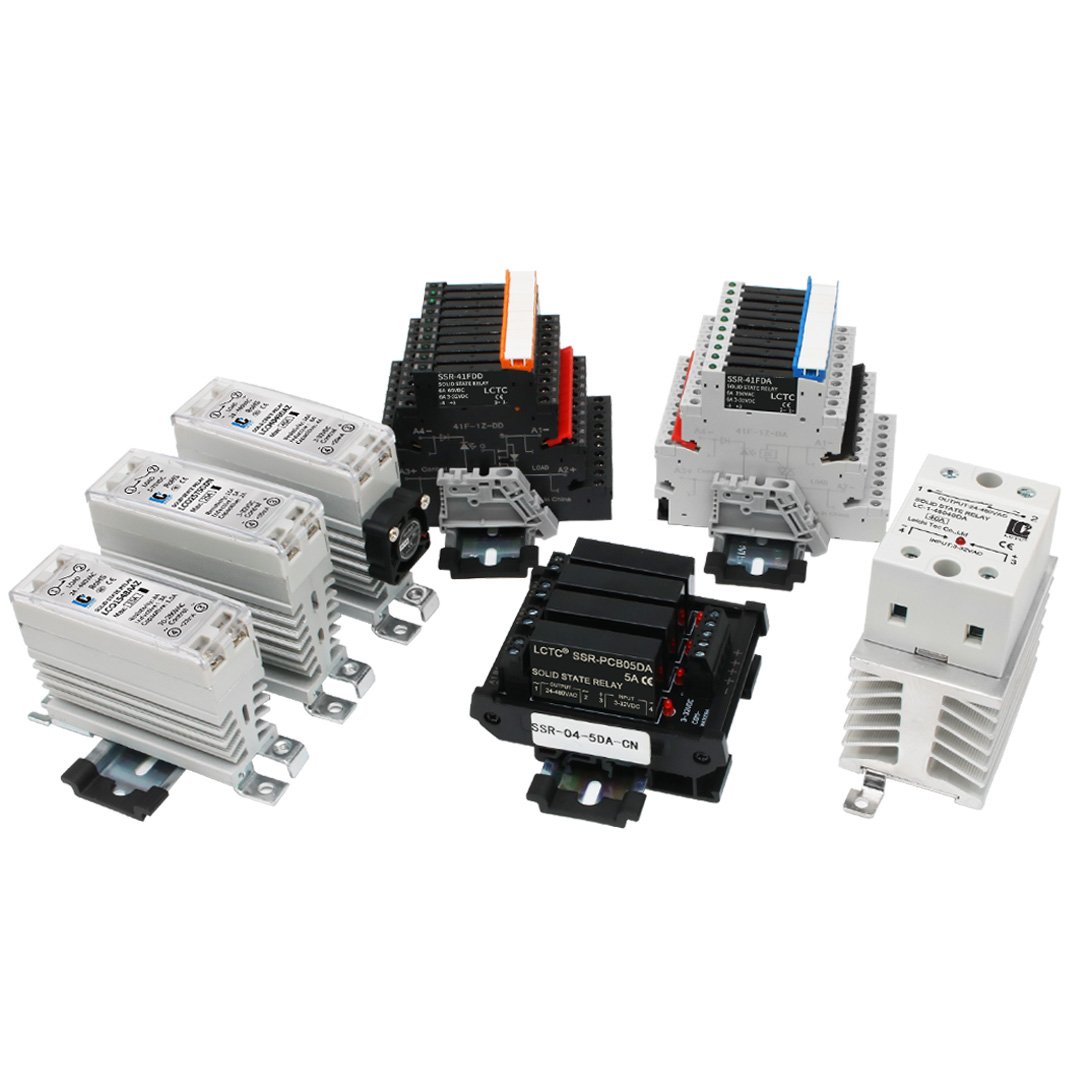
Industrial DIN Rail Solid State Relay Manufacturer
With decades of experience in the production of electrical components, LCTC specializes in the research, development, and manufacturing of DIN rail solid state relay. We operate a flexible business model focused on OEM/ODM, and provide customized services tailored to our customers’ specific needs. A rigorous quality management and supply system makes LCTC a reliable supplier.
Thanks to its advantages of long service life, fast response, and high reliability, the LCTC DIN mount solid state relay is primarily designed for applications such as industrial automation and PLC systems. This effectively ensures your equipment operates efficiently and provides you with a stable, industrial DIN rail SSR.
If you are interested in our DIN mount solid state relay, click the “Online Chat” button at the bottom right to leave your contact details, or send us an email using the request form. We will get back to you as soon as possible.
DIN Rail Solid State Relay Product Selection
 DIN Rail Solid State Relay AC/DC
- CN/CP Solid State Relay Module
- 41F Slim Relay Socket and Module
- DIN Rail Solid State Relay with Heat Sink
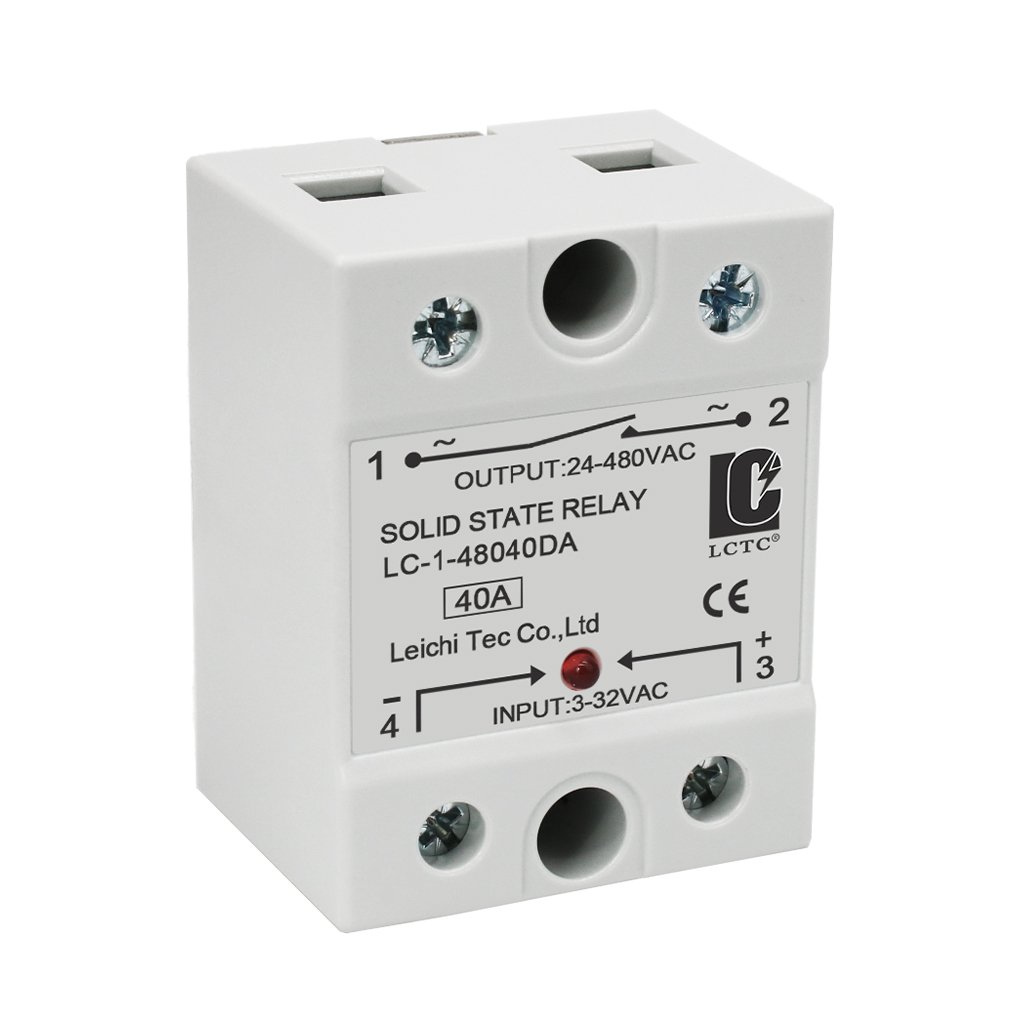
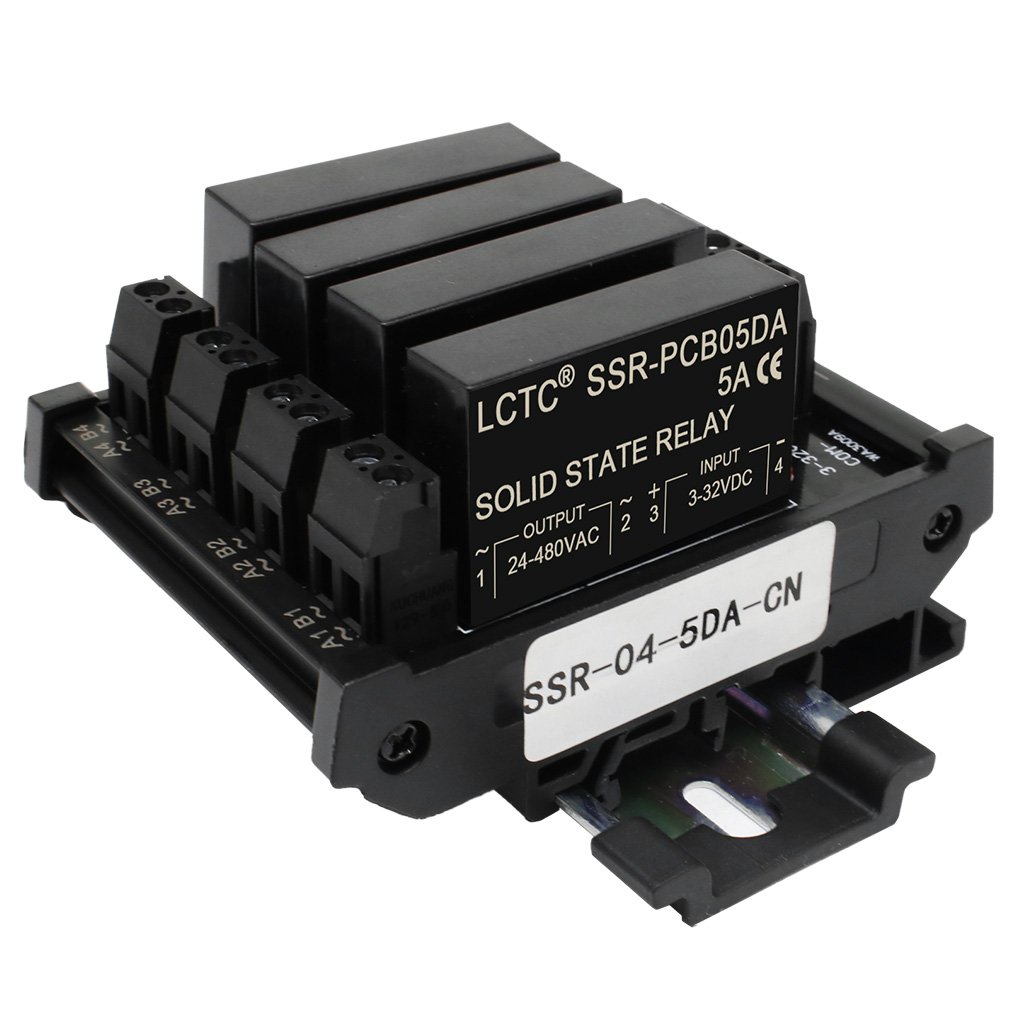
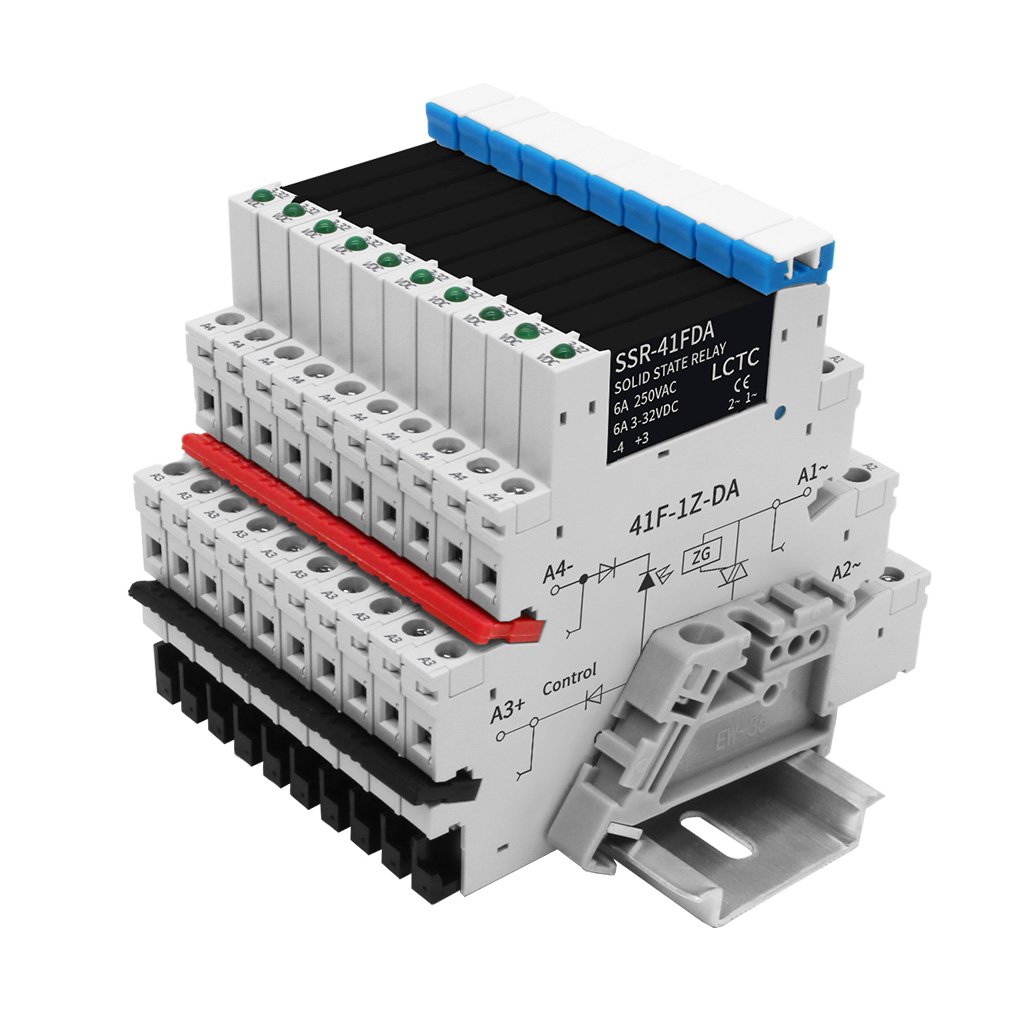
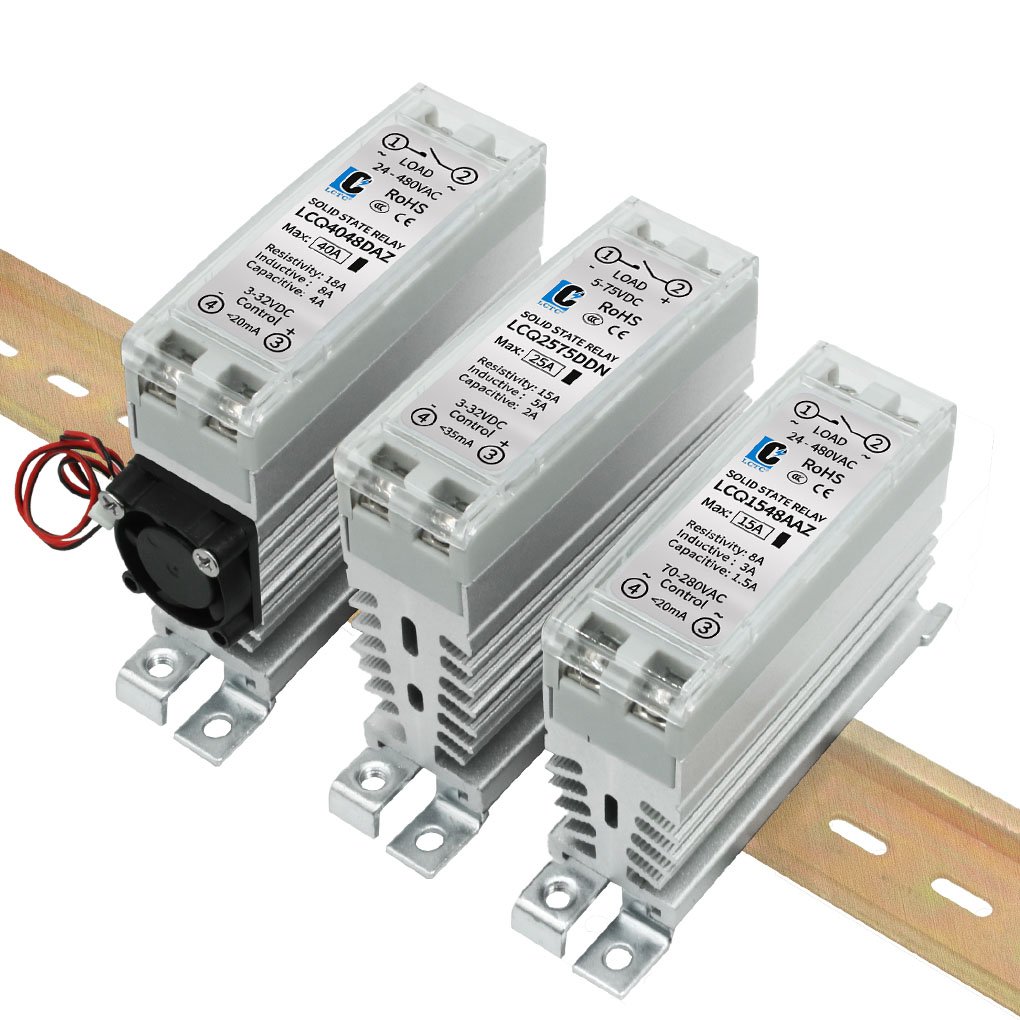
Features of LCTC DIN Rail Solid State Relay
Thanks to its wide range of advantages, this DIN rail solid state relay is highly suitable for improving control efficiency in industrial applications.

Thanks to the structure without mechanical contact, no wear occurs during use, resulting in extremely low noise levels.

It supports fast and stable switching while ensuring rapid response, it maintains uncompromising control precision and efficiency.

Features a standard DIN rail design for uniform mounting, enabling seamless integration into switchgear as well as quick maintenance and replacement.

Compatible with common PLC output signals, enabling seamless integration into industrial automation and control systems.
More Efficient than Other Installation Methods
Compared to other installation methods, LCTC DIN rail mounting uses a direct-click mechanism; this eliminates the need for hole alignment or screw fastening, making replacement possible without requiring plugging in or out. DIN rail solid-state relay mounting features a more compact design and standardized wiring, enabling easy expandability without compromising the structural integrity of other equipment. New modules can be added at any time, significantly simplifying fault resolution.
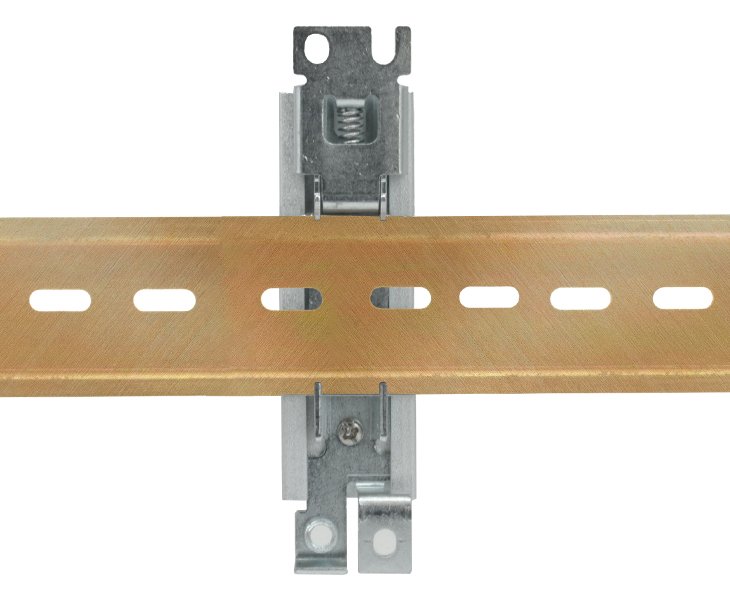
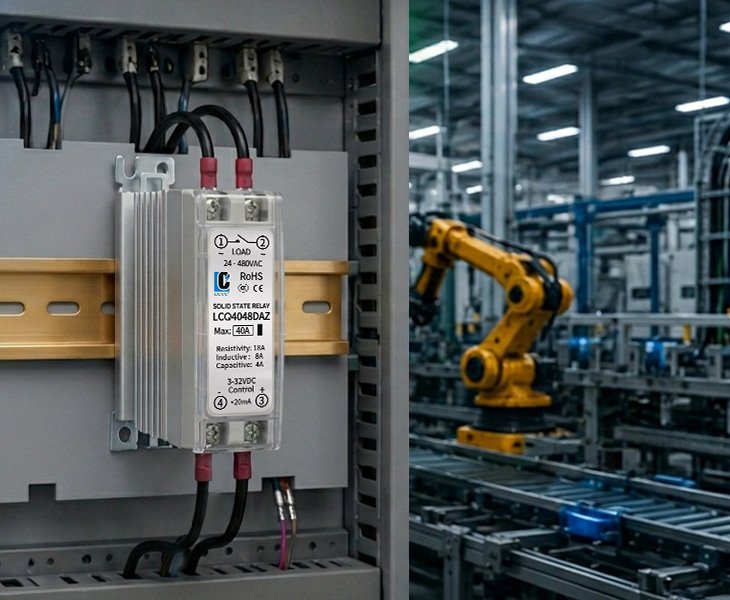
Replaces Mechanical Relays for Reducing Maintenance Costs
Compared to traditional mechanical relays, the LCTC DIN rail solid-state relay utilizes a contactless semiconductor structure, eliminating contact wear, reducing the need for frequent replacements, and ensuring stable long-term operation—even in environments with high-frequency switching. Using it as a replacement for mechanical relays can effectively reduce maintenance costs and downtime.
DIN Rail Solid State Relay Resource Download
Application of DIN Rail Solid State Relay
DIN rail SSR offers numerous advantages and is an electrical component suitable for use across a wide range of industries.
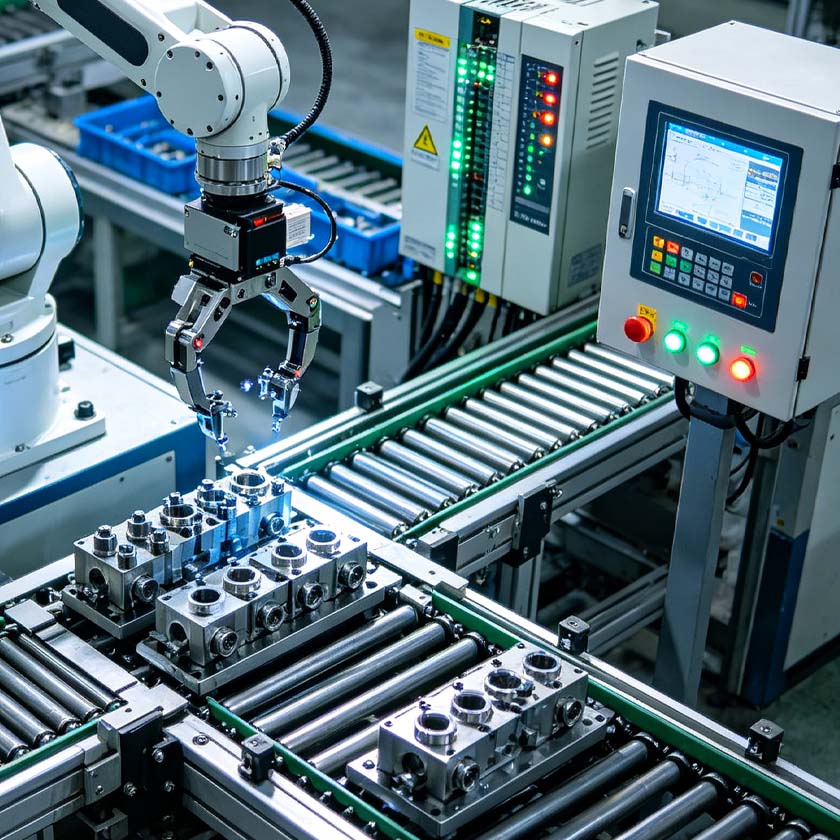
Compared to solid-state relays with other mounting methods, LCTC DIN rail solid state relay can be installed in large-scale switchgear, are modularly expandable, and are easy to integrate and manage. It is highly suitable for industrial automation equipment, such as conveyor belts and sorting systems on automated production lines, sealing machines, filling machines, and junction boxes for assembly lines.
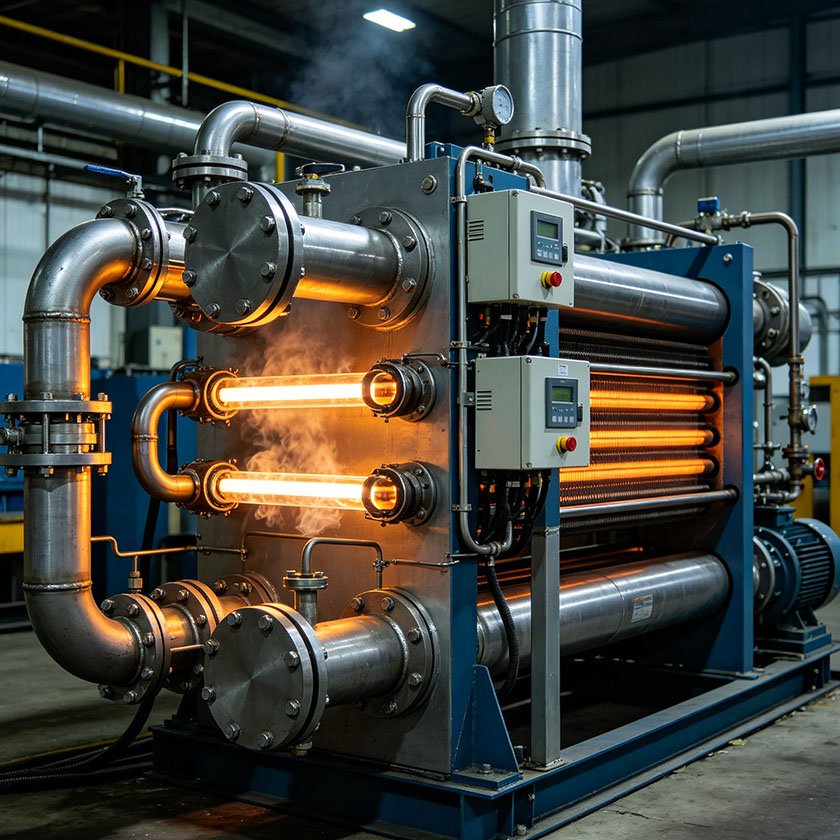
The centralized installation of LCTC DIN rail solid state relay facilitates thermal management. In heating and temperature control systems—where the costs associated with equipment failure due to malfunctions are prohibitively high a critical need exists for faster maintenance and replacement options. It is widely applied in sectors such as plastics processing and food processing, specifically in common equipment like heating control systems for injection molding machines, industrial ovens, dryers, and packaging machines.
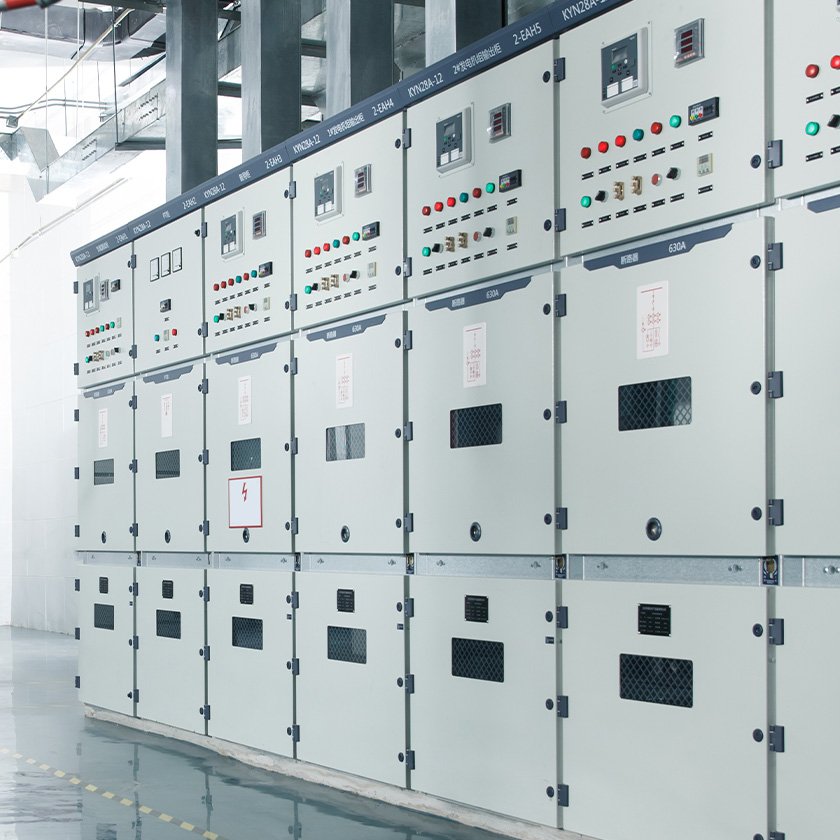
LCTC DIN rail solid state relay is a standard component in distribution cabinets; due to its absence of electrical arcs and mechanical contacts, it is ideally suited for frequent switching operations. Furthermore, standardized installation and inherent design advantages ensure an exceptionally high level of reliability and safety. Widely used in complete sets of electrical equipment, power distribution and switchgear cabinets, power transmission control systems, industrial power distribution, and similar applications.

Testimonials
Our factory has replaced the mechanical relays in our sealing and packaging machines with LCTC DIN rail SSR. Since this transition, operation has become significantly more stable; we have experienced almost no sudden malfunctions. Mounting on the DIN rail is highly practical, and the wiring looks neat and well-organized.
—— Purchasing Manager, Brazil
Since last year, we have upgraded all our automated equipment to LCTC DIN rail SSR. The large-scale replacement and installation process went remarkably quickly, and the rail mounting proved exceptionally practical. We recently purchased a new batch of LCTC solid-state relays to replace the units in our switchgear. The delivery went exceptionally fast—the shipment arrived within just seven days.
—— Purchasing Manager, India
We have integrated LCTC high power DIN rail solid state relays into our heating systems. After a testing period, we confirmed that the relays continued to operate stably, even under conditions involving high-frequency switching. As a result, in May of this year, we carried out a full system upgrade on all our factory equipment. Surprisingly, this large-scale replacement process took almost no time; the DIN-rail mounting system makes installation extremely simple.
——Electrical Engineer, United States
If the current rating is below 2 A, an additional cooling unit is generally not required; however, if the current exceeds 2 A, a cooling unit must be used. If necessary, a cooling fan can also be added to effectively ensure heat dissipation and improve performance.
Remove the base of the solid-state relay (or with heat sink) using a standard 35 mm DIN rail and press downward until you hear a clear “click,” indicating that the relay has successfully clicked into place. After installation, verify that the relay is securely and firmly attached and not loose. When removal is necessary, use a tool to pull the backup clip out; the relay can then be removed.
Common voltage specifications for LCTC devices typically include 5 VDC, 12 VDC, 24 VDC, 48 VDC, 60 VDC, 110 VAC, 220 VAC, 380 VAC, and others. The current specifications generally cover a range from 10 A to 240 A, and the product line includes three control modes: DC-to-DC, AC-to-AC, and DC-to-AC.
The selection is primarily based on parameters such as the specific load type, operating voltage, nominal current of your application, and the installation environment. If you are still unsure about which choice to make, please email us the information above or click the “Online Consult” button at the bottom right, we will respond to you as soon as possible to provide a selection guide.
DIN Rail Solid State Relay vs Mechanical Relay
These two types of relays have different operating principles and characteristics.
Different Operating Principles
DIN rail SSR is an electronic semiconductor switch that does not involve any mechanical movement. Mechanical relays rely on the physical connection of mechanical components, making them susceptible to wear of their parts.
Different Switching Speeds
DIN rail solid-state relays are characterized by fast response times in the millisecond range, whereas mechanical relays have slower switching speeds and are subject to limitations arising from mechanical movement.
Different Life Spans
DIN rail solid state relays feature contactless operation, resulting in a longer lifespan; on the other hand, mechanical relays are sensitive to contact wear and arcing, leading to a shorter service life.
Different Sound Levels
DIN-rail solid-state relays operate silently, while mechanical relays produce a distinct “clicking” sound during operation.
Different Ductility and Vibration Resistance
DIN rail solid state relays lack a mechanical structure, providing superior resistance to vibrations and shocks; in contrast, mechanical relays are sensitive to the effects of mechanical impact and offer weaker resistance against vibrations and shocks.
Different Installation Methods
DIN rail SSR features modular mounting, enabling better integration and greater convenience, whereas mechanical relays require panel mounting or screw fastening.
Difference Between DIN Rail, Panel Mount and PCB
DIN Rail
The DIN rail mounting system is specifically designed for standard 35 mm rails, enabling faster installation as well as easier maintenance and replacement. Solid-state relay modules can be modularly installed in switchgear, automation systems, and other equipment requiring an integrated installation.
Panel Mount
Directly secured to a flat surface or metal panel using screws, it provides superior heat dissipation and is suitable for high-power equipment. Commonly used in industrial machinery and equipment, as well as large-scale switching systems.
PCB
It is secured by soldering or inserting onto a printed circuit board, characterized by a compact form factor and low cost. It is primarily used in small-scale electronic devices, consumer electronics, and embedded control systems.
There are various installation methods suitable for different industries and requirements; selecting a specific installation method requires careful consideration of particular conditions, such as the application environment and available installation space.
DIN Rail VS Panel Mount VS PCB | |||
Dimension | DIN Rail SSR | Panel Mount SSR | PCB Mount SSR |
Ease of Installation | The Fastest | Medium | The Slowest |
Maintenance and Replacement | The Fastest | Medium | The Slowest |
| System Extensibility | Easiest | Medium | The Most Difficult |
Degree of Standardization | 35mm Standard DIN Rail | No Unified Standard | PCB Design Standards |
| Long-term maintenance costs | The Slowest | Medium | Highest |