
Industrial Thermocouple Manufacturer
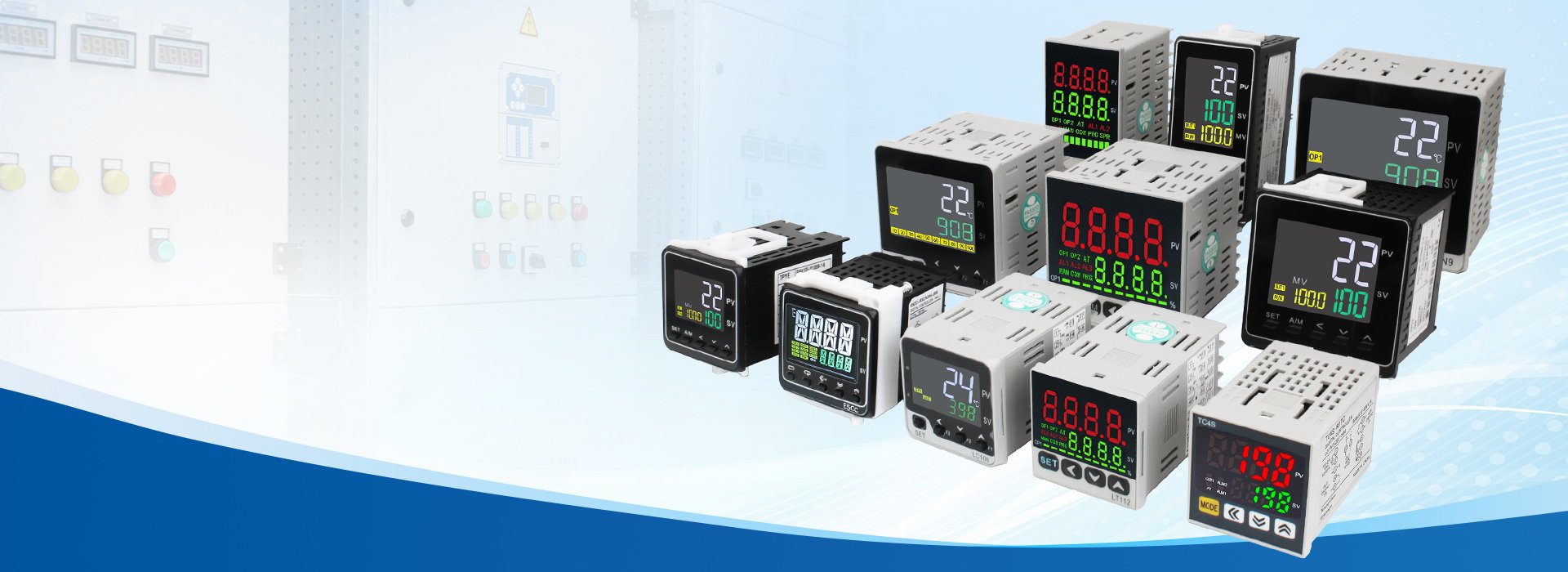
LCTC is a manufacturer specializing in the development and production of temperature controllers for various applications in industrial automation. Based on over a decade of manufacturing experience and continuous investment in research and development, we offer tempering solutions distinguished by stable performance, flexible configurations, and long-term availability.
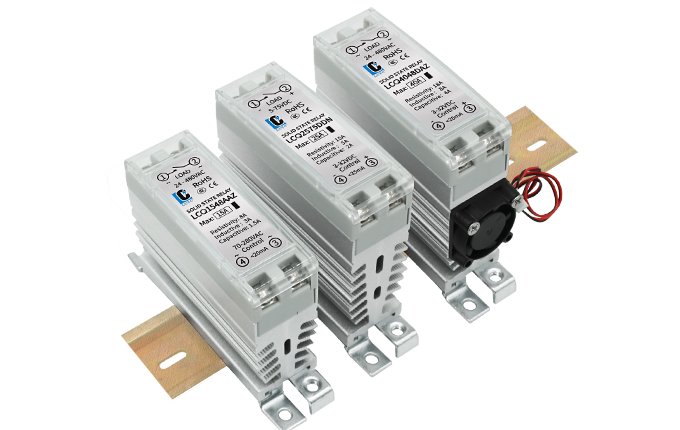
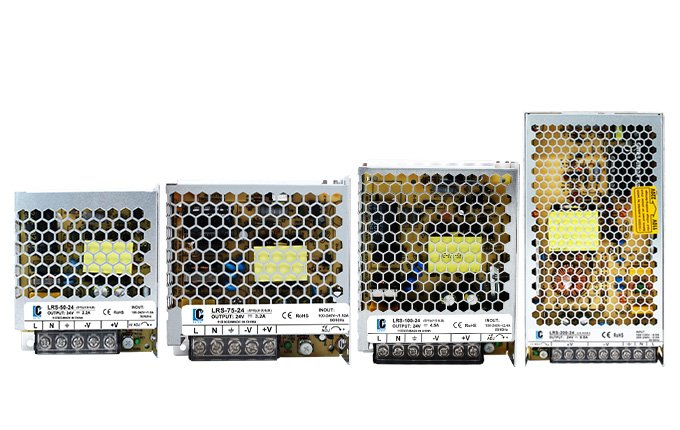
Except for the temperature controller, LCTC also offers solid state relay, switching power supply, temperature controller, thermocouple, sensor, contactor, circuit breaker, rectifiers, and other products. From product development to assembly and testing, the entire manufacturing process undergoes strict process control. Our products ensure consistent quality across different production batches and guarantee that every delivered product meets the same technical standards.
We also offer flexible OEM/ODM solutions to seamlessly integrate the temperature controller into standalone devices or brand-specific systems.
If you are interested in our products, please contact us by email or WhatsApp; we will be happy to assist you with product selection and provide technical support.
Product By Features
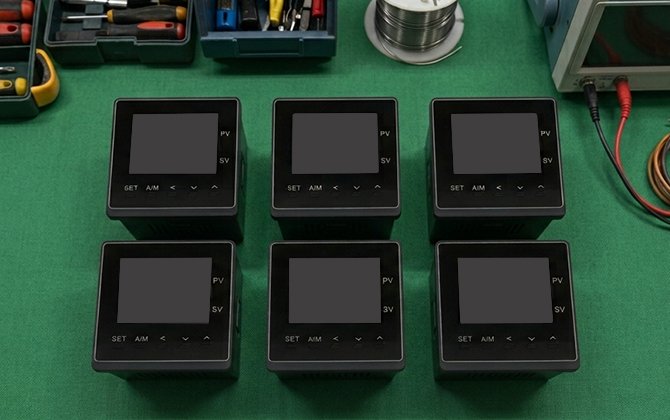
LCTC offers five temperature controller models to choose from.
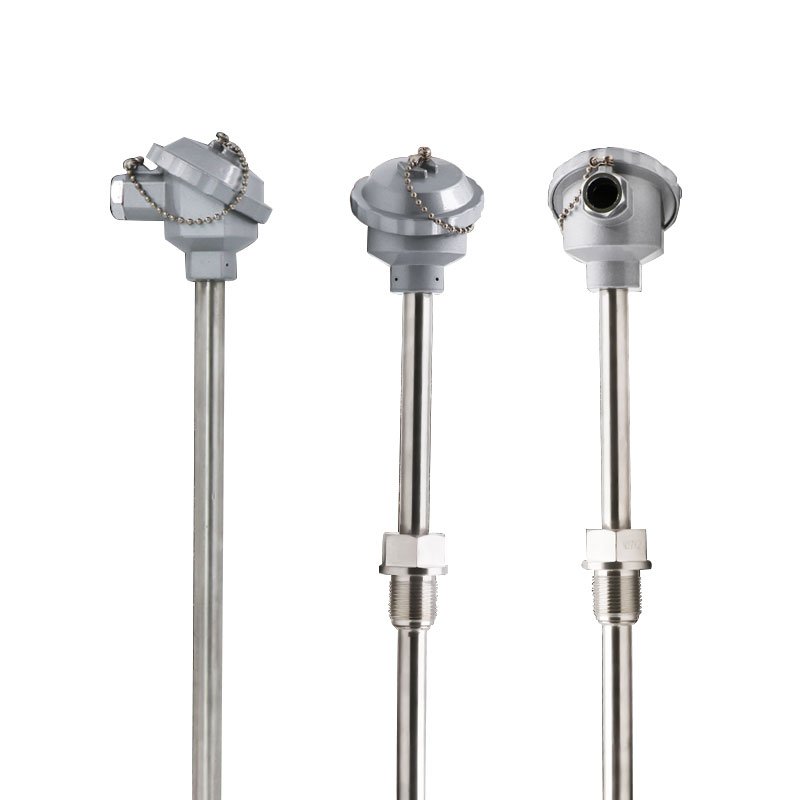
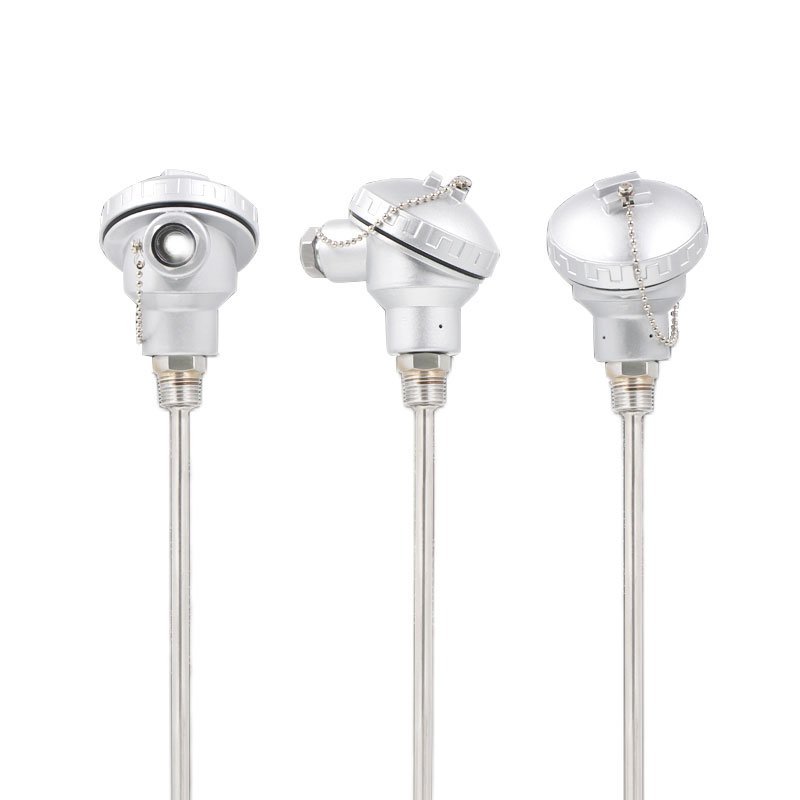
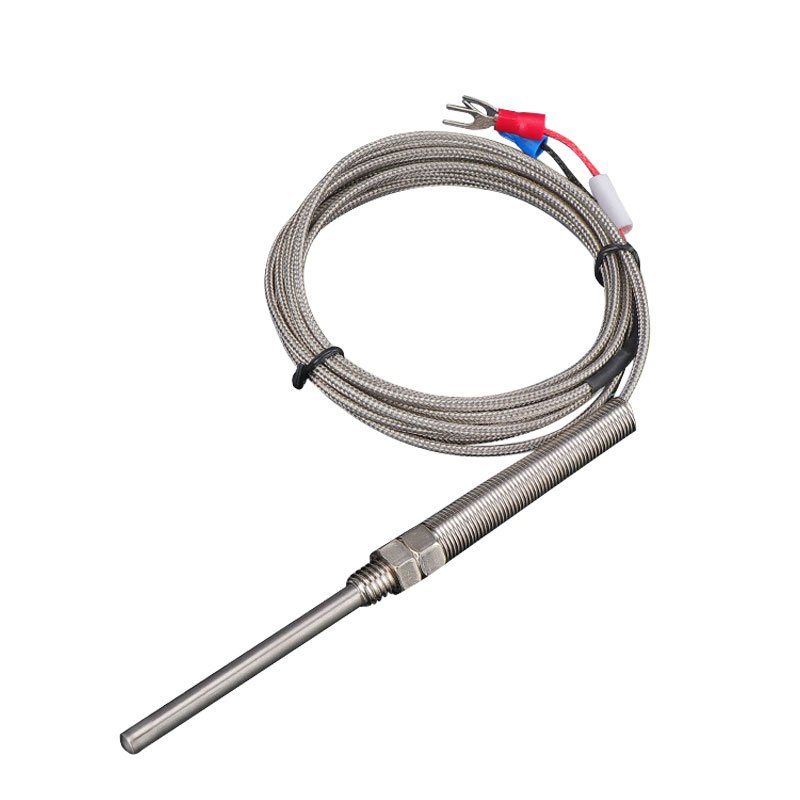
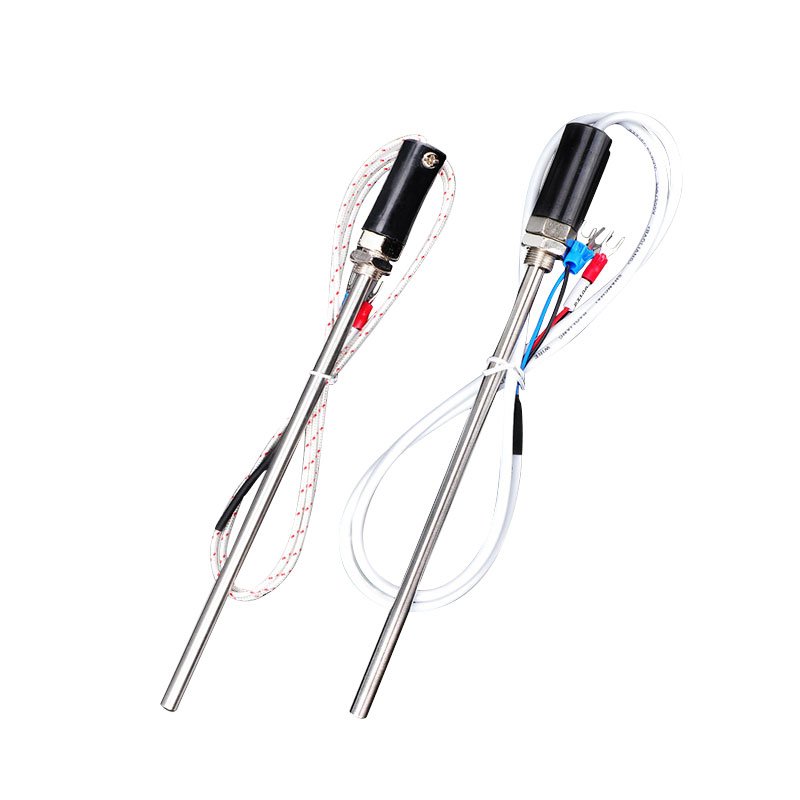
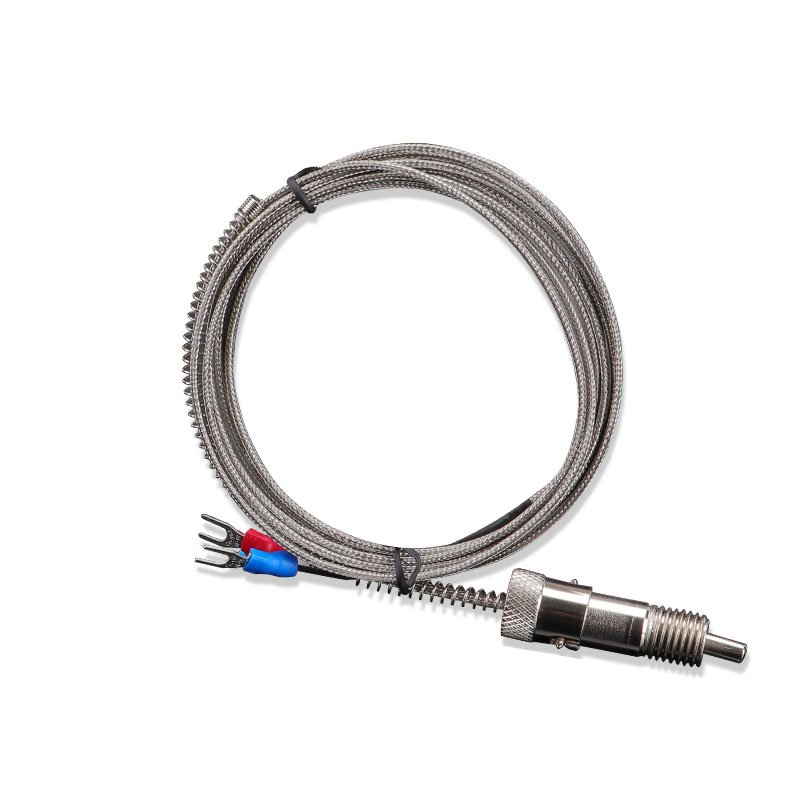
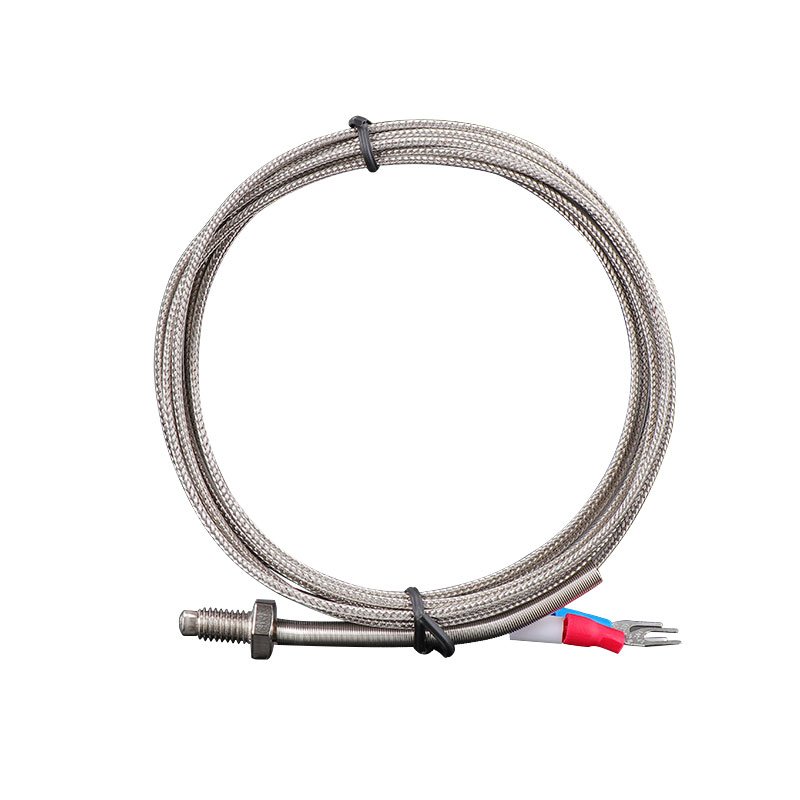
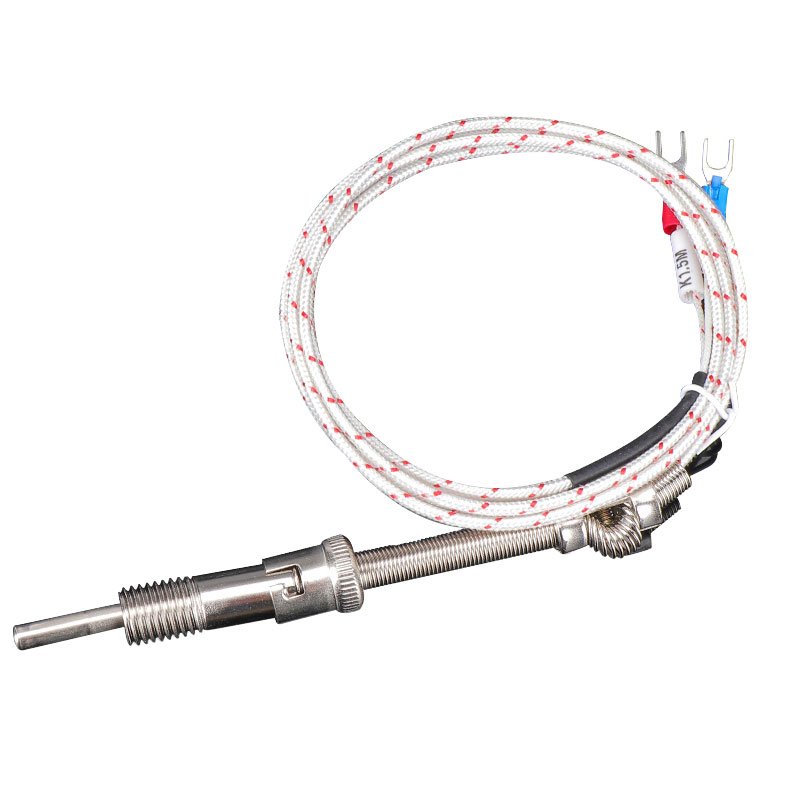
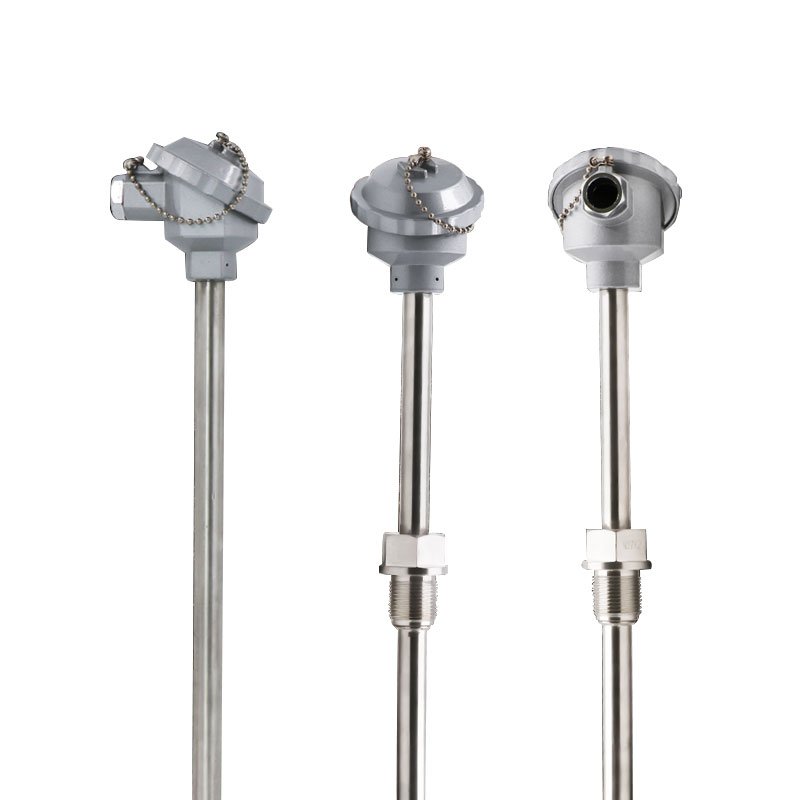
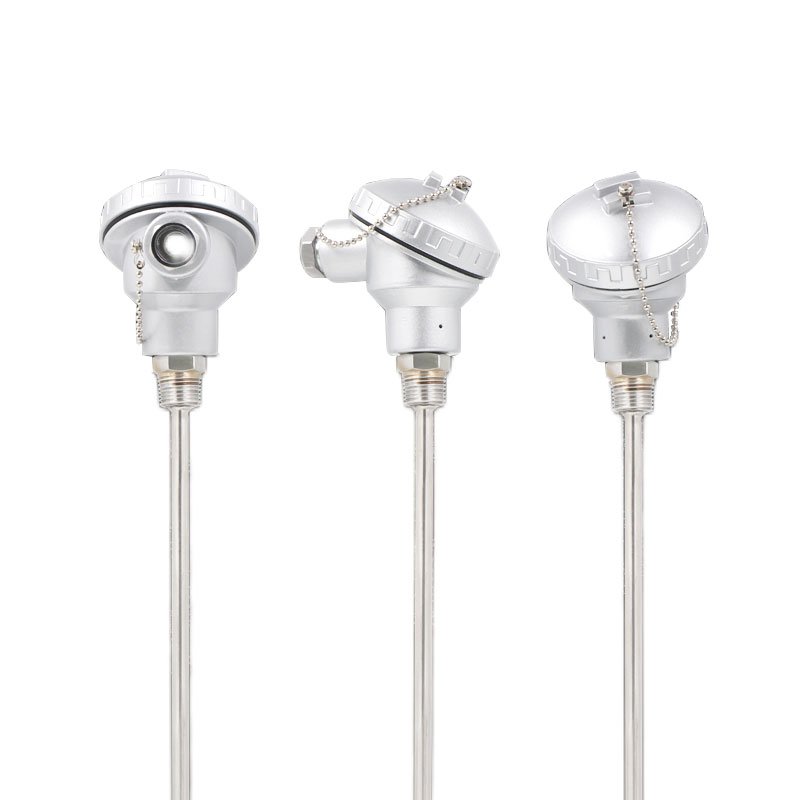
Feature of Temperature Controller
The LCTC temperature controller offers numerous advantages and is designed to provide you with reliable temperature control.

This is one of the essential performance specifications of the LCTC temperature controller; it employs an advanced PID control algorithm to effectively minimize overshoot and oscillations, and dynamically adjusts heating or cooling output to ensure the temperature remains constant within the target range.

When the system experiences temperature fluctuations due to factors such as load changes or variations in outdoor temperature, the LCTC temperature controller quickly detects these changes and immediately adjusts the output power, ensuring that the temperature rapidly returns to the set range.

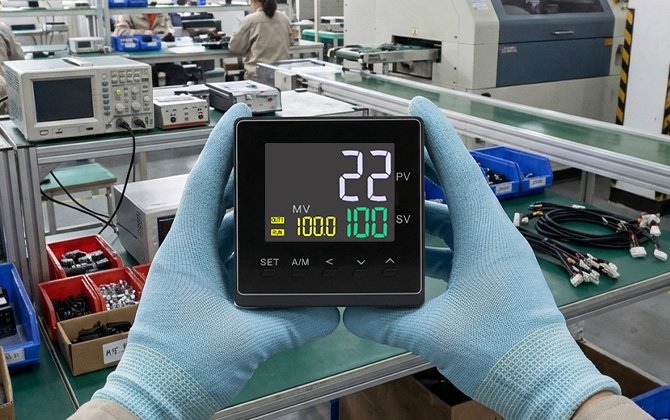
The LCTC temperature controller displays both the process variable (PV) and the set value (SV); this dual display allows for quick and accurate monitoring of key data, reducing the risk of reading errors and improving efficiency.

Temperature regulators are often operated near high-power devices that generate strong electromagnetic interference. The LCTC temperature controller effectively suppresses such disturbances, preventing issues such as fluctuating temperature readings, faulty control output signals, and system malfunctions, thereby ensuring stable temperature regulation.
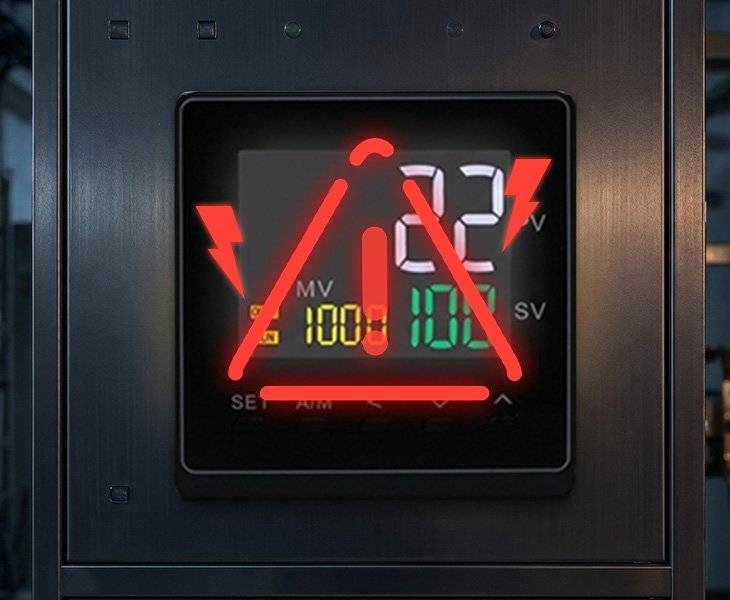
The Alarm Function Enhances Device Safety
The alarm function primarily serves protection and process monitoring; during plant operation, it activates signal devices, warning lights, relays, PLC inputs, or automatic shutdown mechanisms, enabling personnel to detect irregularities early and reduce the risk of equipment damage. The temperature controllers in the LCTC series (LT, LC, PMA, and E5CC) are equipped with dual alarm protection functions, providing more flexible control methods. It can simultaneously monitor two different abnormal conditions or implement stepwise alarms for a single abnormal condition, thereby enhancing the safety and stability of the system; common applications include high- and low-temperature alarms.
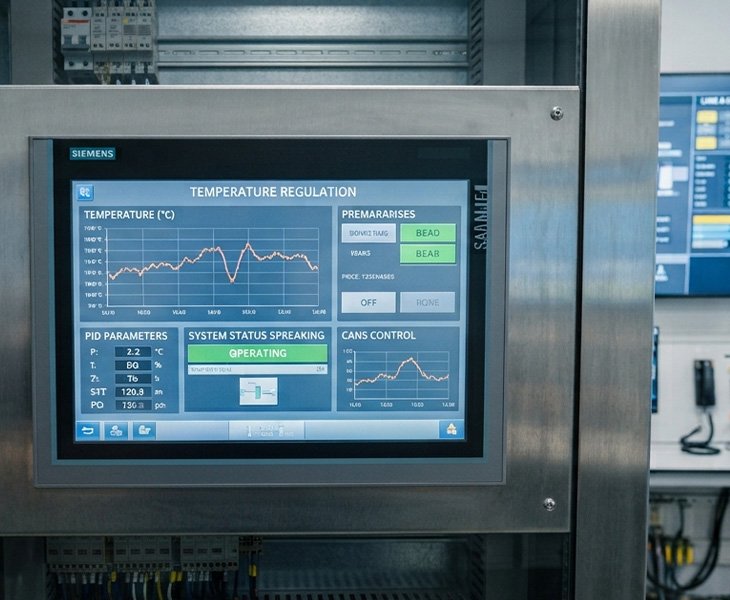
RS485 Enables Convenient Centralized Remote Management
RS485 communication is a serial communication standard with high noise immunity and long transmission range. It enables data exchange with PLCs, HMI touchscreens, industrial PCs, and SCADA monitoring systems via industrial protocols such as Modbus and RTU, thereby facilitating remote monitoring and centralized management. LCTC temperature controllers, including the LT, LC, and PMA series, support remote monitoring, centralized control, data acquisition, and system integration via RS485. For example, engineers can directly retrieve real-time temperature data, adjust setpoints, and log historical operational data via the PLC or monitoring software in the control room without needing to access field devices, thereby significantly improving work efficiency and reducing maintenance costs.
Temperature Controller Resource Download
Precise Temperature Control Supplier from China
LCTC provides comprehensive technical support, including wiring instructions, assistance with parameter configuration, and troubleshooting after purchase. Our goal is not only to provide you with products, but also to support you in successfully developing stable and efficient temperature control systems for real industrial applications. LCTC continues to strive for offering high-quality products and services, serving as a trusted partner for industrial collaboration and as a reliable, long-term partner.
Application of Temperature Controller
Thanks to features such as versatile input and output compatibility and fast response time, the LCTC temperature controller is suitable for a wide range of industries and application scenarios.
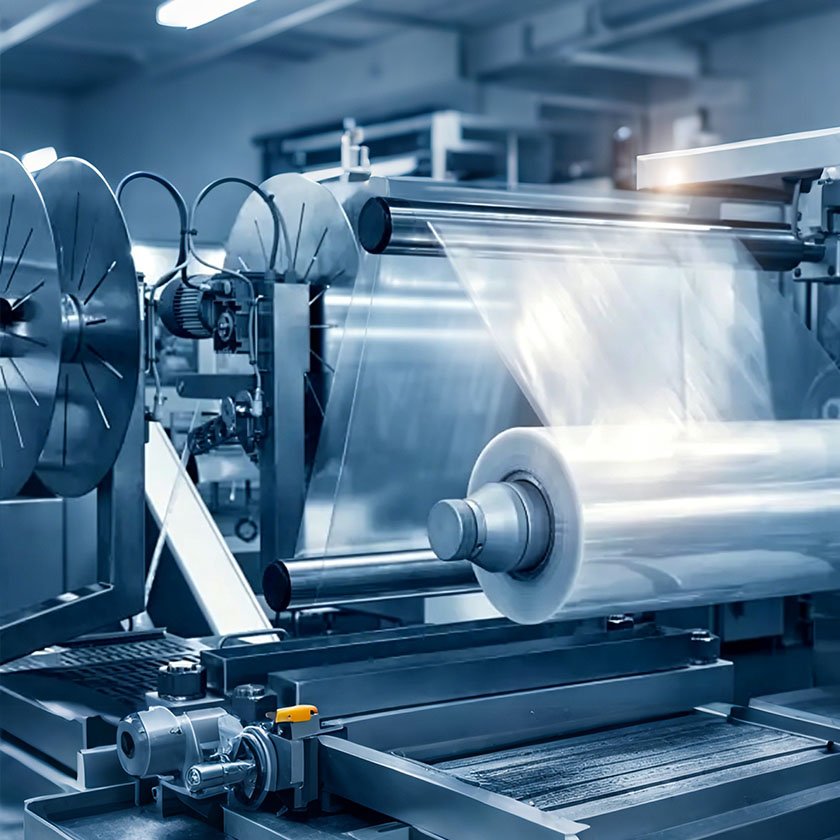
Thanks to its high precision and fast response, the LCTC temperature controller ensures temperature stability and minimizes overheating and fluctuations. It is widely used in the plastics and rubber industries, with typical applications including injection molding machines(IMM), blow molding machines, and plastic drying systems.
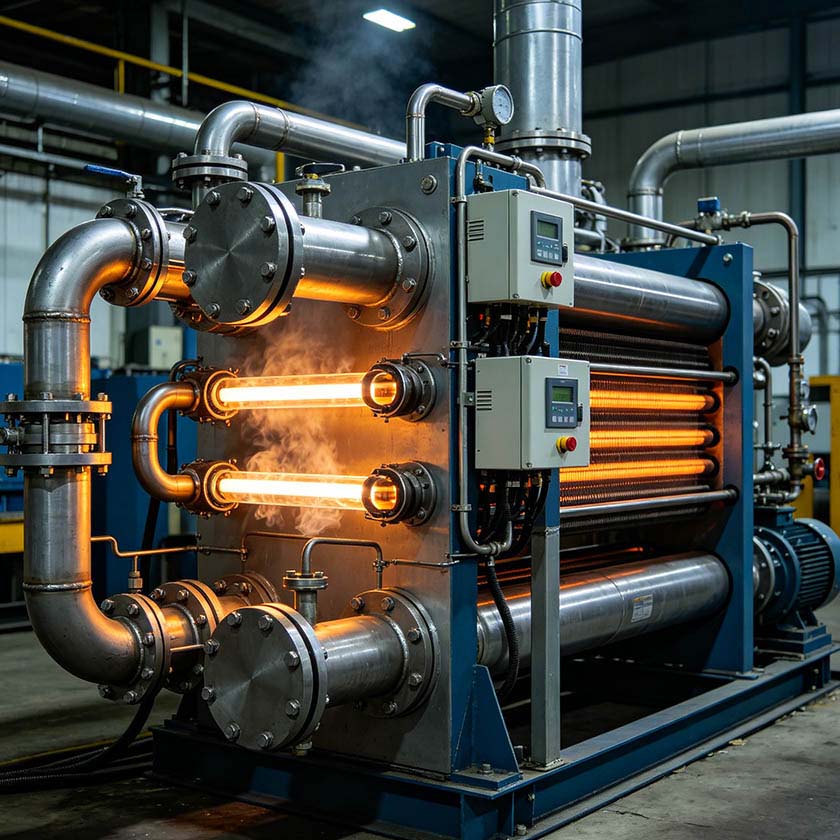
In this industry, extremely high stability is required at high temperatures; even minor fluctuations can slightly affect the material’s hardness and structural properties. Due to the highly precise PID control of the LCTC temperature controller, temperature fluctuations are minimal and the temperature profile remains stable; therefore, it is frequently used in applications such as annealing furnaces, quenching furnaces, industrial furnace and kiln.
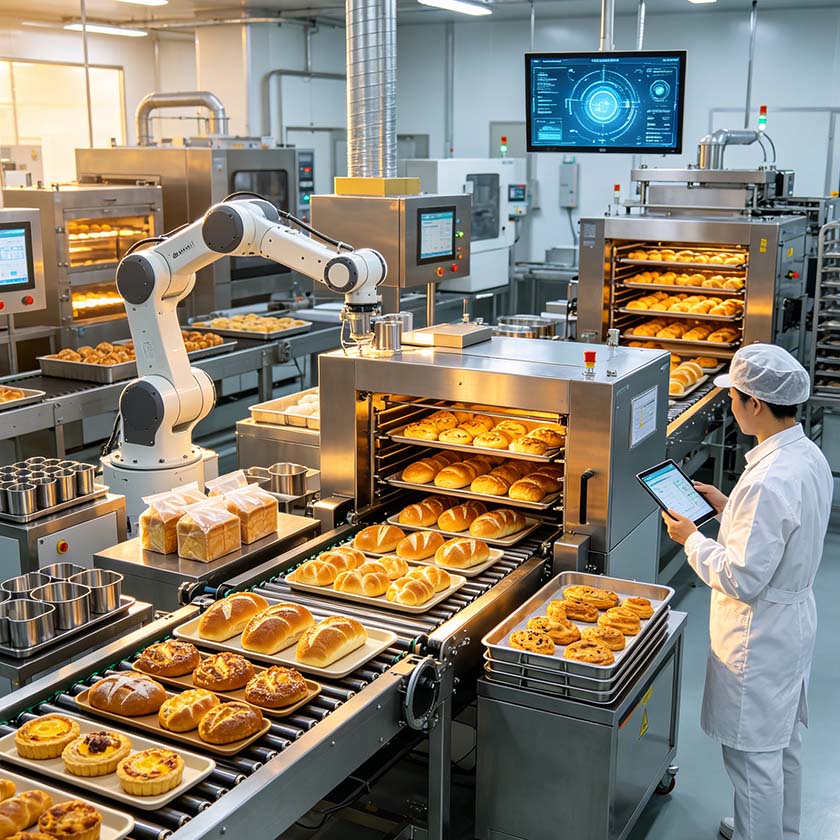
In this industry, temperature fluctuations can easily affect product quality and even raise concerns about food safety; however, precise temperature control provided by LCTC temperature controllers ensures stable heating conditions in processes such as baking and sterilization. The common equipment includes baking oven, drying equipment, sterilization equipment, fermentation tank.
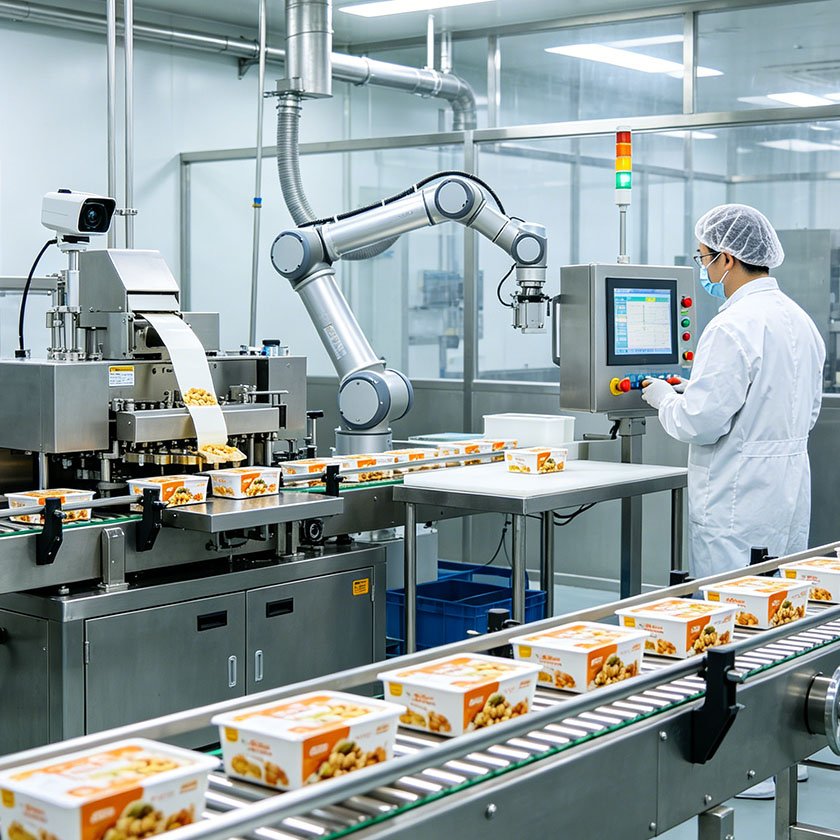
Fluctuating temperatures can easily lead to issues such as inadequate sealing, leaks, or damage to packaging materials; however, the LCTC temperature controller effectively prevents these problems thanks to its high stability and precise temperature regulation. Typical applications include heat sealing machines and shrink wrapping machines.

Testimonials
Injection molding machines equipped with LCTC temperature controllers offer excellent temperature stability and consistent SSR output response, significantly reducing our scrap rate. The installation proceeded smoothly, and LCTC also assisted us in quickly fine-tuning the PID parameters.
Maintenance EngineerThe LCTC temperature controller ensures reliable operation even in high-temperature environments and areas with high susceptibility to disturbances. We use it in our heat treatment ovens; the possibility of remote monitoring is extremely practical and has significantly improved our work efficiency.
Senior Electrical EngineerThe LCTC temperature controller operates extremely stably in back ovens; the dual-display design facilitates data monitoring, and we are also very satisfied with the alarm system—the entire user experience is characterized by high reliability.
Production Manager
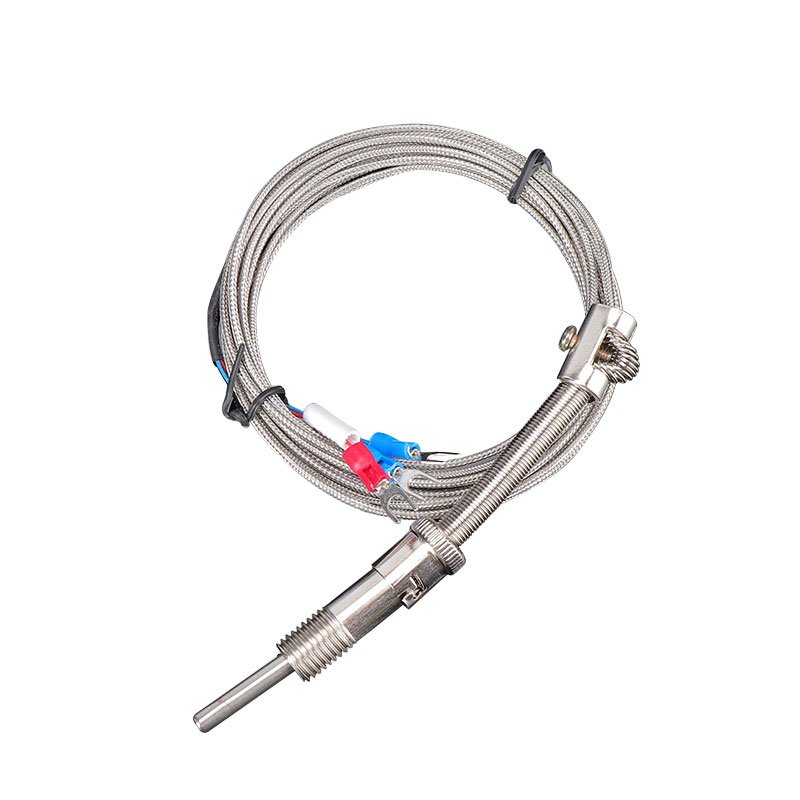
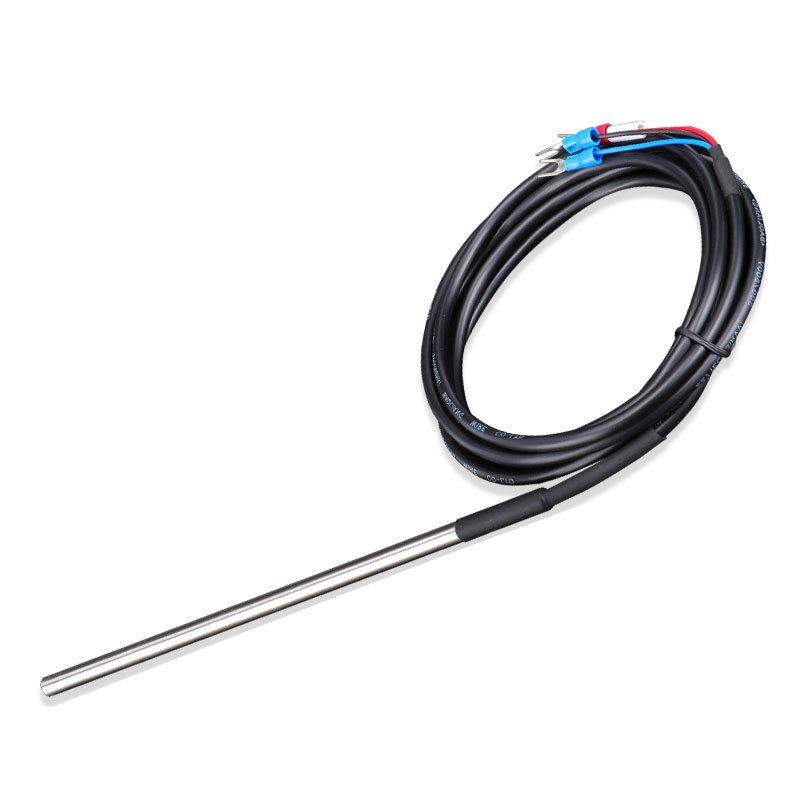
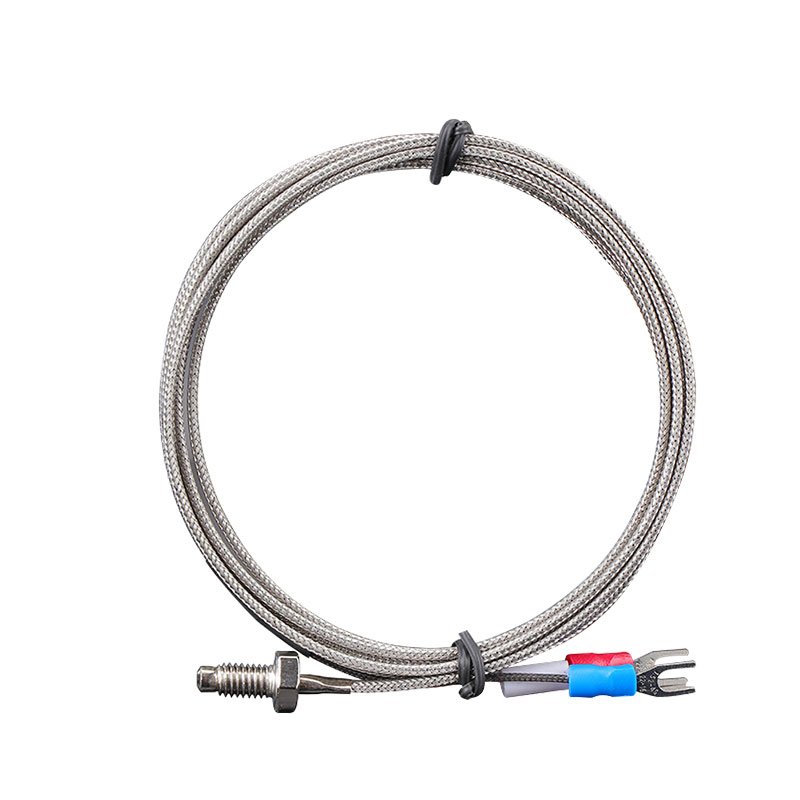
Generally speaking, the LCTC temperature controller supports thermocouples (K, J, E, T, and S types) and RTD sensors such as PT100, Cu100, and Cu50. Selected models can also accept standard industrial analog signals, including 0-5V, 0-10V, 1-5V, and 4-20mA inputs.
Selecting the right temperature controller requires consideration of several key factors, such as input type, output type, control accuracy, alarm requirements, and communication capabilities.
If you are unsure which model is suitable, please provide details such as sensor type, operating temperature range, load type, and communication requirements; our technical team will then recommend the controller best suited for your application.
A single-stage alarm merely indicates an anomaly, while a two-stage alarm provides insight into the severity of the issue: stage 1 indicates a disturbance warning, whereas stage 2 signifies protection against losses. Two-stage alarms enhance system safety and reduce downtime.
Manual adjustment of P, I, and D parameters is not required; the system automatically determines the optimal settings based on your heating configuration. This results in faster installation and commissioning, more stable control, and reduced overshoot, saving setup time and improving control stability.
It allows the temperature controller to be connected to PLC, HMI, or SCADA systems via Modbus RTU, enabling real-time remote temperature control and centralized management of multiple units, facilitating integration into automation systems; additionally, data logging supports process analysis.
What is Temperature Controller?
A temperature controller is an electronic control device that continuously monitors the temperature of a system and automatically adjusts heating or cooling output to maintain a stable setpoint temperature. Temperature controllers are widely used in industrial automation; in most industrial systems, temperature fluctuations can directly or indirectly affect production results. These controllers counteract this by functioning as control devices that connect temperature sensors to heating systems. It controls the heating system and other equipment by performing calculations based on the deviation between the sensor’s measured value and the setpoint.
How does Temperature Controller Work?
Let’s explore the temperature controller working principle together.
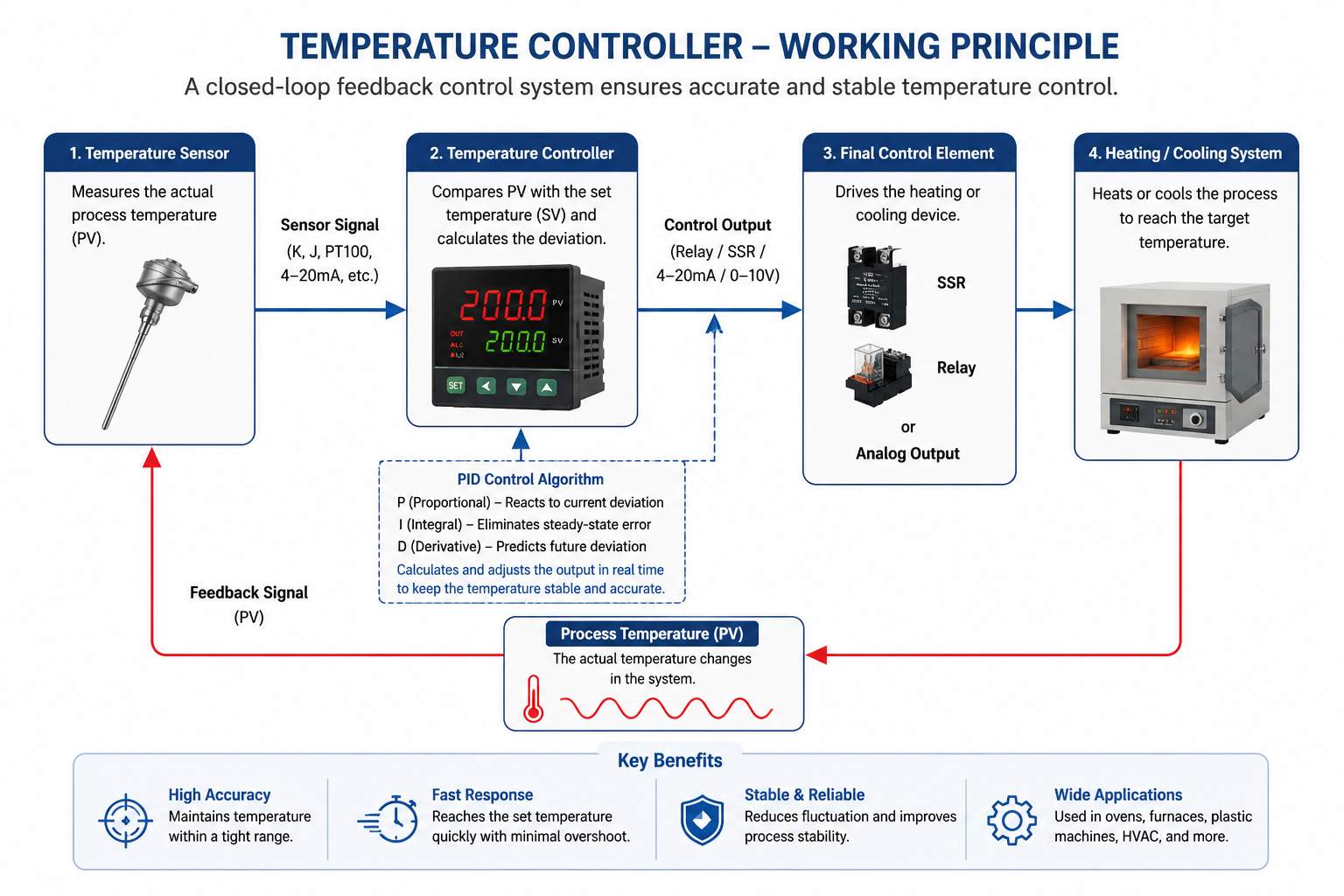
First, the temperature controller continuously measures the set temperature, the process variable (PV), within a closed control loop and sends the signal to the controller; at the same time, the user sets a desired value, referred to as the set value (SV).
The temperature controller compares the difference between the actual value (PV) and the setpoint value (SV); this difference is generally referred to as deviation or control error. If the actual value (PV) is lower than the set value (SV), the heating system’s power output is increased; if the actual value is higher, the power is reduced or even completely shut off. However, it should be noted that this is not a simple on/off process, but rather the controller calculates the control variable based on the deviation from the set point.
To achieve a more precise and stable control, most temperature regulators today use the PID control algorithm: the P term determines the response rate, the I term eliminates residual control error, and the D term suppresses overshoot to enhance stability. This approach enables real-time calculations and adjustments with rapid response, minimizing temperature fluctuations.
Depending on the specific application requirements, the temperature controller output can be designed as a relay, semiconductor relay, or analog signal (e.g., 0-10 V or 4-20 mA) for controlling external heating devices.
Common Temperature Controller Problems and Solutions
Temperature controllers may occasionally encounter issues during operation; common problems include the following:
1. Temperature Overshoot
The temperature exceeded the setpoint before stabilizing, which is due to an incorrect PID parameter tuning, specifically, an excessively P too high or D too low. Alternatively, the cause could be excessive heating power for the system or a delay in sensor response affecting the measured actual temperature value.
You can optimize the sensor’s installation position by placing it closer to the heating zone, and adjust the control parameters by reducing the P-gain, increasing the D-term, and applying a slower or stepwise heating process.
2. Temperature Oscillation
This problem manifests as the temperature keeps going up and down around SV; it may be caused by P gain too high, I term too aggressive, or poor system thermal inertia balance.
You can resolve the above issues by reducing P gain, increasing integral time, adding filtering or increasing thermal buffering, retune PID parameters
3. Slow Response
This problem manifests as the system taking too long to reach setpoint; it may be due to heater power too low, the P gain too small, large thermal mass.
You can try increase P gain, use higher power heater, optimize insulation to reduce heat loss to solve the problem.
4. Steady-State Error
This issue manifests as temperature stabilizes but never exactly reaches SV; possible causes include I too weak or disabled, constant heat loss in system.
You can take measures such as increase I gain, enabling integral control if OFF, improving insulation, and reducing environmental heat loss.
5. Sensor Failure or Wrong Reading
This issue manifests as displayed temperature is wrong or unstable, which may be caused by thermocouple/RTD wiring issues, electrical noise interference, sensor aging or damage.
You can resolve this issue by checking wiring polarity and connections, using shielded cables replace faulty sensor, and ground system properly
6. Output Not Working
This issue manifests as the controller is active but the heater does not respond.Possible causes include a faulty relay or SSR, output configuration, or a disconnected load.
To resolve this issue, you can take measures such as manually testing the relay or SSR to verify proper functionality, checking the output mode consistency, and inspecting the heating system wiring.
7. Hunting in Low Load Systems
This issue manifests as small systems showing rapid switching or instability; possible causes include heater too powerful relative to system size, ON/OFF control instead of PID, and poor tuning for low thermal mass.
You can resolve this by using a PID control instead of a simple on/off regulation, reducing heating power, extending cycle times, or taking similar measures.