
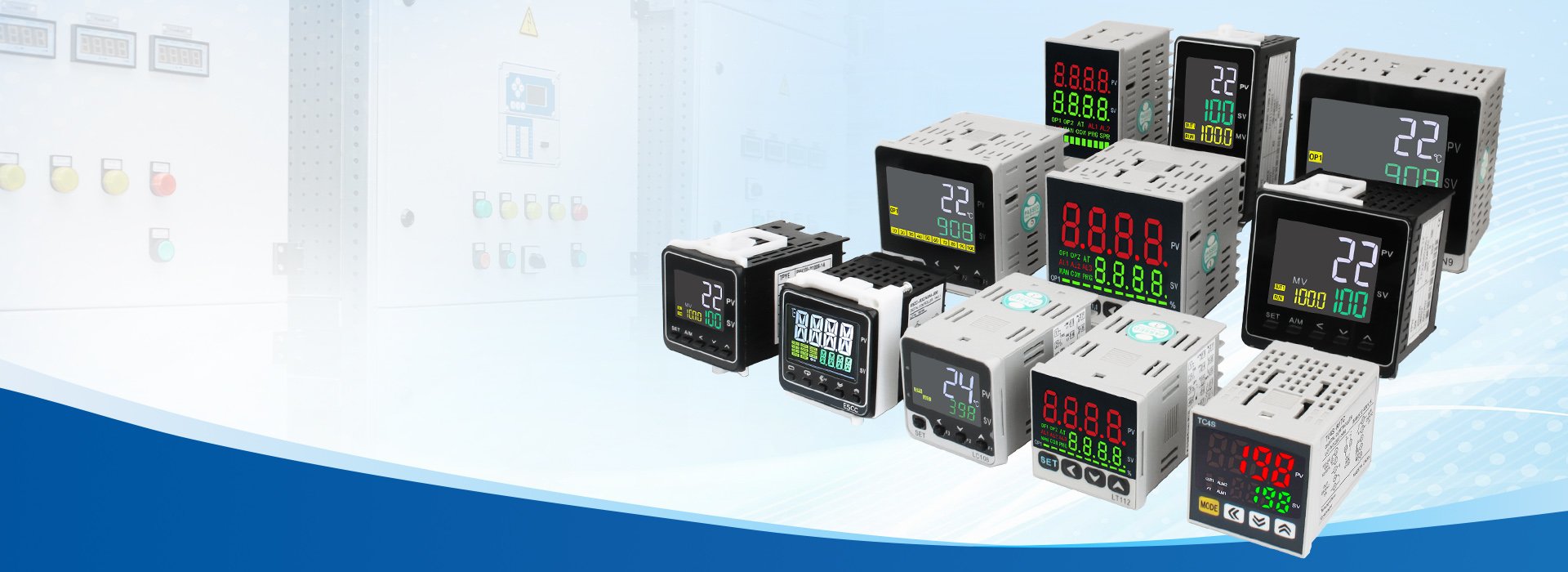
24V Temperature Controller for PID Temperature Control System
LCTC is a professional manufacturer specializing in electrical components, with decades of experience dedicated to providing you with high-quality products and services. Our 24V temperature controller ensures high-precision PID algorithm control even under low-voltage conditions, maintaining stable performance. In industrial automation and temperature control systems, stability and safety are always of the highest priority. Compared to high-voltage power supplies, 24 VDC is more widely used, safer, and easier to integrate into modern automation systems.
LCTC conducts strict quality control from the start of production; each unit undergoes thorough inspections before leaving the factory and holds international certifications such as CE, minimizing the risk of product failure and ensuring safe operation.
If you are interested in a 24V DC temperature controller, please contact us immediately for product specifications and technical support; we will gladly assist you with your selection and provide an extremely attractive offer.
Product By Features
LCTC offers five 24V temperature controller models to choose from.
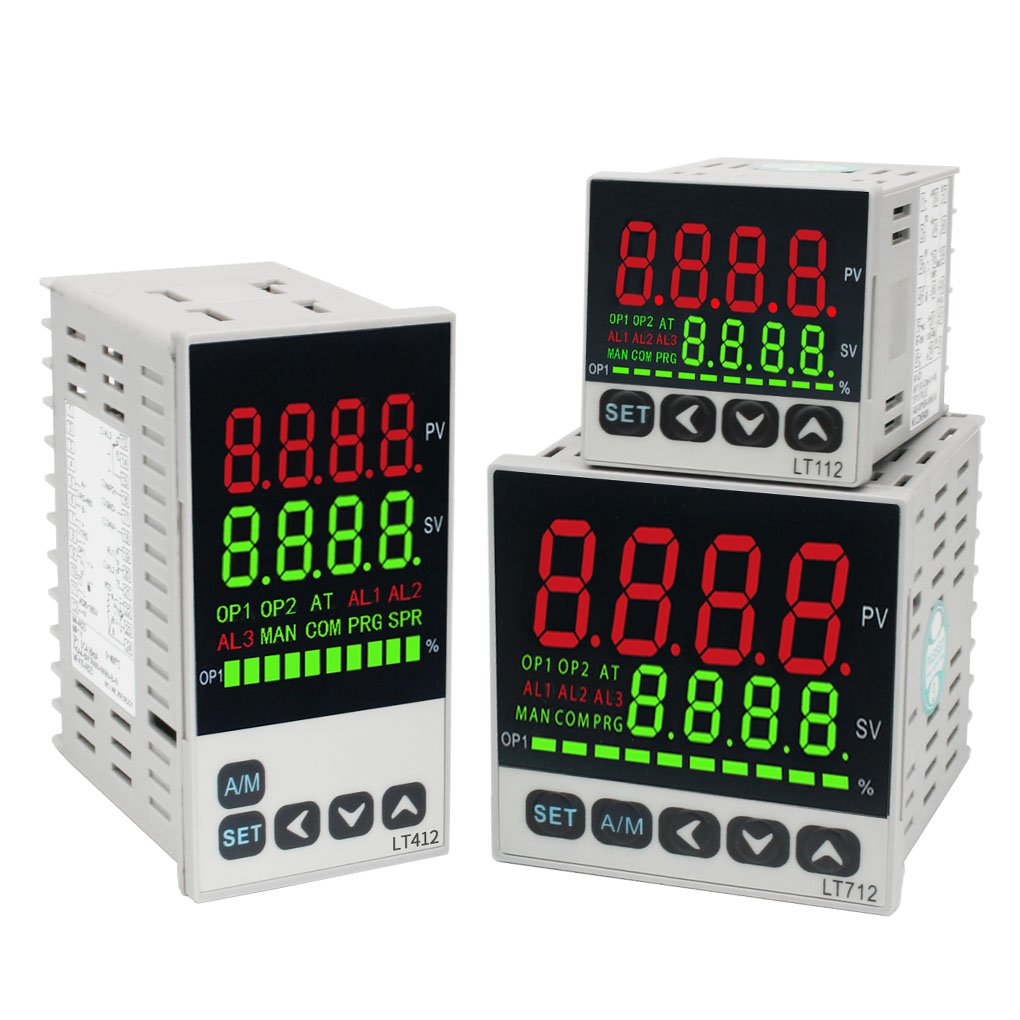
Supports multiple inputs and outputs, features alarm functions and RS485 communication, and is available in various sizes, including 5 models.
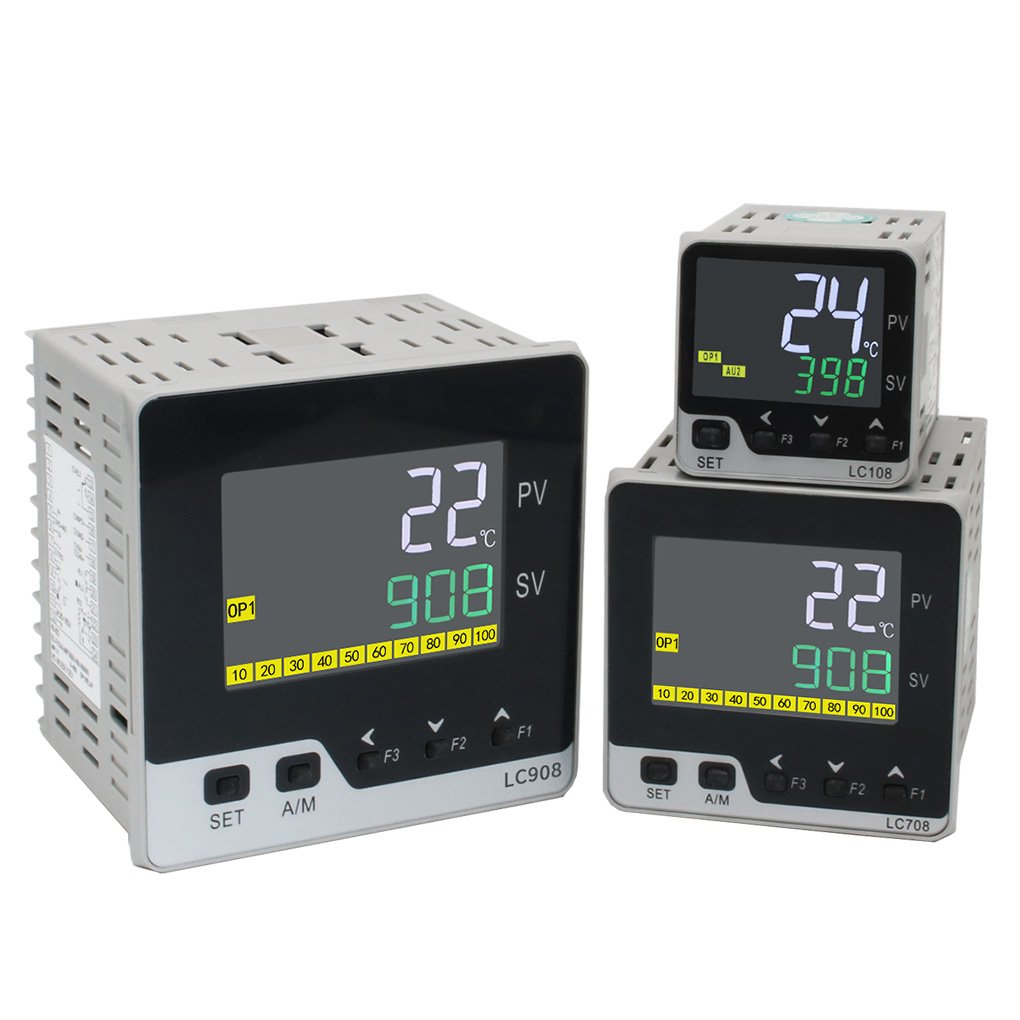
Supports various inputs and outputs; features alarm functions and RS485 communication; available in multiple sizes, including 4 models.
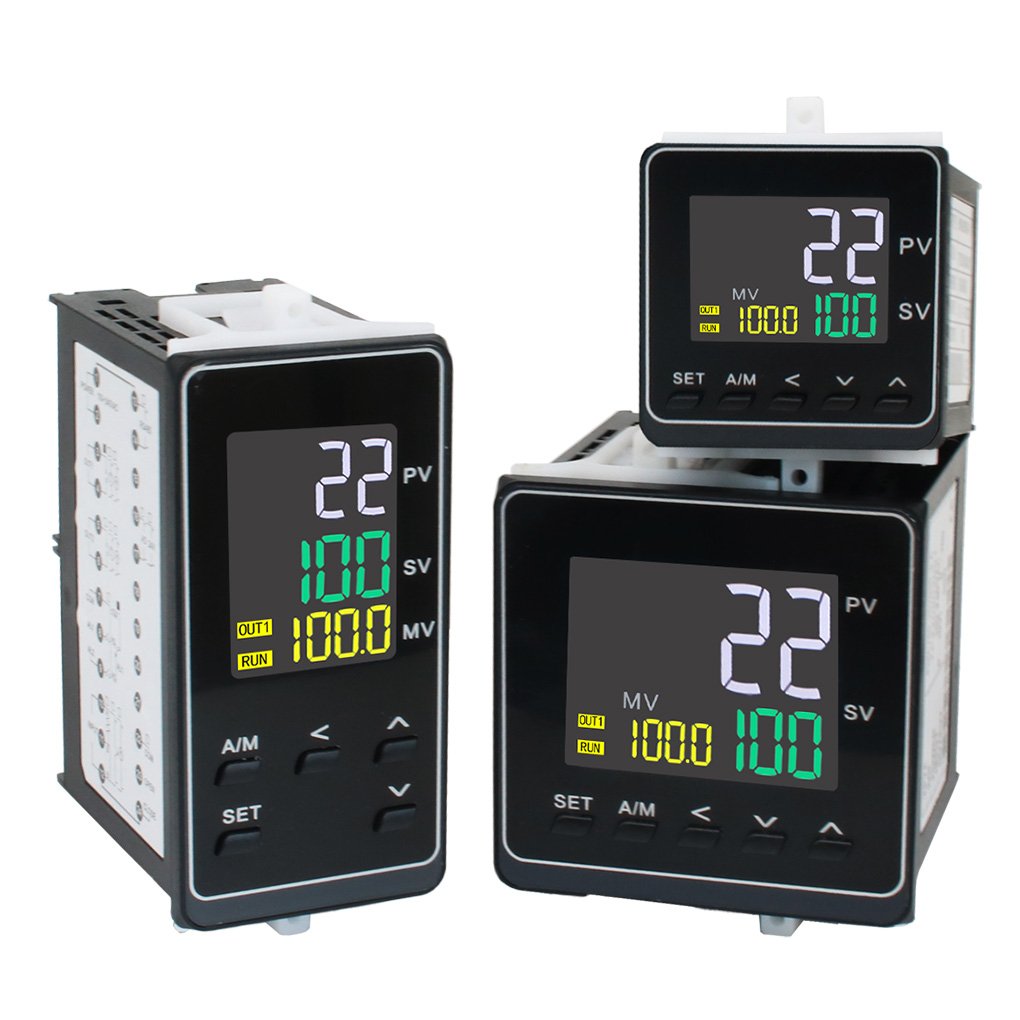
Supports various inputs and outputs, features alarm functions and RS485 communication, and is available in different sizes, including 4 models.
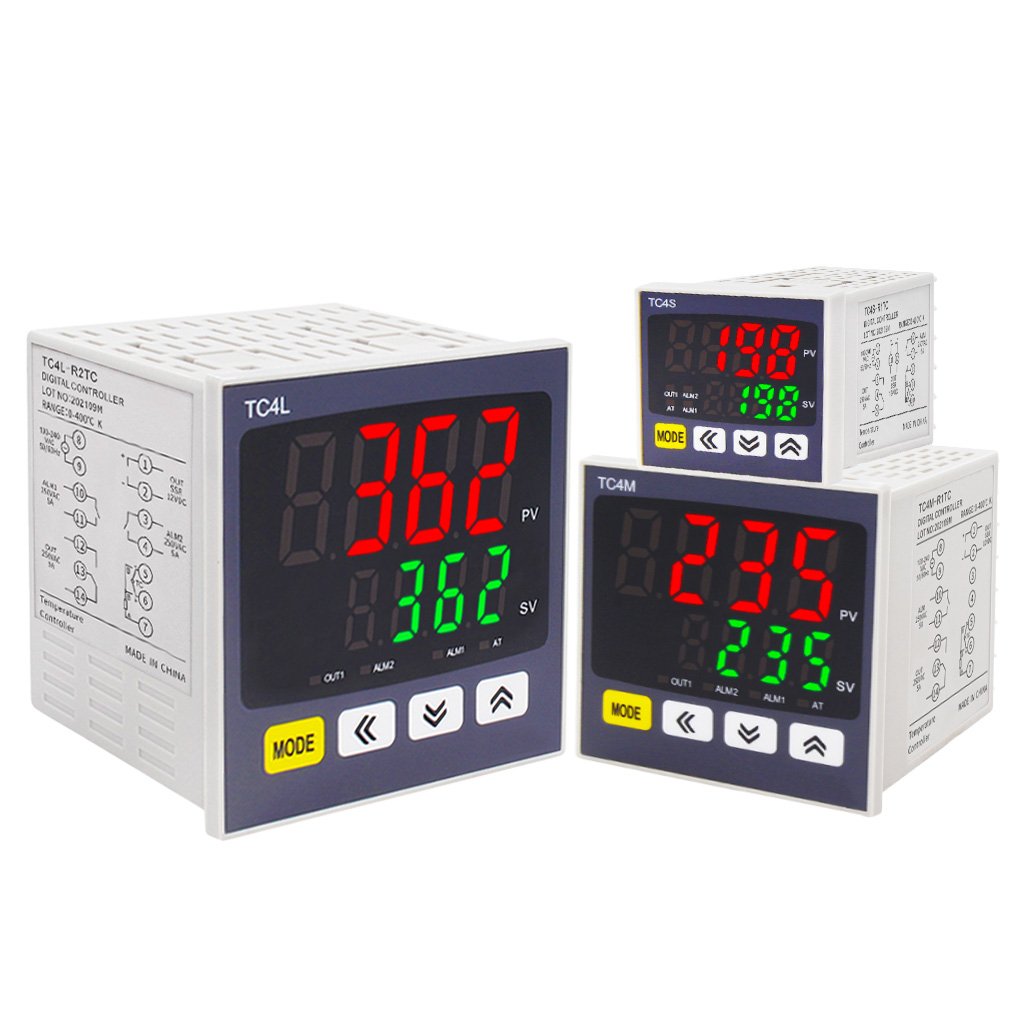
Supports various input and output sizes; available dimensions include 5 models.
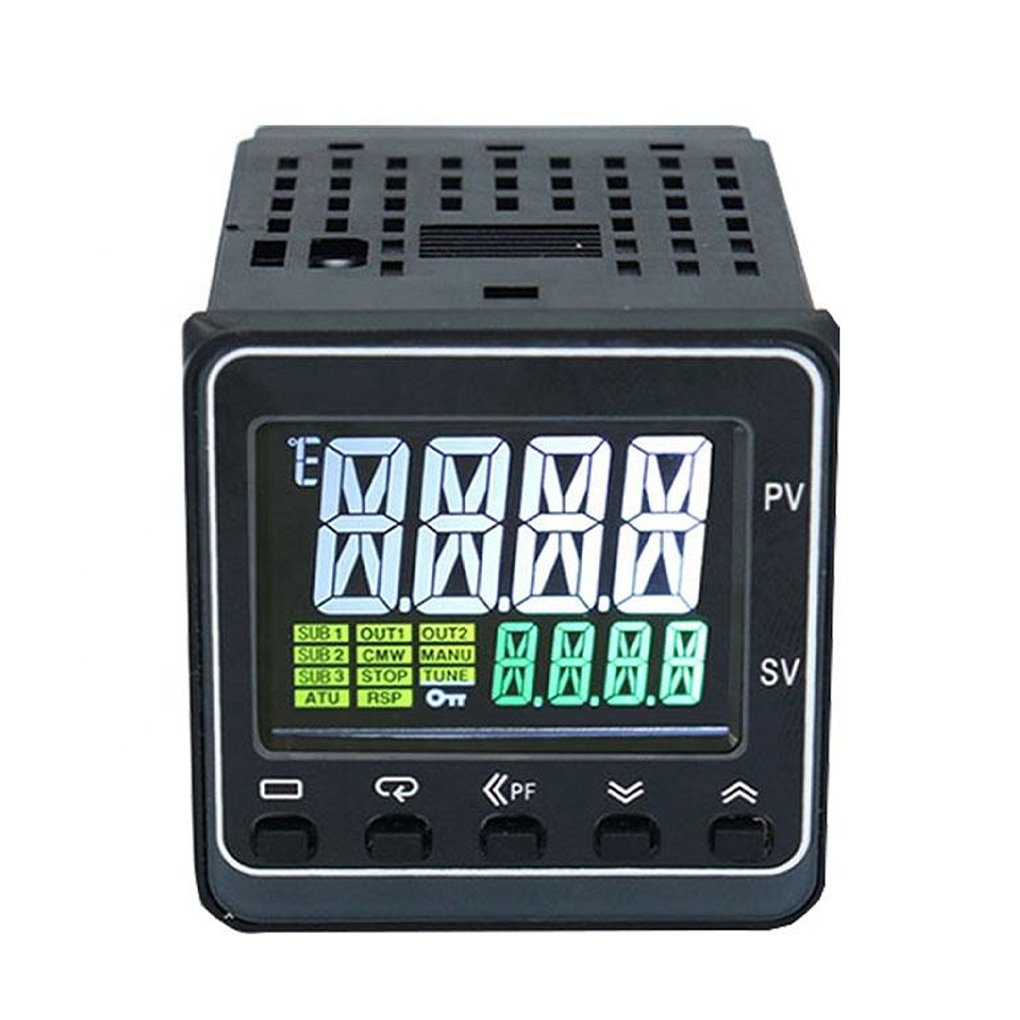
Supports multiple inputs and outputs, features an alarm function, and has dimensions of 48 x 48 mm.
Feature of 24V Temperature Controller
The LCTC 24Vtemperature controller offers numerous advantages and is designed to provide you with reliable temperature control.

Most models of the LCTC 24V DC temperature controller are equipped with two alarm functions, significantly enhancing operational safety and closely integrating with the 24V safety low-voltage system. This effectively eliminates many electrical risks and makes operation safer.

Most models of the LCTC 24V temperature controller feature an RS485 interface, which supports remote control, centralized management of multiple units, and data acquisition, significantly simplifying temperature system control and automated processes.

The LCTC 24V DC temperature controller can be directly connected to the input and output terminals of a PLC without requiring additional modules for voltage reduction or galvanic isolation, simplifying wiring and improving suitability for integration into automation systems.

Compared to high voltage systems, the 24V temperature controller provides more stable signals and reduced susceptibility to arc-induced disturbances; it enables particularly stable output control, especially in PID applications and thus minimizes significant temperature fluctuations.
Flexible Input & Output Compatibility
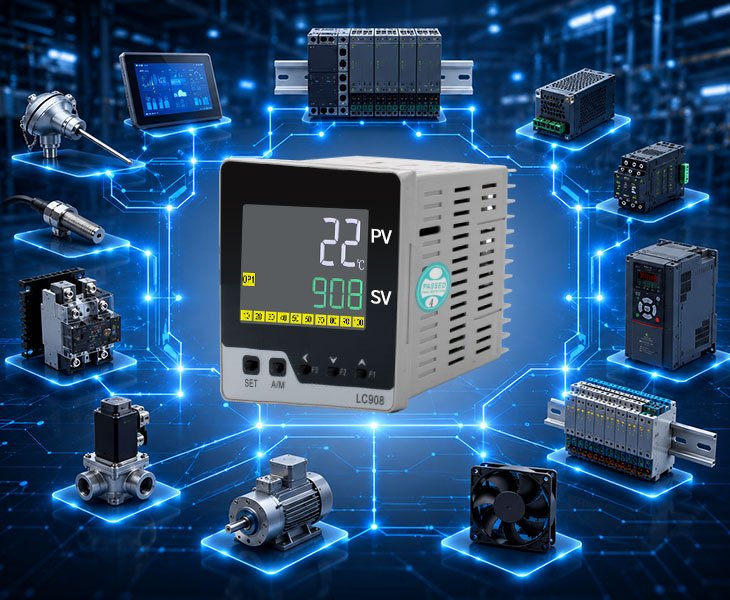
The LCTC 24V temperature controller is compatible with virtually all common sensor types at its input, including thermocouples, RTDs, analog signals, and current signals. Likewise, the 24V DC temperature controller LCTC can practically control all types of output devices, including SSRs, frequency converters (VFDs), PLC systems, and more.
In practice, the LCTC temperature controller eliminates the need to replace other components; it is compatible with existing equipment and requires no new design, enabling simple system integration.
Industrial Standard Voltage Compatibility
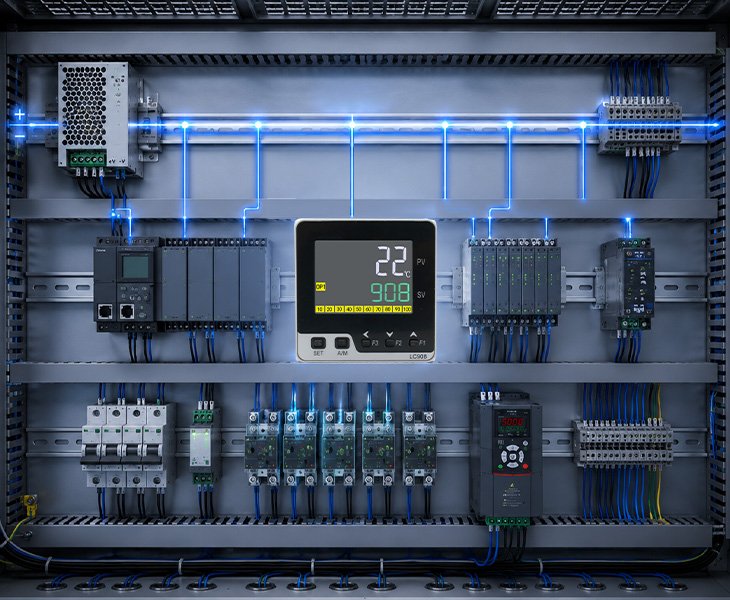
Standardizing to 24V as a uniform voltage for automation systems means that the entire industrial control system, including PLCs, sensors, SSRs, and more, can operate within the same voltage range. A 24V temperature controller can also be directly connected to these control systems, eliminating the need for additional conversions or complex separation concepts. This simplifies the system architecture and reduces wiring complexity, enables seamless integration of temperature control into the overall industrial system, improves equipment compatibility and stability, and ensures rapid implementation in automation projects across diverse countries and industries.
24V Temperature Controller Resource Download
24V Temperature Controller Manufacturer | Industrial PID Controllers
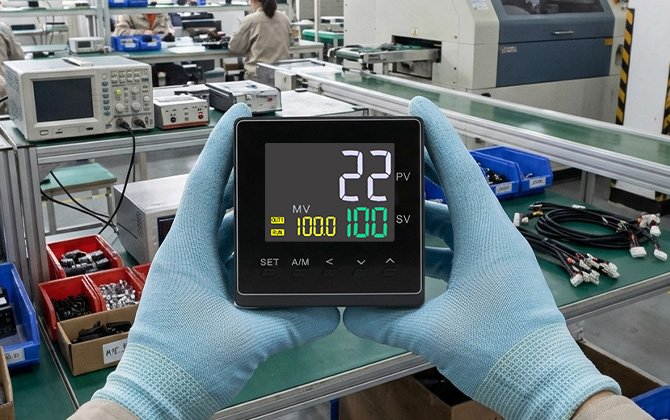
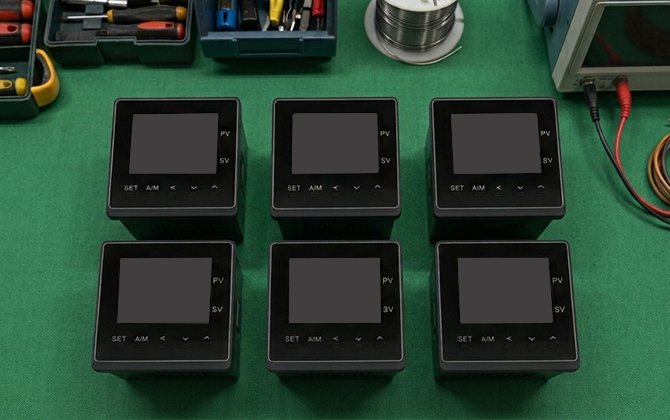
LCTC ensures continuous volume supply and fast delivery, guaranteeing that your project schedules are met. Whether for small-batch testing or long-term OEM/ODM requirements, we offer short lead times and consistent product quality. LCTC continues to strive for reliable temperature control solutions and remains your trusted, long-term partner.
Application of 24V Temperature Controller
Thanks to features such as versatile input and output compatibility and fast response time, the LCTC 24V temperature controller is suitable for a wide range of industries and application scenarios.
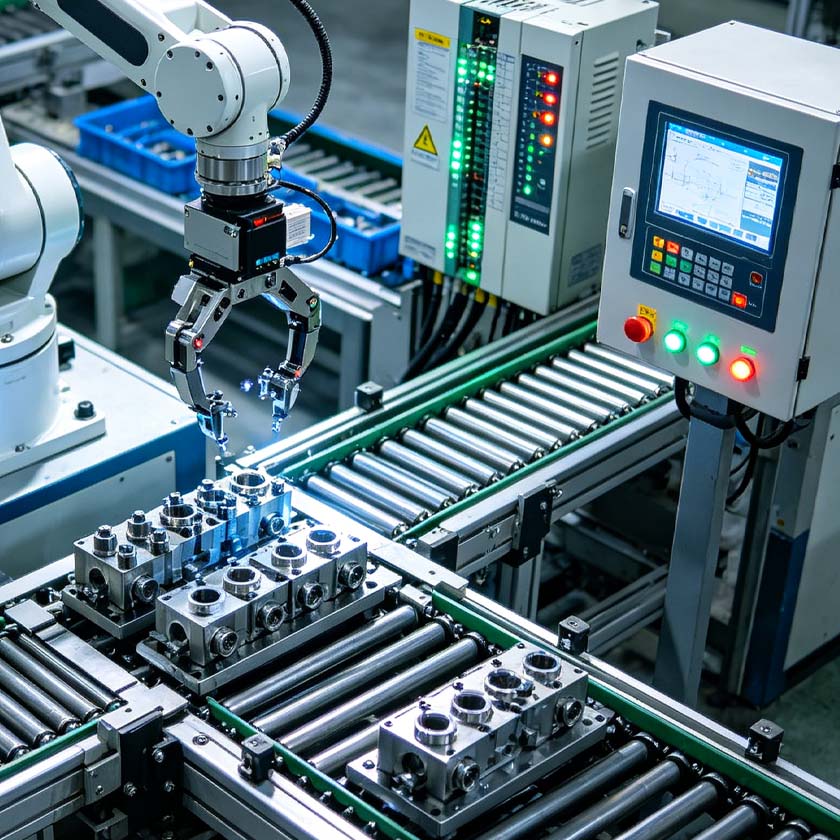
The 24V DC temperature controller supports RS485 communication; its compatibility with common PLC control voltages facilitates system integration and resolves issues related to device compatibility. Typical applications include PLC control cabinets and industrial heating control systems.
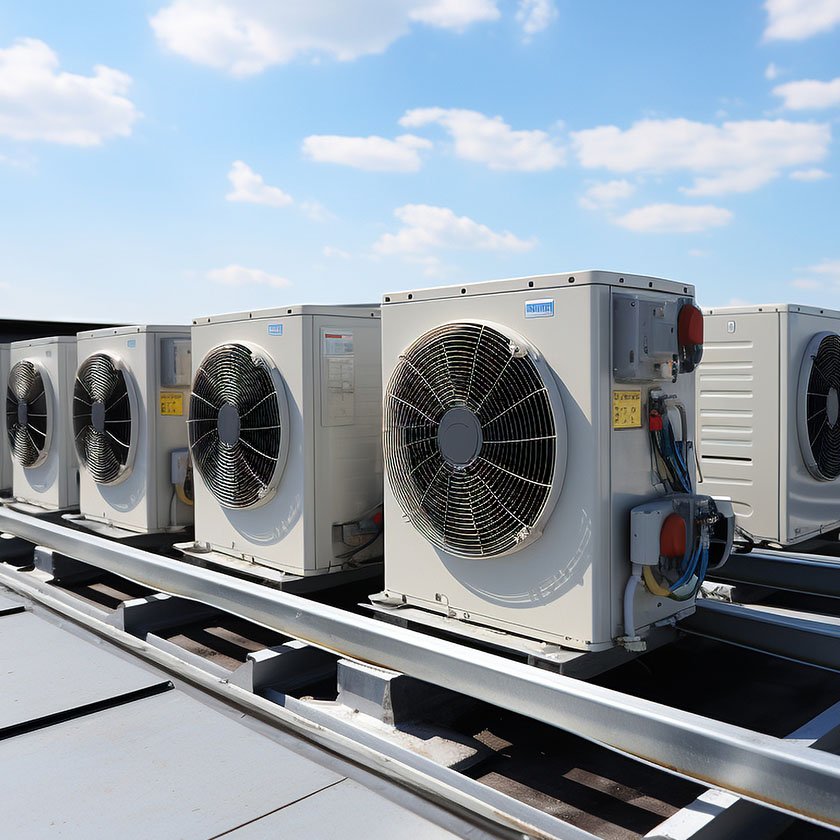
The 24V temperature controller supports PID control, remote operation, and multi-point monitoring via RS485; this effectively minimizes issues such as significant temperature fluctuations and uneven temperature regulation across multiple zones. It is commonly used in central air conditioning control systems, fan-coil unit controllers, and temperature-controlled ventilation systems.

This 24V temperature controller features highly precise PID temperature regulation and supports a wide range of sensor types. It effectively resolves issues such as temperature instability, ambient temperature fluctuations, and significant errors in manual control, making it ideal for applications including various incubation systems and aquaculture systems requiring constant temperature maintenance.

The 24V DC temperature controller supports analog signal inputs and offers advantages such as stable noise immunity, precise temperature regulation, and data logging. It significantly enhances the stability of devices, making it ideal for laboratory or medical applications, such as constant-temperature incubators and laboratory heating equipment.

The 24V temperature controller supports functions such as multi-point temperature monitoring and remote control, effectively addressing issues like uneven temperatures in greenhouses and the inefficiency of manual adjustments. It is ideally suited for applications including greenhouse heating systems, plant growth chambers, and environmental control systems for irrigation setups.

Testimonials
The 24V temperature controller can be easily connected to the PLC system and seamlessly integrates into our overall system. Installation is straightforward, and the PID control function minimizes temperature fluctuations, making it an excellent fit for my production line for heating equipment.
Production ManagerThe LCTC 24V temperature controller supports various sensor types; it seamlessly works with our PT100 sensors and remains compatible with K type thermocouples for future system expansions, ensuring high flexibility and ease of use.
Automation EngineerOur breeding system uses a 24V temperature controller, enabling highly precise temperature regulation and convenient remote monitoring, which has led to improved hatch rates and survival. For our new project, we have once again chosen products from LCTC.
Technical Director
Yes. An external 24V DC power supply is required for operation.
24 VDC is the standard control voltage in most industrial automation systems; a 24V temperature controller offers a higher level of safety and compatibility with the vast majority of equipment components and can be integrated into control systems such as PLCs, sensors, and relays. It is also safer and easier to handle than high-voltage controllers.
Compared to conventional ON/OFF control, PID regulation offers higher precision, faster response times, and greater stability; it is now widely used in areas such as industrial automation, laboratory equipment, and HVAC systems.
Yes, it supports common analog signals of 4-20 mA and 0-10 V, making integration into industrial sensors and PLC systems easier.
Connect a 24V DC power supply, wire the temperature sensor to the input terminals, and connect the output to the heating/cooling device according to the wiring diagram.
Yes. PID control is more accurate because it continuously adjusts output to maintain a stable temperature instead of simply switching ON and OFF.
Yes, we have 220V temperature controllers. Furthermore, LCTC offers units compatible with various mains voltages, such as 110VAC, 120VAC, and 240VAC.
24V VS 220V Temperature Controller Comparison
In industrial automation, operating voltage is a critical parameter; common options are 24V and 220V. An incorrect choice can lead to system incompatibilities, impair the temperature control performance, or even damage the equipment. So what exactly are the differences between 24V and 220V temperature controllers?
1. Fundamental Difference
The main difference between 24V and 220V lies in the type of power supply and their respective applications within control systems: 24 VDC low voltage is primarily used in industrial control systems, whereas 220 VAC is typically employed for directly switching loads.
2. Voltage Uniformity
24V is universally applicable, while 220VAC mains have different standards in different countries and regions. For example, some markets in North and Central/South America use 110V as the standard; the United States and Canada use 120V; China, Southeast Asia, and some European countries use 220V; and the United Kingdom, Australia, and New Zealand use 240V.
3. Security Comparison
A 24V temperature controller is primarily used in low-voltage environments where the risk of electric shock is lower, making it safer for operation in open switchgear and industrial settings. In contrast, a 220V temperature controller is used in high-voltage environments; it requires stricter insulation and additional safety measures during design and installation, and poses higher risks during setup and maintenance.
4. Comparison of System Compatibility
One of the key advantages of 24V temperature controllers is their excellent compatibility with industrial automation systems; they can be directly integrated into PLCs and I/O modules, support industrial standard sensors, and facilitate integration into RS-485/Modbus systems. A 220V temperature controller is not directly compatible with an SPS control system; it requires a relay or interface module, which makes system integration more complex.
5. Stability and Control Behavior
The 24V temperature controller features lower electrical noise, superior and more stable PID control performance, as well as higher-quality sensor and output signals. 220V temperature controllers pose a higher risk of electromagnetic interference and require more extensive insulation measures. In automation systems, 24V DC temperature controllers typically offer more stable control performance.
6. Costs and Maintenance
A 24V temperature control system offers advantages such as lower integration costs, reduced complexity in wiring and components, and easier maintenance and replaceability. In contrast, a 220V temperature controller comes with higher safety and installation costs, more complex troubleshooting, and the requirement to comply with higher standards for high-voltage cabling and stricter safety regulations.
7. Application Scenarios
24V temperature controllers are commonly used in industrial automation systems and HVAC installations, while 220V temperature controllers are used for non-automated devices, simple standalone heating systems, and basic temperature control units.
8. How to Choose
With the help of this table, you can intuitively compare the differences between the two variants and select the voltage required for your specific application environment.
Dimension | 24V Temperature Controller | 220V Temperature Controller |
| Safety | high | Low |
| Voltage Standards | Global unification | Not uniform |
| System Compatibility | Compatible with various industrial automation systems. | Incompatible |
| stability | high | Low |
| Cost | high | Low |
| Maintain | Simple | difficulty |