
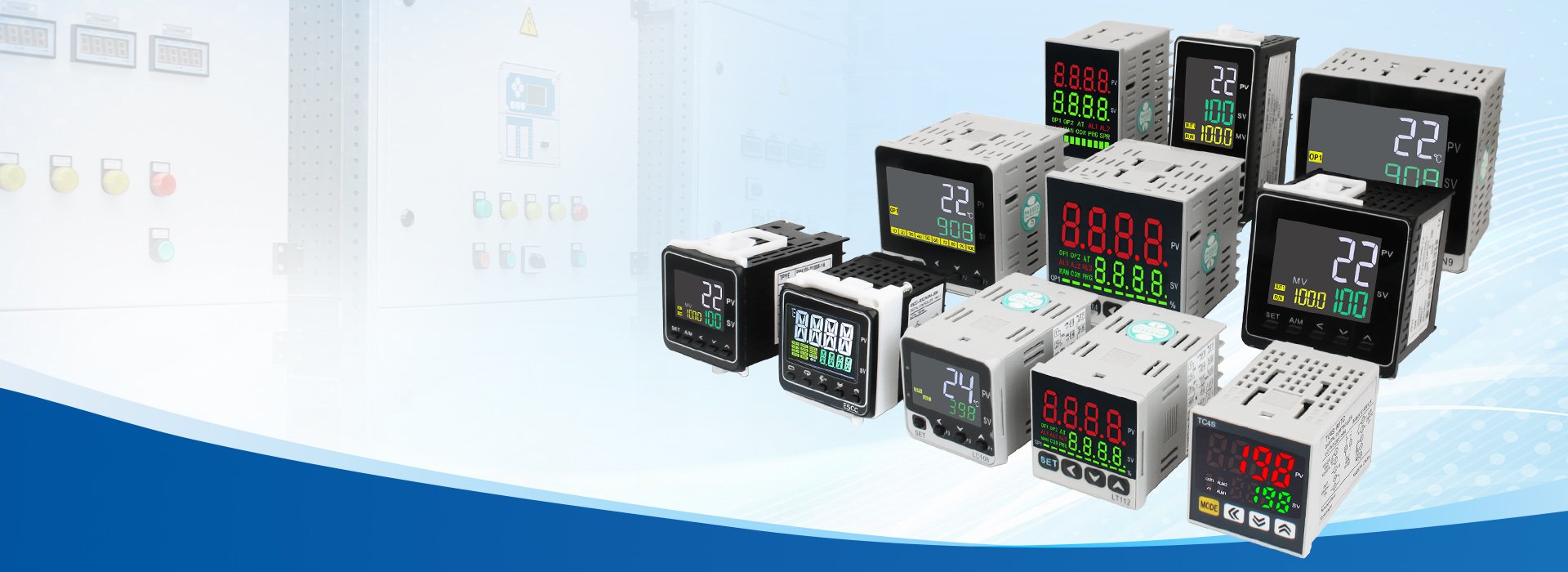
Industrial Temperature Controller Manufacturer
LCTC is a manufacturer and provider with decades of experience in the electrical components industry, specializing in supplying industrial temperature controllers and customized temperature control solutions to customers worldwide. Our products seamlessly combine advanced control technology with strict quality standards and are tailored to meet the demands of industrial practical applications.
The LCTC temperature controller combines functions such as high-precision temperature regulation, PID auto-tuning, compatibility with various sensor types, and digital display, helping customers achieve more accurate industrial control. Whether for heating systems, packaging machines, plastic processing, or other automation systems, LCTC products provide constant and stable temperature control.
We also offer OEM/ODM customization services. If you are interested in our products, please contact us immediately; we will be happy to assist you with product selection, provide technical support, and more.
Product By Features
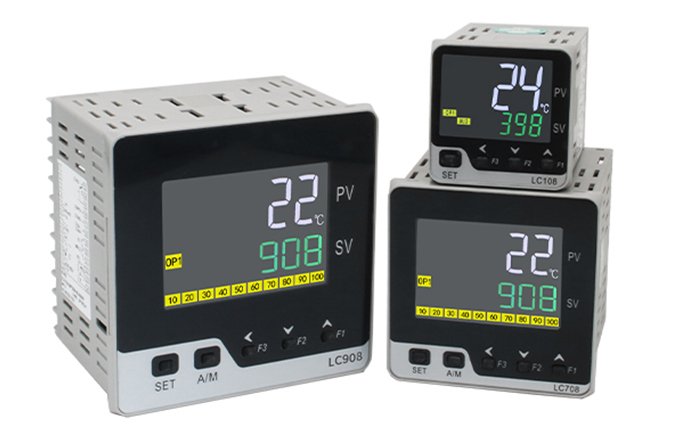
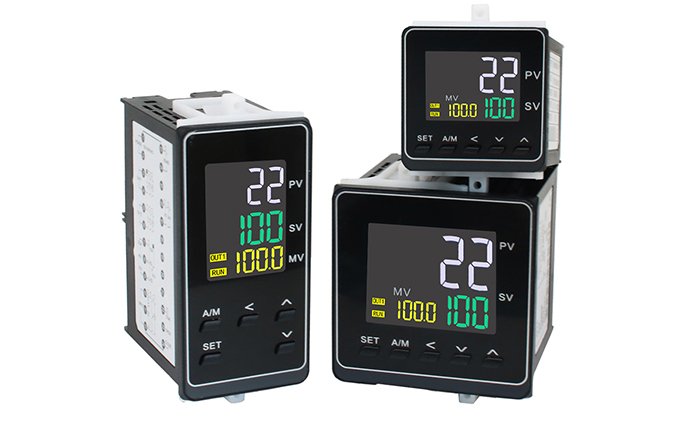
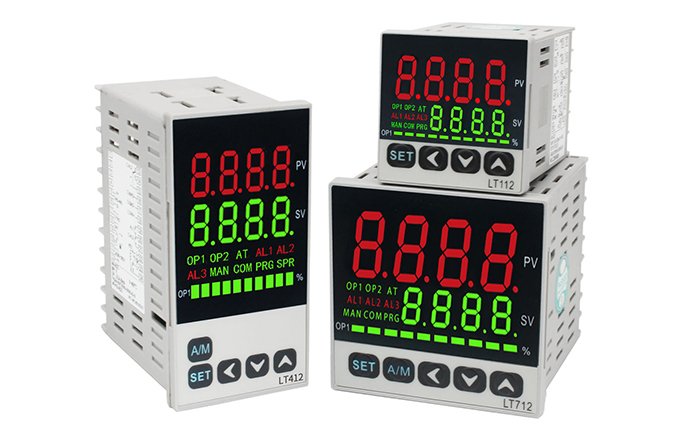
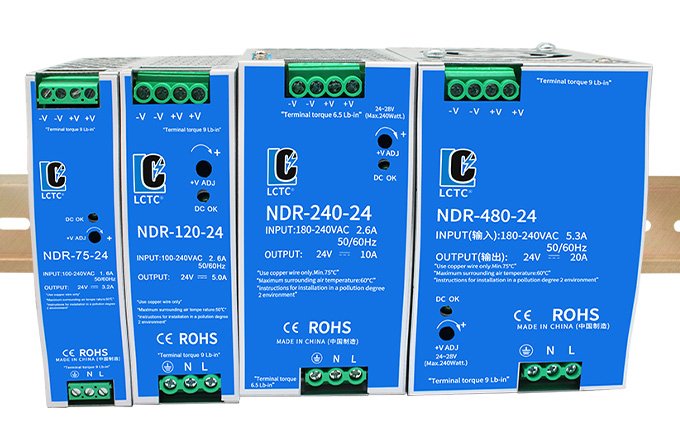
LCTC offers five industrial temperature controller models.
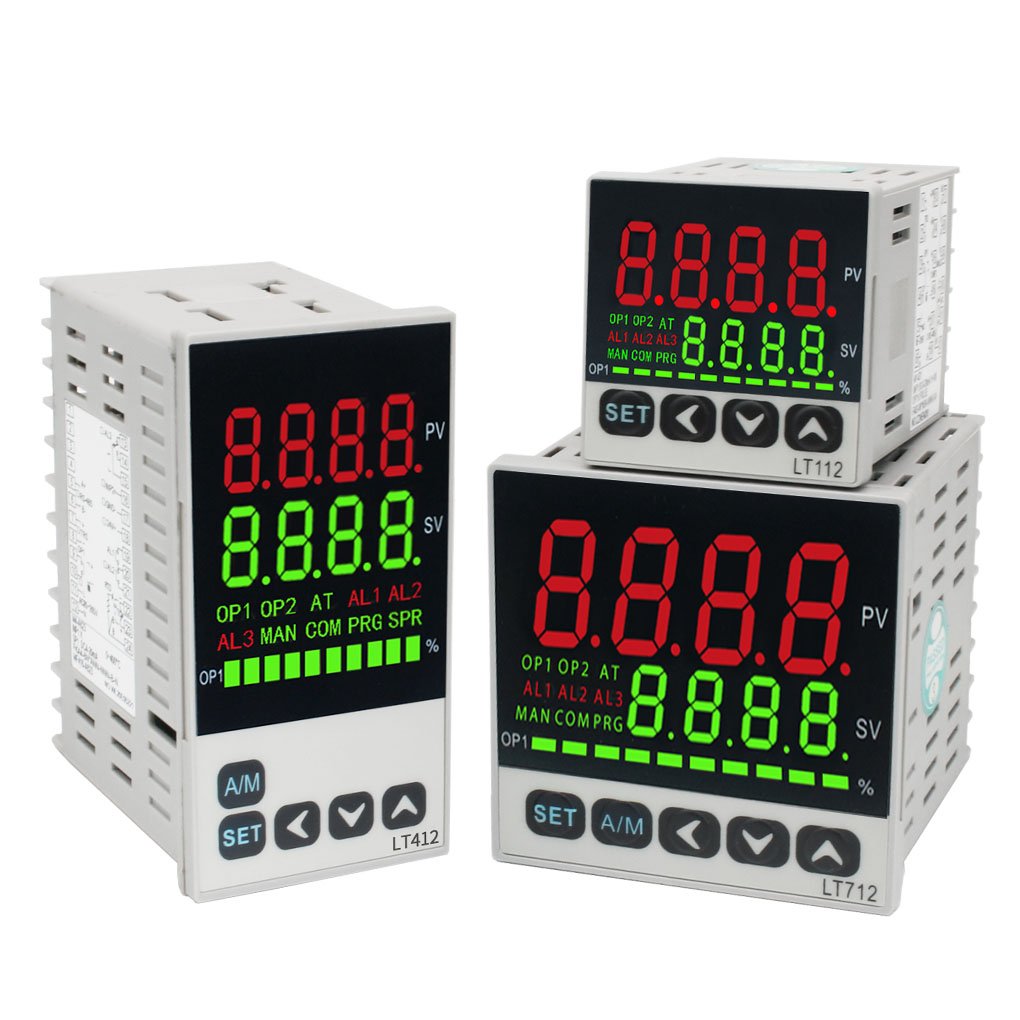
Supports various input and output types, features a digital display, and includes an integrated output scaling function.
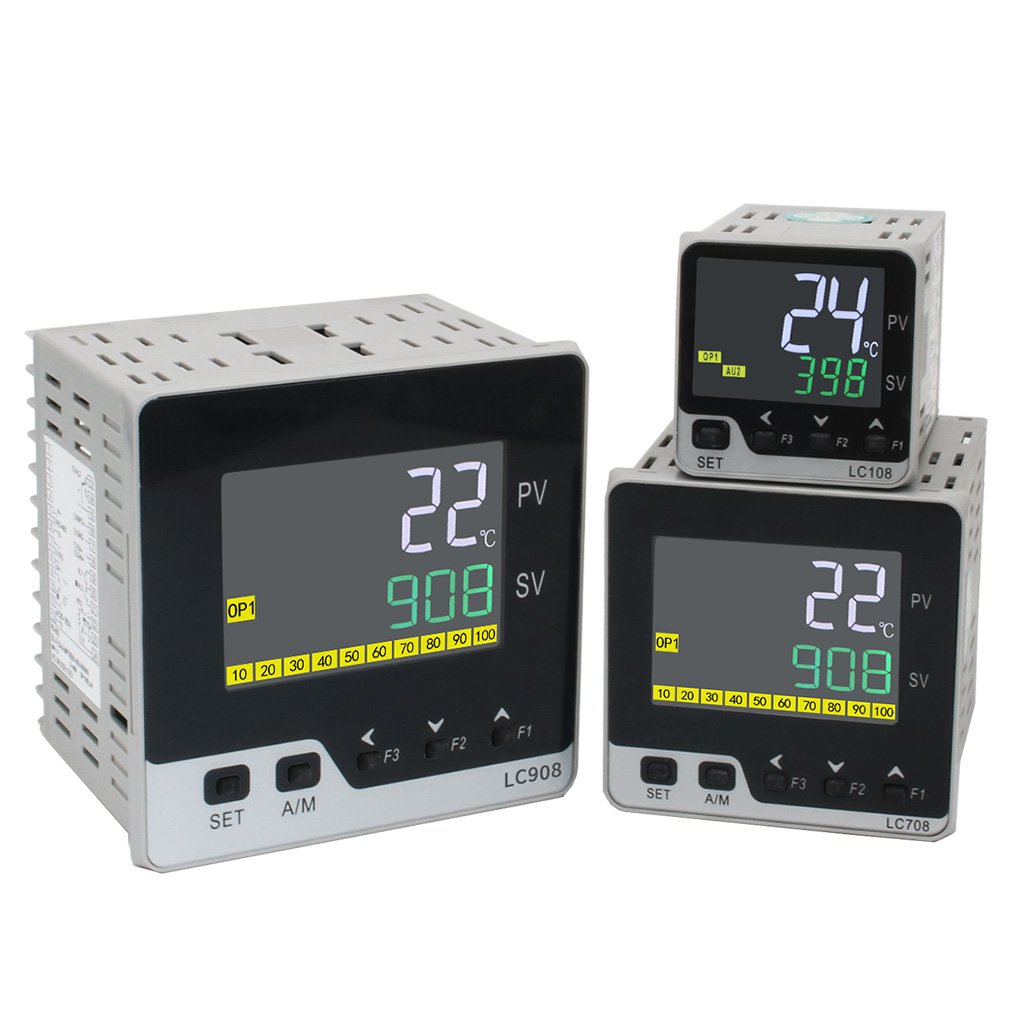
Supports dual alarm systems and RS485, features an LCD display, and allows standard panel mounting.
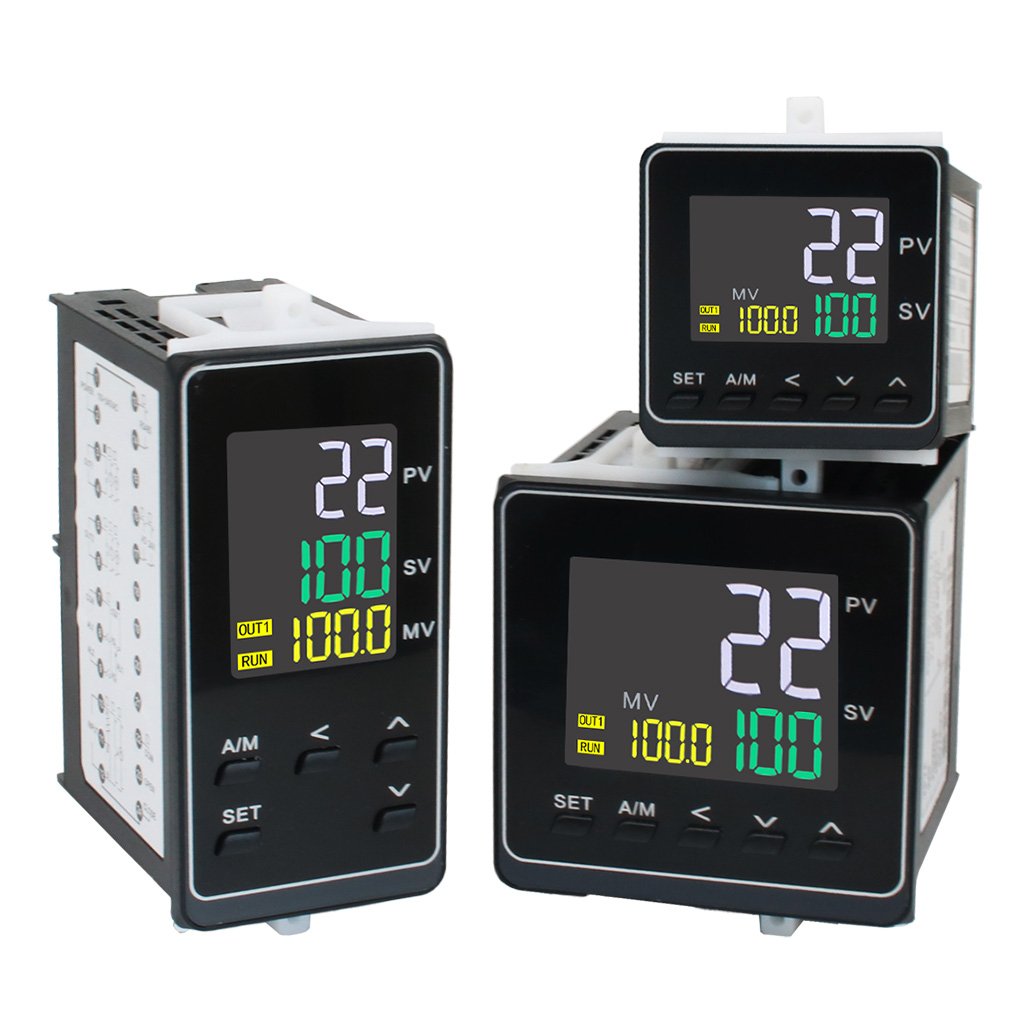
Supports multiple input and output methods; programmable.
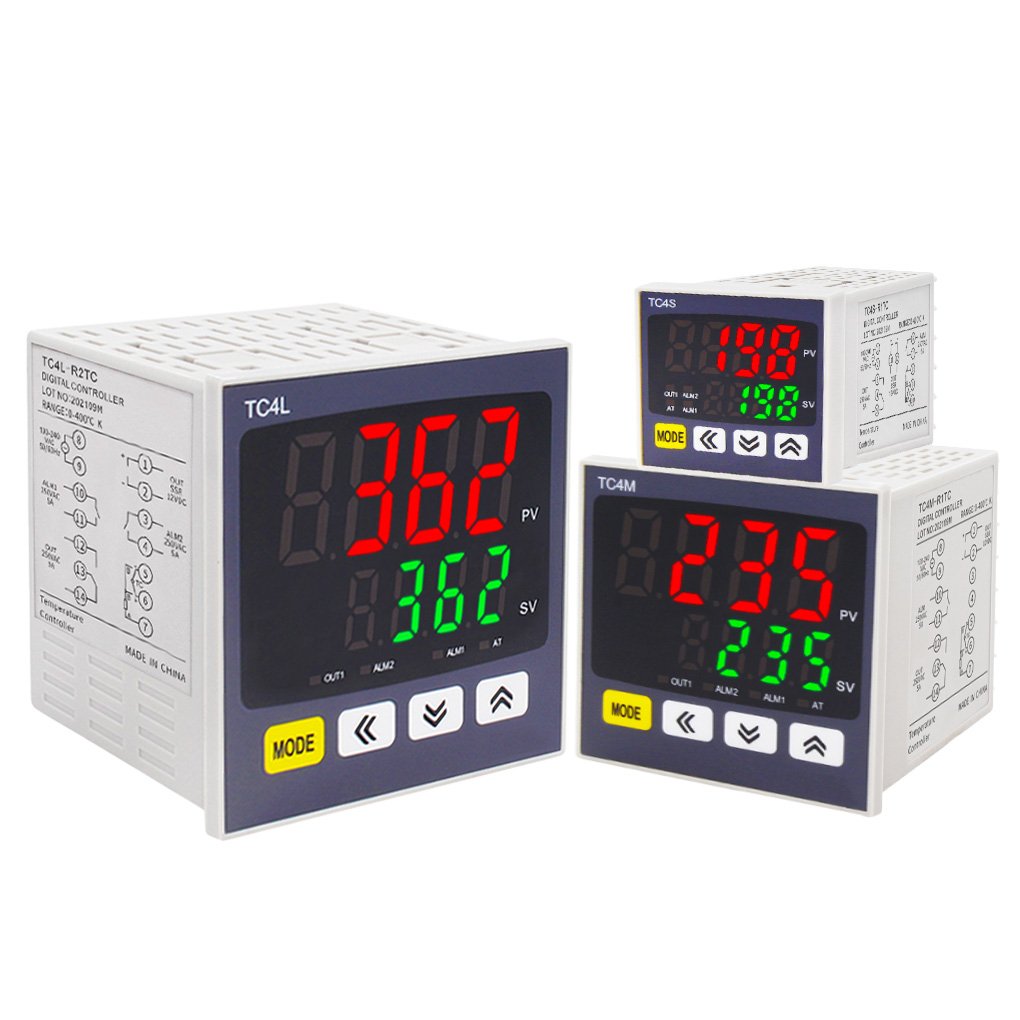
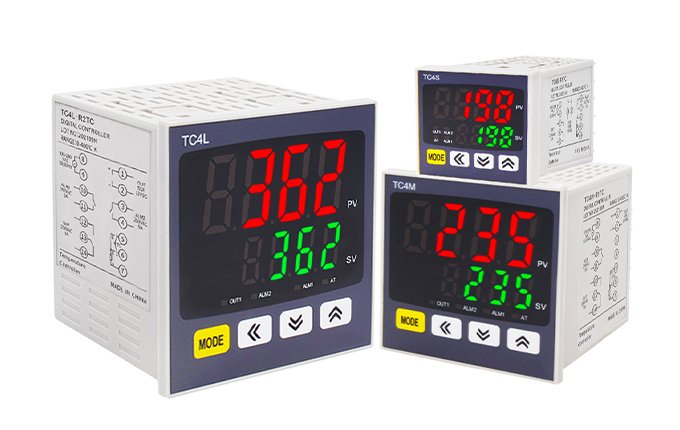
Supports various input and output sizes; available dimensions include 48×48 mm, 48×96 mm, 72×72 mm, 96×96 mm, and 96×48 mm.
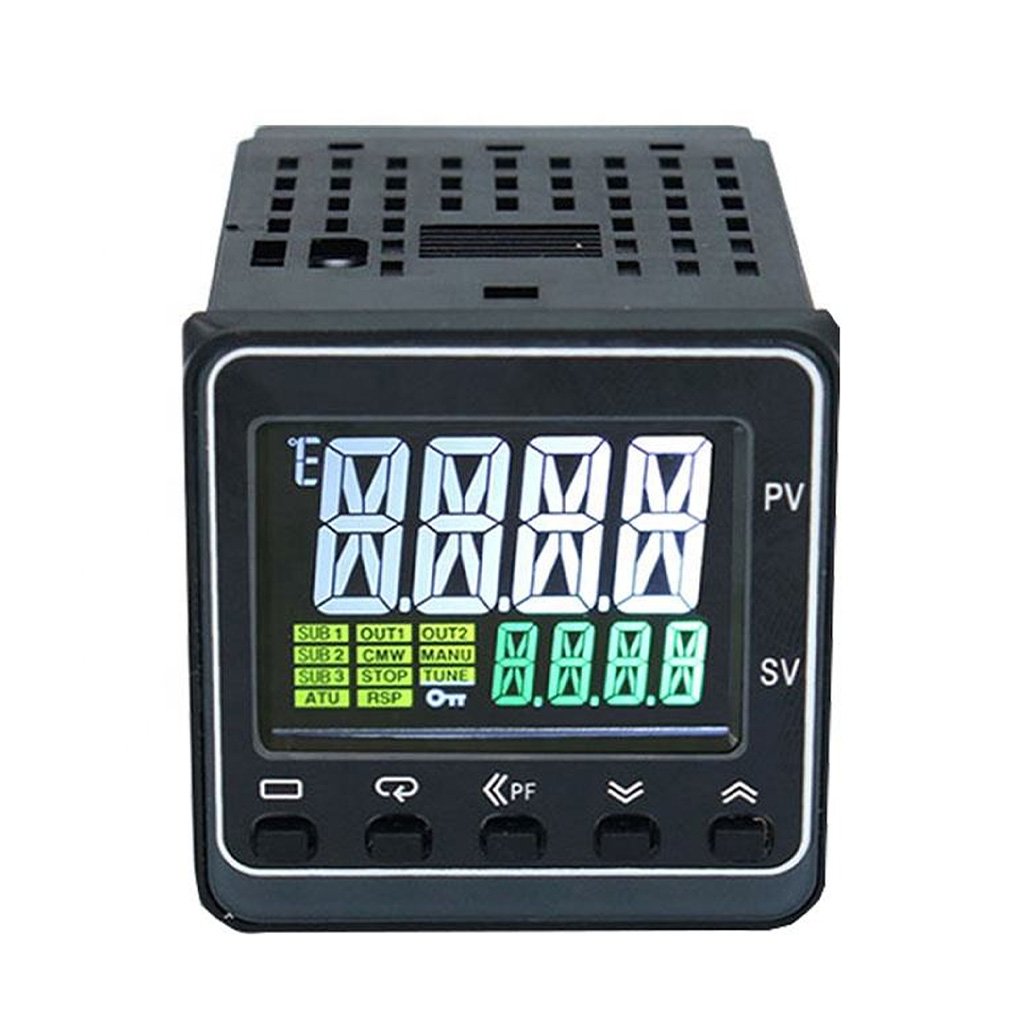
Supports multiple inputs and outputs, features an alarm function, and has dimensions of 48 x 48 mm.
Feature of Industrial Temperature Controller
The LCTC industrial temperature controller offers numerous advantages and is designed specifically for industrial-grade applications.

The LCTC industrial temperature controller supports various input and output configurations and is compatible with a wide range of automation systems, offering excellent compatibility.

The LCTC industrial temperature controller can automatically adjust the output power; its auto-tuning function also optimizes PID parameters autonomously, thereby reducing the error rate associated with manual settings.

The device designed for panel mount installation is easy to set up, after cutting the opening, it is inserted and secured using clips. Screw terminals allow quick wiring, reducing installation time, while standard dimensions make replacing older models easier.

Digital LCD or LED display for real-time presentation of Process Value(PV) and Set Value (SV), ensuring clear readability even from a distance during operation or at night.
Flexible Programming for Complex Industrial Processes
The LCTC industrial temperature controller supports programming with up to 50 segments, such as the PMA series, allowing you to preset up to 50 consecutive temperature control levels. Each phase sets a target temperature and duration, which the control system automatically executes without manual intervention; this function effectively improves production repeatability and reduces the risk of operator errors associated with manual processes. For systems requiring complex temperature profiles, such as heat treatment systems with preheating, heating, holding, and slow cooling, semiconductor applications with precise temperature control, or test setups with demanding temperature variations, this function enables reliable execution of accurate and complex profiles, ensuring safe system operation.
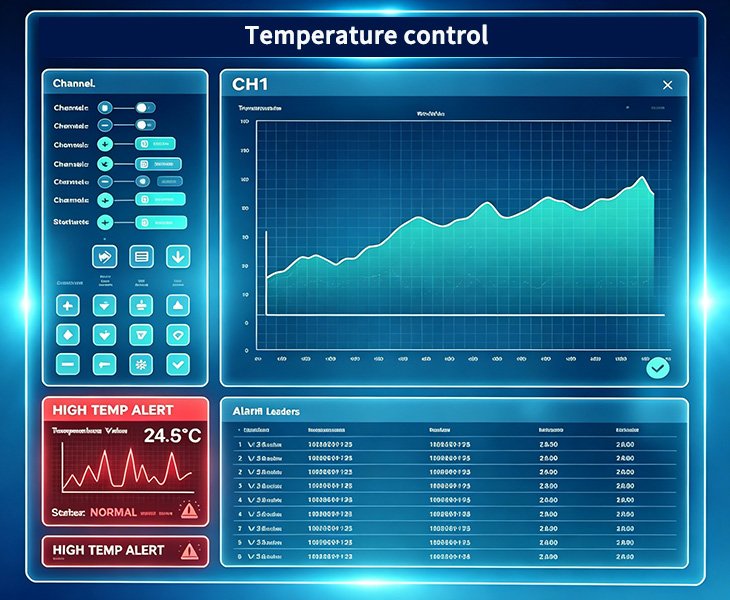
Industrial Temperature Controller Resource Download
Industrial Temperature Controller Supplier & Custom Solutions

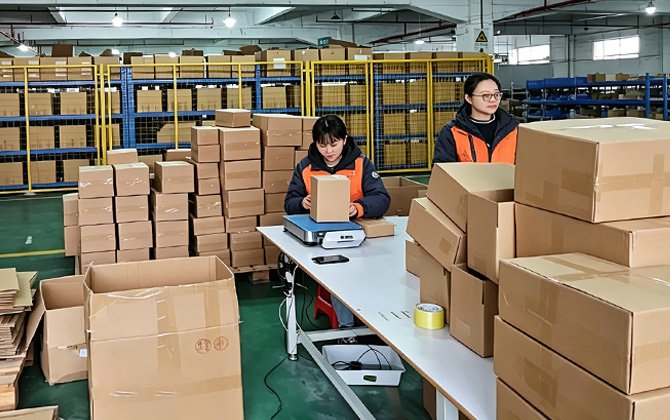
Product quality has always been the top priority for LCTC, we implement strict quality control measures throughout the entire production process. Our quality commitment aims to help customers minimize equipment downtime, reduce maintenance costs, and improve production efficiency. LCTC is committed to establishing long-term partnerships, not only providing reliable temperature controller, but also responsive support and dependable solutions throughout every stage of your project.
Application of Industrial Temperature Controller
Industrial temperature controllers are used across various industries, making automation easier.
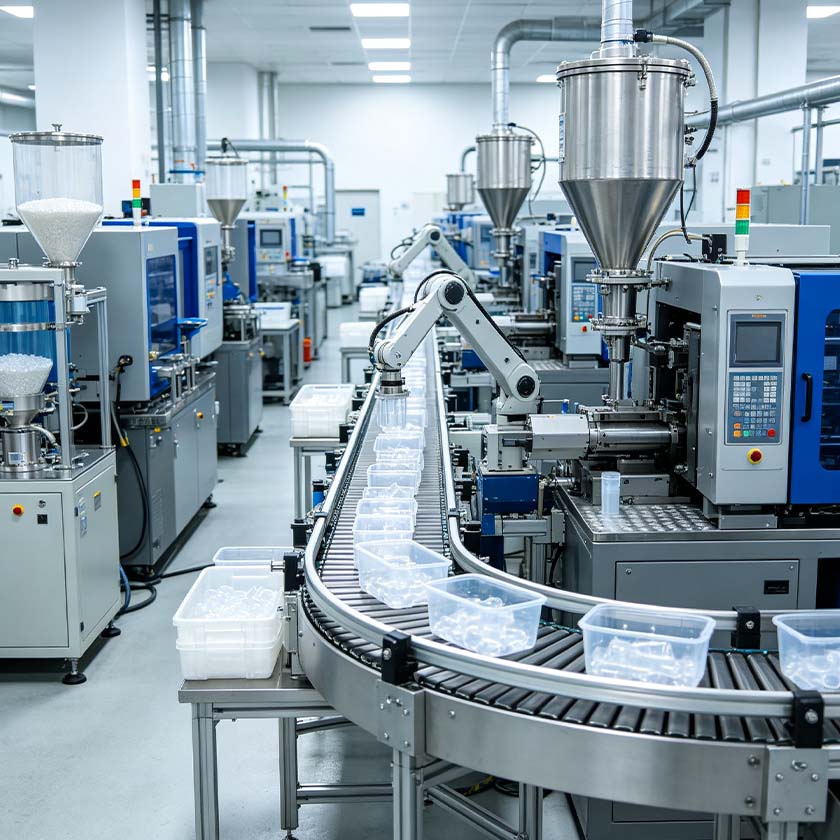
Thanks to its highly precise temperature control and fast response time, the industrial temperature controller LCTC is widely used in plastic processing to address issues such as unstable melting temperatures, bubble formation, deformation, and quality variations between different production batches. Typical equipment includes injection molding machines, extrusion machines, plastic welding equipment, hot runner systems, and film blowing machines.
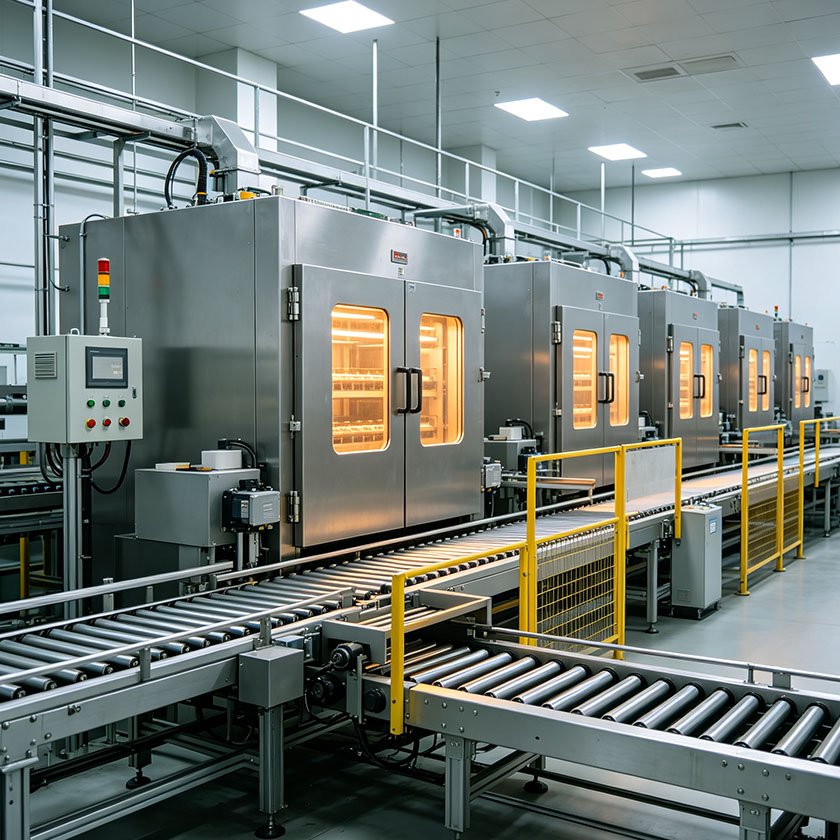
The LCTC programmable industrial temperature controller eliminates the need for manual adjustments by enabling users to program multi-stage temperature profiles. It effectively addresses issues such as uncontrolled heating rates, temperature fluctuations that affect product quality, and low efficiency in manually regulating industrial heating processes. Typical equipment includes industrial ovens, drying ovens, Heat treatment furnaces, aging test chambers, and baking equipment.
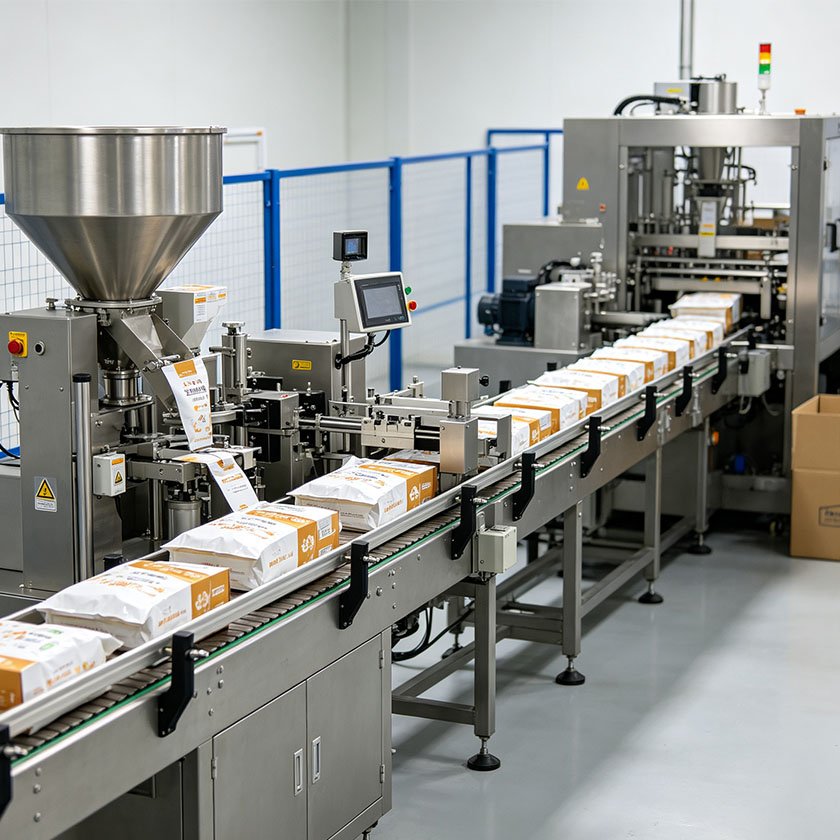
Features such as a compact design for standard-sized control panel installation, digital display, and fast, stable temperature performance effectively solve common problems in packaging systems, such as unstable sealing temperatures, poor material connections, frequent downtime for adjustments, and increased product defects. Typical equipment includes heat sealing machines, vacuum packaging machines, shrink packaging machines, and filling machines.

Testimonials
We have installed the LCTC PMA series temperature controller for our industrial furnaces; this programmable industrial temperature controller perfectly met our requirements. The multi-stage programming allows for the setting of specific temperature profiles for different phases, such as heating, holding, and cooling, while the clear digital display ensures user-friendliness and high operational efficiency.
Production ManagerWe use the LCTC LC series temperature controller in injection molding machines; its PID control ensures stable temperature regulation, while the LCD display designed for continuous operation, allows precise data reading even under low-light conditions, minimizing reading errors and facilitating integration into existing systems.
Purchasing Manager
You must confirm the specific requirements of your equipment, including temperature range, control accuracy, sensor type, output method, installation requirements, etc. You must also consider factors such as programming capabilities, communication requirements, and the operating environment. If you are unsure about your choice, you can contact LCTC.
The LCTC temperature controller is compatible with a wide range of temperature sensors, including thermocouples (K, J, E, T, S), RTD sensors (Pt100, Cu50, Cu100), and analog signals (0–5V, 0–10V, 1–5V, 4–20mA, or customized).
Yes. LCTC industrial temperature controller can communicate with PLC systems through supported communication interfaces such as RS485 and Modbus RTU.
An ON/OFF temperature controller compares the temperature with a setpoint; it turns the power supply on when the temperature exceeds the setpoint and turns it off when the temperature drops below the setpoint.
An industrial PID temperature controller continuously calculates values and uses a precise feedback control to adjust power output proportionally.
The selection of the appropriate starting type depends on factors such as the system’s switching frequency and load requirements.
The relay output is suitable for systems with slow switching processes, low-frequency control, or for directly controlling external relays.
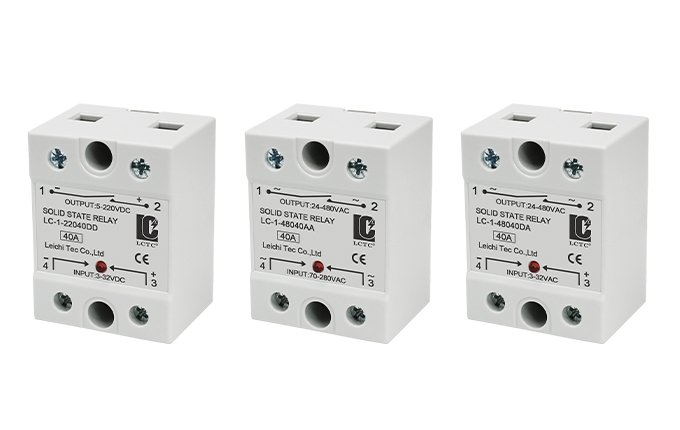
The SSR output is suitable for fast PID switching cycles and electric heaters requiring high thermal stability, as it does not suffer from mechanical wear.
The analog output (4–20 mA / 0–10 V) is suitable for applications such as control valves and continuous power controllers.
How to Reduce Temperature Fluctuations in Industrial Equipment
In industrial plants, stable temperature control plays a crucial role in maintaining product quality and improving production efficiency. In practice, temperature fluctuations occur frequently; therefore, we must understand the causes of these fluctuations and know how to minimize them.
Causes of Temperature Fluctuations
Temperature fluctuations can be caused by a variety of factors; common causes include improper control settings, unsuitable sensors, insufficient heating capacity, and faulty system design.
One of the most common causes is an incorrect setting of the controller’s PID parameters; this can result in temperature overshoot, sluggish response, or persistent, stable oscillations.
Another important reason could be the incorrect selection of the sensor; different temperature sensors vary in terms of accuracy, response speed, and measurement range.
Solutions to Temperature Fluctuations
Set Appropriate PID Parameters.
PID controllers continuously monitor temperature fluctuations and automatically adjust the output power to minimize overshoot, improve response speed, and maintain a constant temperature; some controllers feature an auto-tuning function that adjusts PID parameters automatically without requiring manual intervention.
Selecting the Right Temperature Sensor
When selecting a temperature sensor, factors such as operating temperature range, measurement accuracy, response time, and installation environment must be considered; reliable sensors enable precise temperature control, with thermocouples and RTDs being common options.
Optimize Controller Functions and Settings
Proper configuration is essential to achieve optimal performance of a temperature controller. In addition to PID parameters, various settings such as the setpoint, output mode, and alarm functions must be configured; in complex heat treatment processes, programming multiple temperature stages may also be required.
Improve Heating System Design and Maintenance
The heating system also affects the stability of temperature regulation; selecting an appropriate heating element, ensuring sufficient heating capacity, proper insulation, and regular maintenance, such as checking sensors, wiring, heating elements, and controllers, helps prevent unexpected temperature fluctuations.