
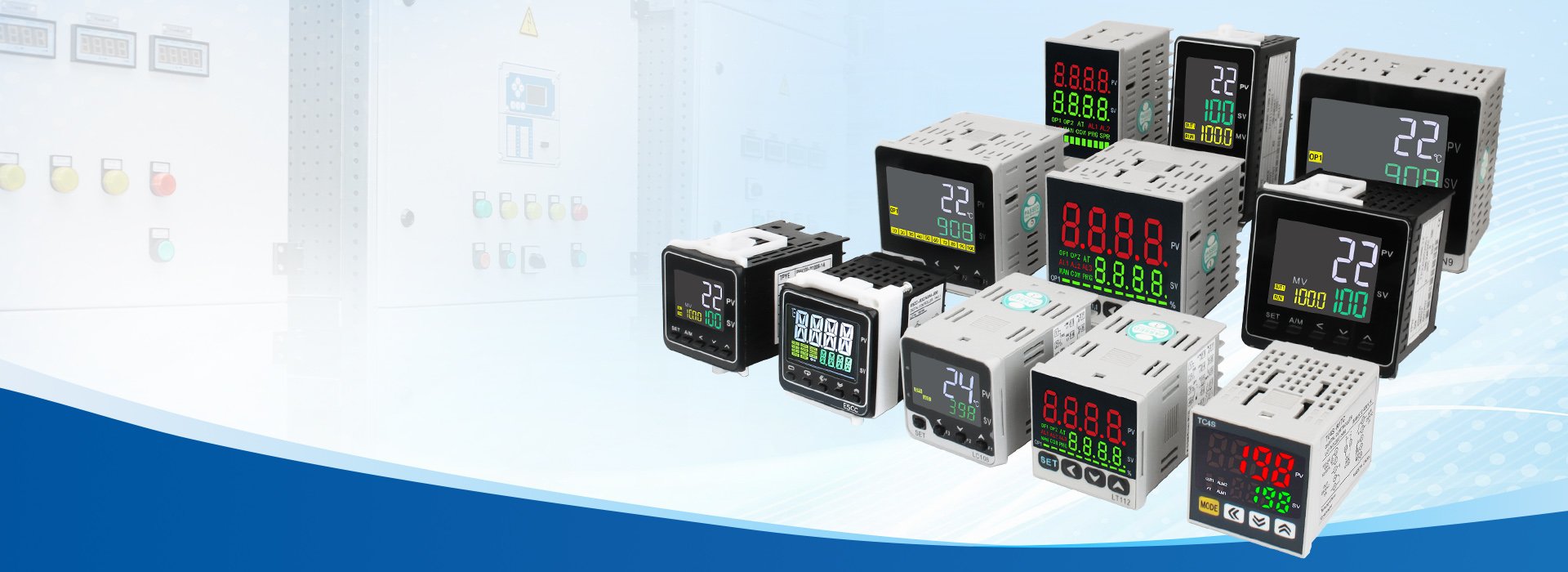
Multi-Channel Temperature Controller for Stable Industrial Thermal Management
LCTC is a provider and manufacturer of electrical components specializing in the research, development, and production of industrial temperature control solutions. Our goal is to deliver reliable, precise temperature regulation and system integration to customers worldwide. LCTC multi-channel temperature controller supports common input and output methods, such as various sensors, relays, and SSRs, offering flexible adaptability to the requirements of diverse industrial plants and systems.
LCTC products are widely used in industrial automation, plastic machinery, packaging systems, and other automated production lines. LCTC currently maintains stable partnerships in markets across Asia, Europe, the Americas, and the Middle East, providing OEM/ODM services to offer customers customized development support.
If you are interested in our product, please contact us to receive technical documentation and a customized quote. Our engineering team is available to assist you with expert support, including product selection and technical consultation.
Product By Features
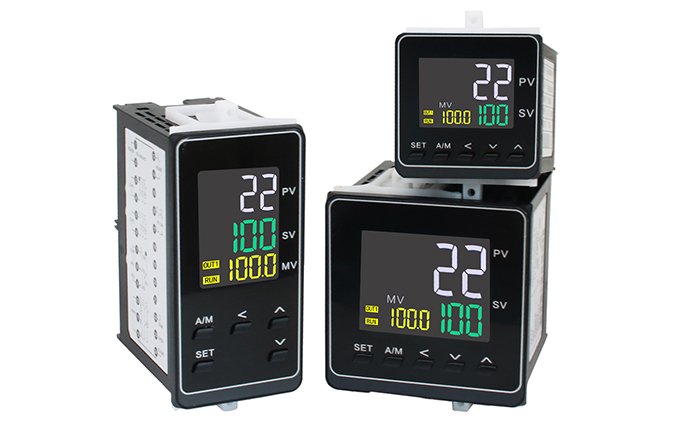
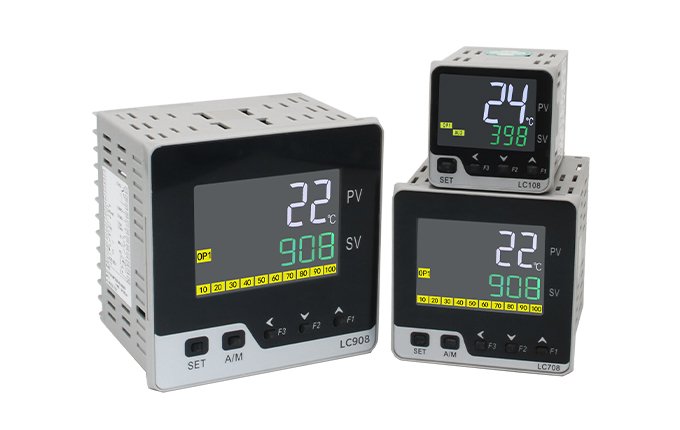
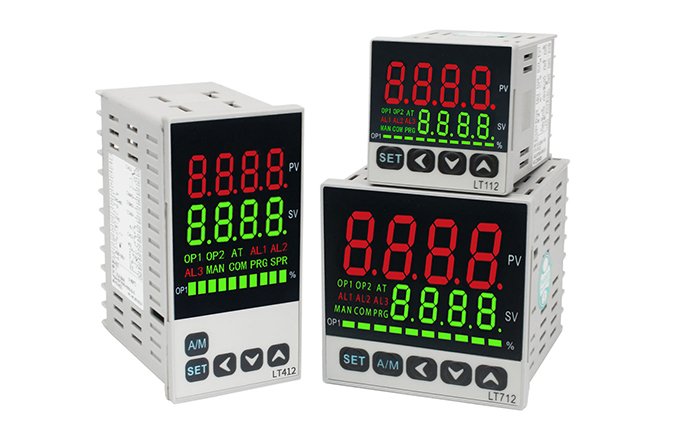
LCTC offers five digital PID temperature controller models.
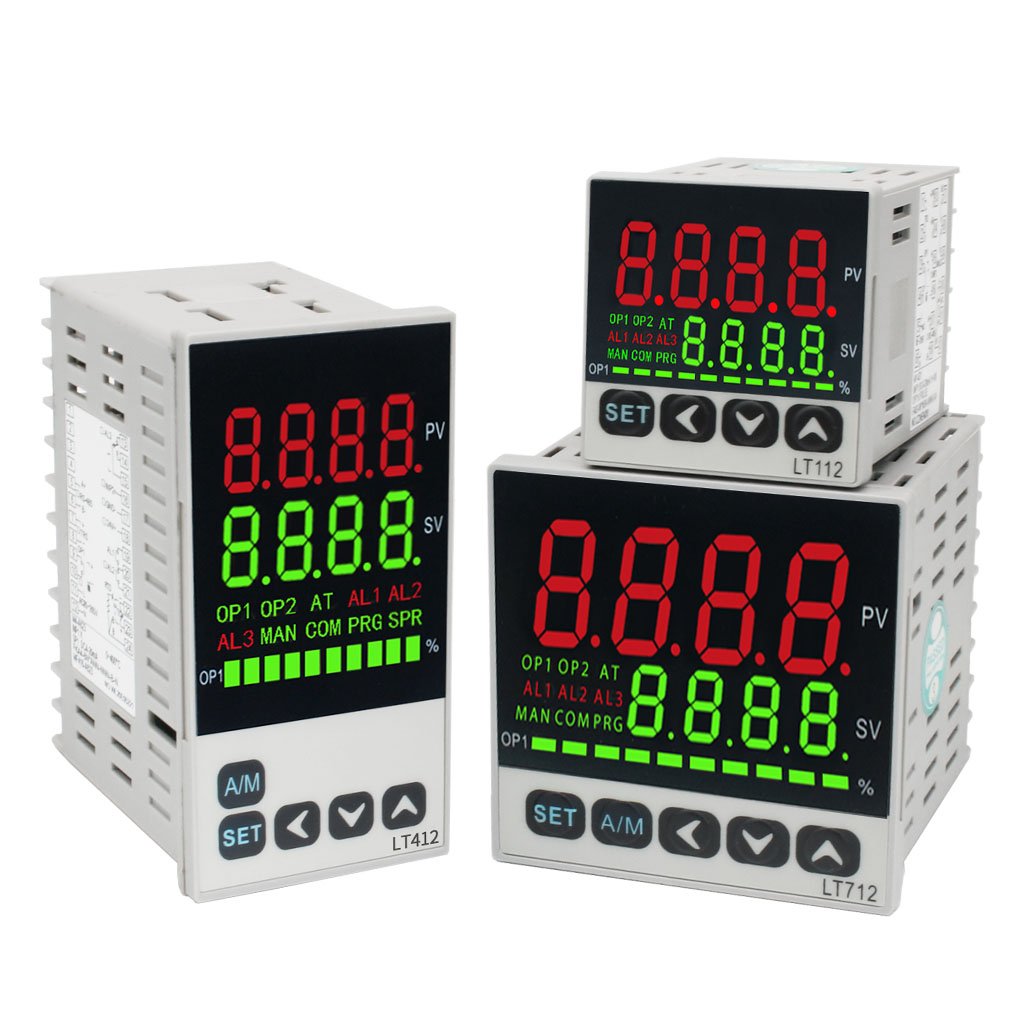
Supports various input and output types, features a digital display, and includes an integrated output scaling function.
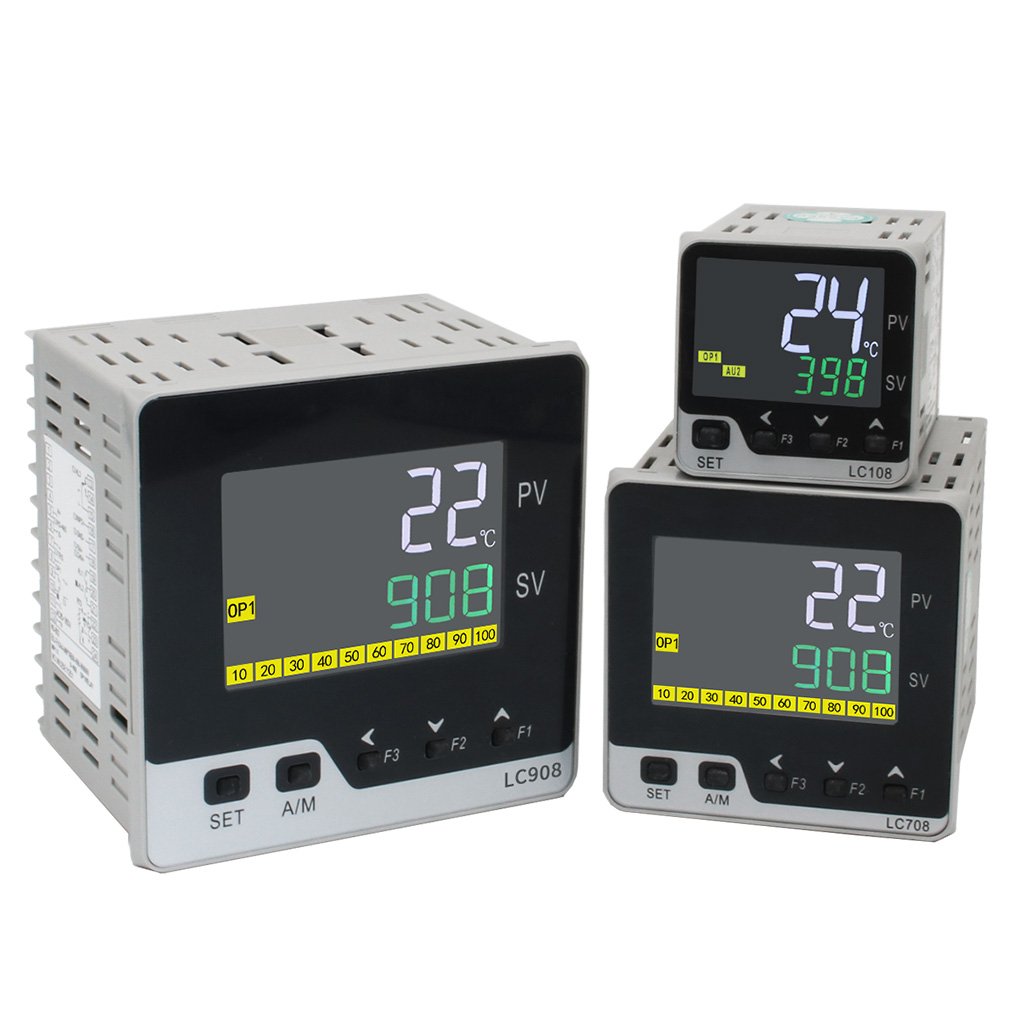
Supports dual alarm systems and RS485, features an LCD display, and allows standard panel mounting.
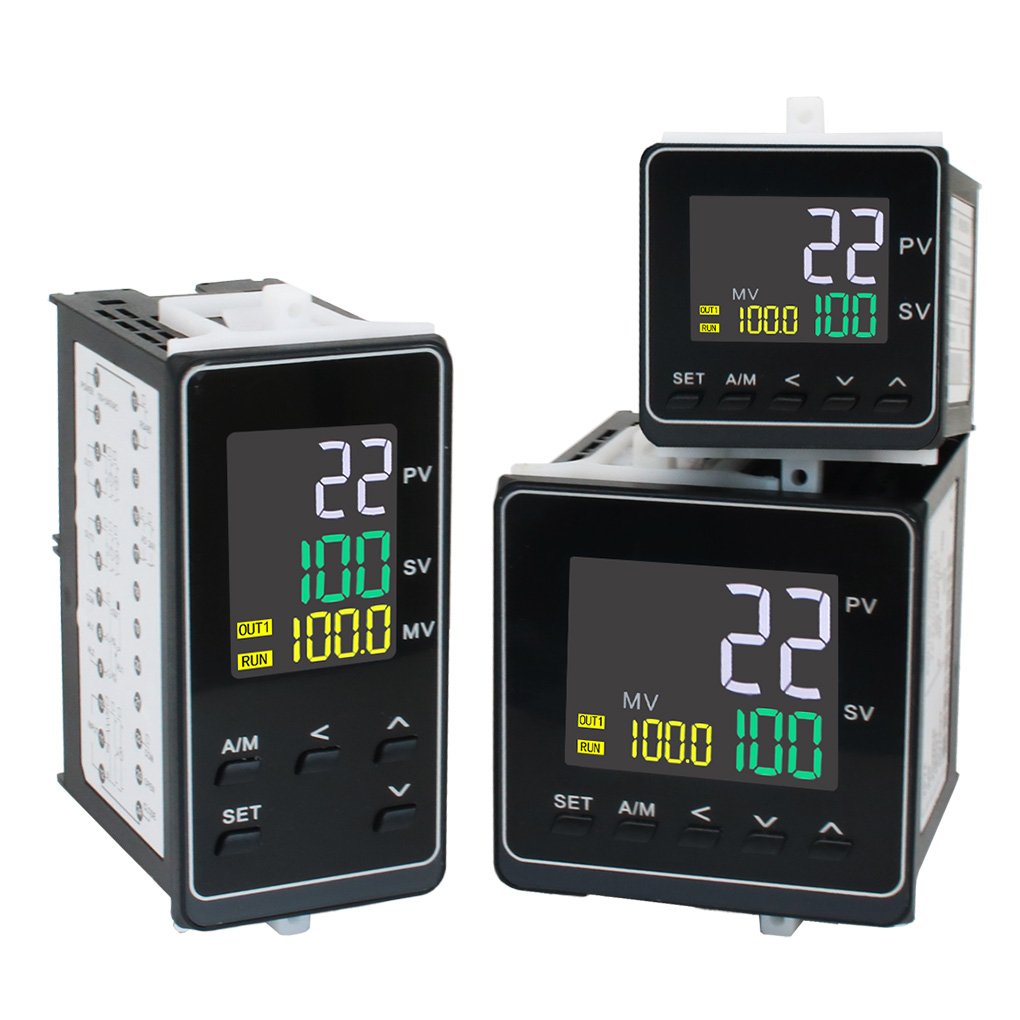
Supports multiple input and output methods; programmable.
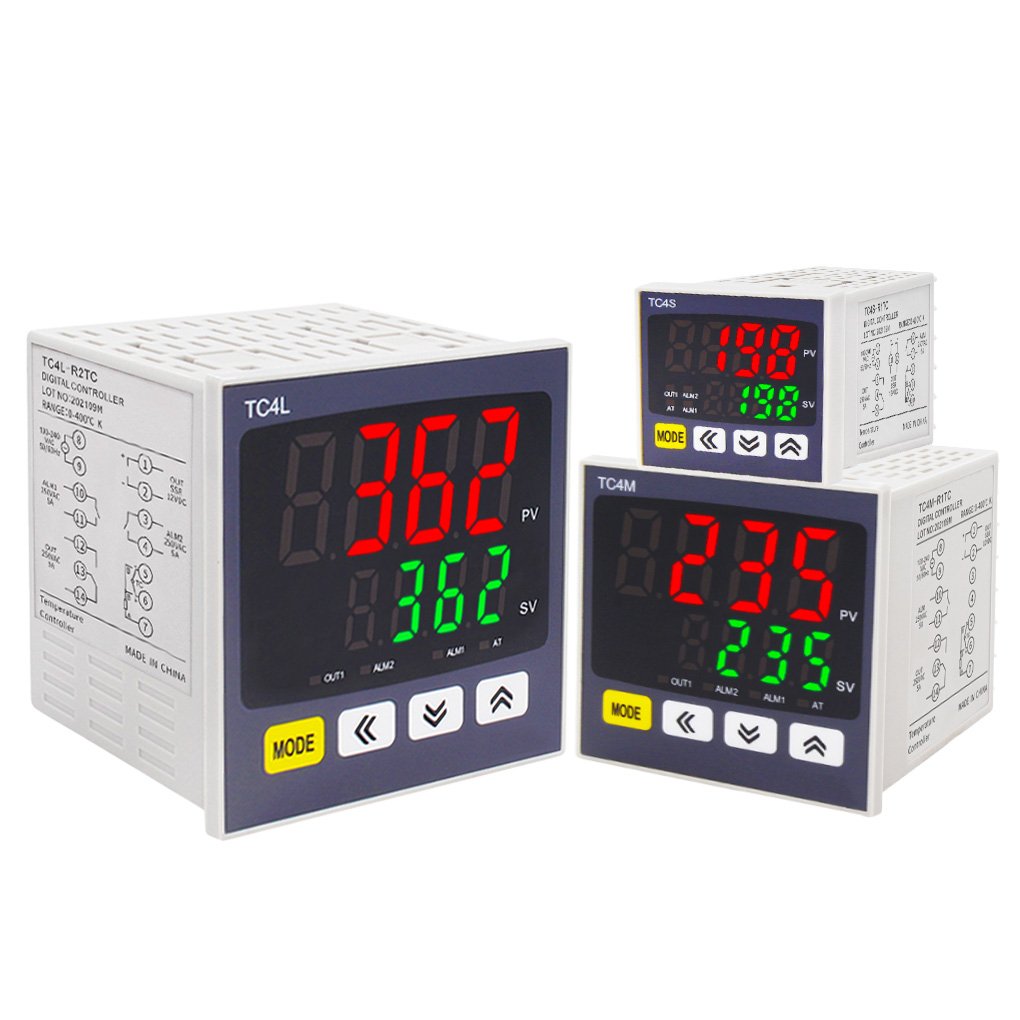
Supports various input and output sizes; available dimensions include 48×48 mm, 48×96 mm, 72×72 mm, 96×96 mm, and 96×48 mm.
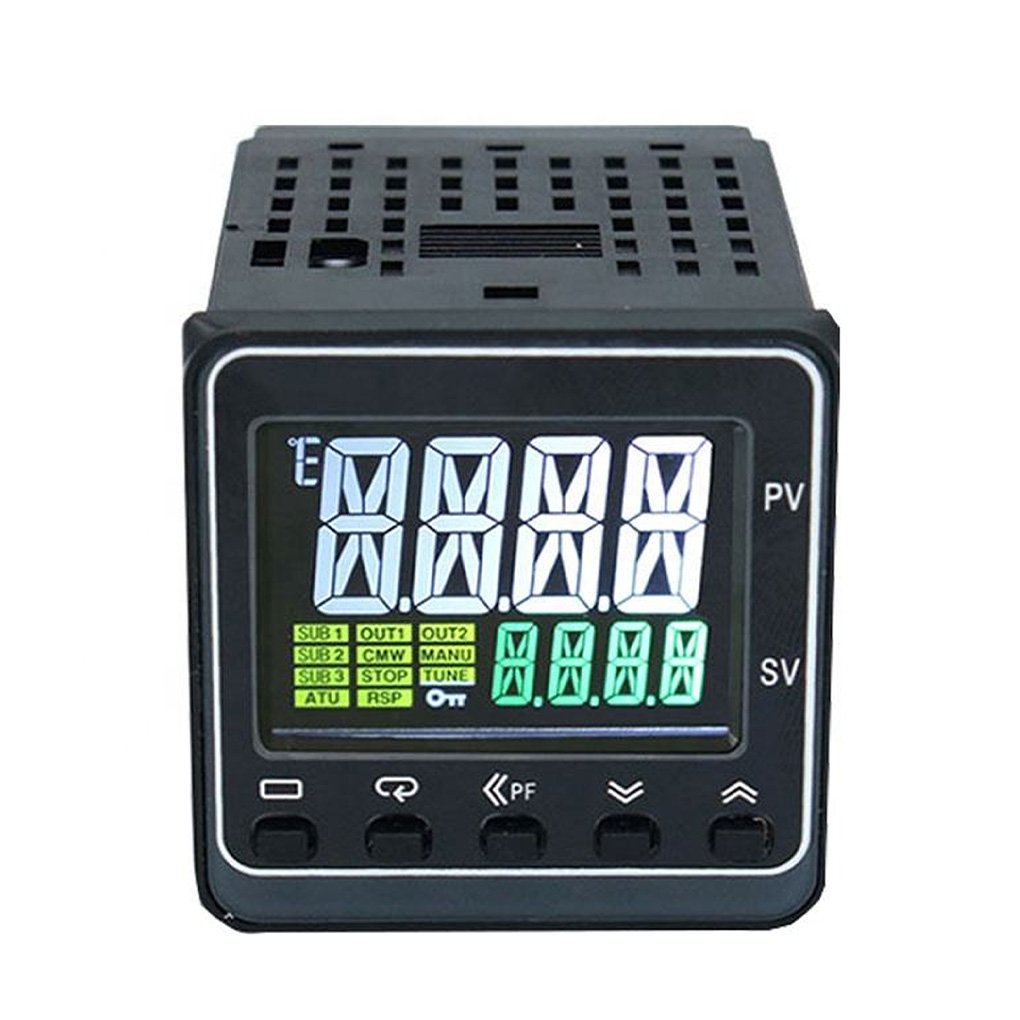
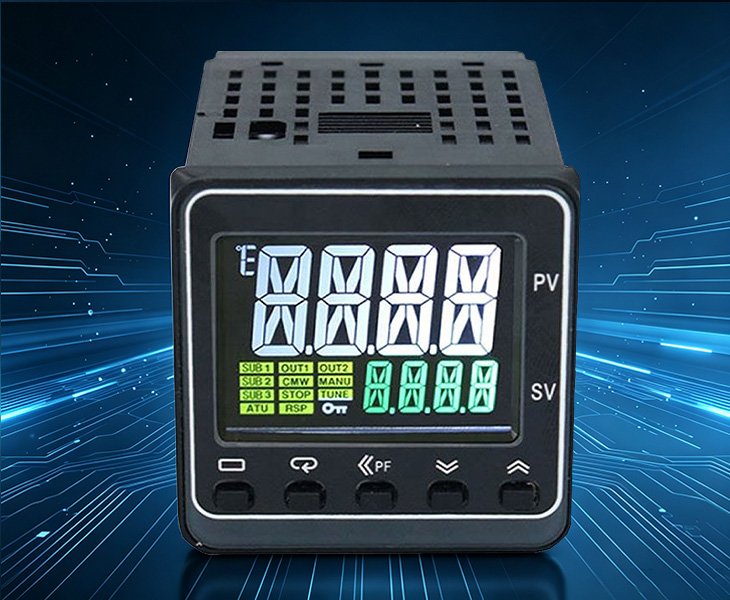
Supports multiple inputs and outputs, features an alarm function, and has dimensions of 48 x 48 mm.
Feature of Multi-Channel Temperature Controller
The 2-channel temperature controller LCTC features various functions designed to simplify system integration and enhance operational safety and accuracy.

The temperature controller LCTC supports various input types, such as thermocouples and RTDs, as well as diverse output formats, including relays, SSRs, and analog signals, making it highly flexible for use in a wide range of industrial process systems.

The multi-channel temperature controller LCTC supports industrial standard protocols such as RS485 and is compatible with PLC systems. It can be easily integrated into existing production lines with minimal programming effort, ensuring seamless connectivity to various systems, thereby reducing time to commissioning and lowering system integration costs.

The temperature controller LCTC integrates multiple control loops into a single unit with uniform power management, reducing wiring requirements, minimizing the risk of wiring errors, saving space in the control cabinet, and increasing overall system reliability.

Most models of the multi-channel temperature controller LCTC feature a dual alarm function that enables real-time monitoring of each individual channel. This effectively reduces downtime, allows quick and precise fault localization, lowers maintenance costs, and enhances production reliability.
Multi-Channel Synchronous Monitoring to Enhance Production Visualization
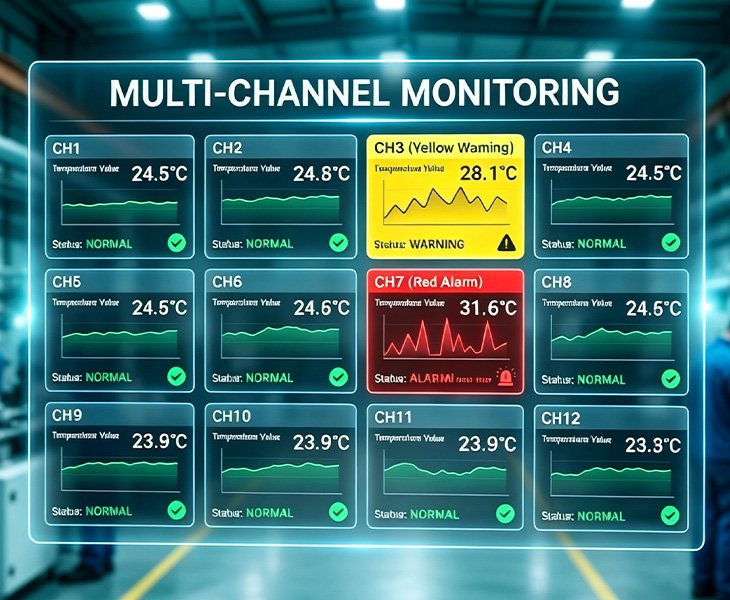
The LCTC multi-channel temperature controller performs independent sampling for each channel, reads data in real time, and processes it centrally. It aggregates data from all channels onto a single display surface or host computer system, enabling synchronized, visual monitoring of the status of multiple channels. Users can view real-time temperature, operational status, and historical data for all channels, enabling quick decision-making. An alarm can be configured to trigger when a temperature deviation occurs in a specific channel, thereby improving the efficiency of fault detection. Additionally, data can be transmitted to systems such as PLCs, increasing operational transparency, reducing the need for manual inspections, and enhancing overall efficiency and stability.
Independent PID Control, with No Interference Between Each Channel
The LCTC multi-channel temperature controller employs a fully galvanically isolated three-layer architecture consisting of input sampling, PID calculation, and output control; each channel features an independent sampling circuit for the temperature sensor to prevent mutual signal interference. Each channel has an independent output to ensure physical separation of the execution, enabling stable, disturbance-free control across multiple temperature zones within a single device and thus significantly improving temperature uniformity and stability.
The proportional (P), integral (I), and differential (D) components each perform specific functions: the P component ensures a rapid response to temperature changes, the I component eliminates long-term deviations, and the D component anticipates temperature trends and makes corrective adjustments in advance.
Multi-Channel Temperature Controller Resource Download
Multi-Channel Temperature Controller Supplier & Manufacturer
The multi-channel temperature controller LCTC enhances temperature control accuracy, production stability, and safety through independent PID control, synchronous multi-channel monitoring, and an alarm system, while also reducing the complexity of system integration and maintenance costs.
LCTC continues to rely on reliability in industrial quality and continuous innovation to ensure the long-term, stable operation of our 2-channel temperature controllers in demanding industrial environments. We are committed to providing reliable temperature control solutions and standing by as a trusted partner.
Application of Multi-Channel Temperature Controller
The LCTC multi-channel temperature controller is widely used across various industrial sectors, offering advantages such as independent PID control, centralized monitoring, and reduced wiring requirements. So what industries commonly use 2-channel temperature controllers?
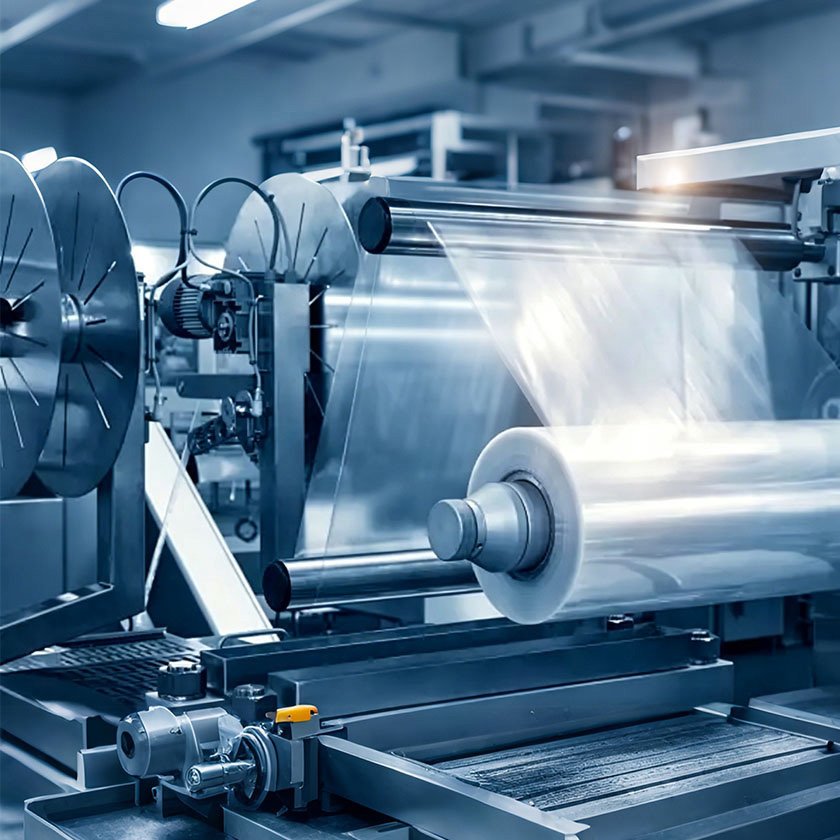
The LCTC temperature controller offers advantages such as multi-channel heating control for stabilizers, reduced wiring requirements, and minimized space usage in control cabinets. It is commonly used in the plastics processing industry, with typical applications including injection molding machines, plastic extrusion lines, and blow molding equipment.
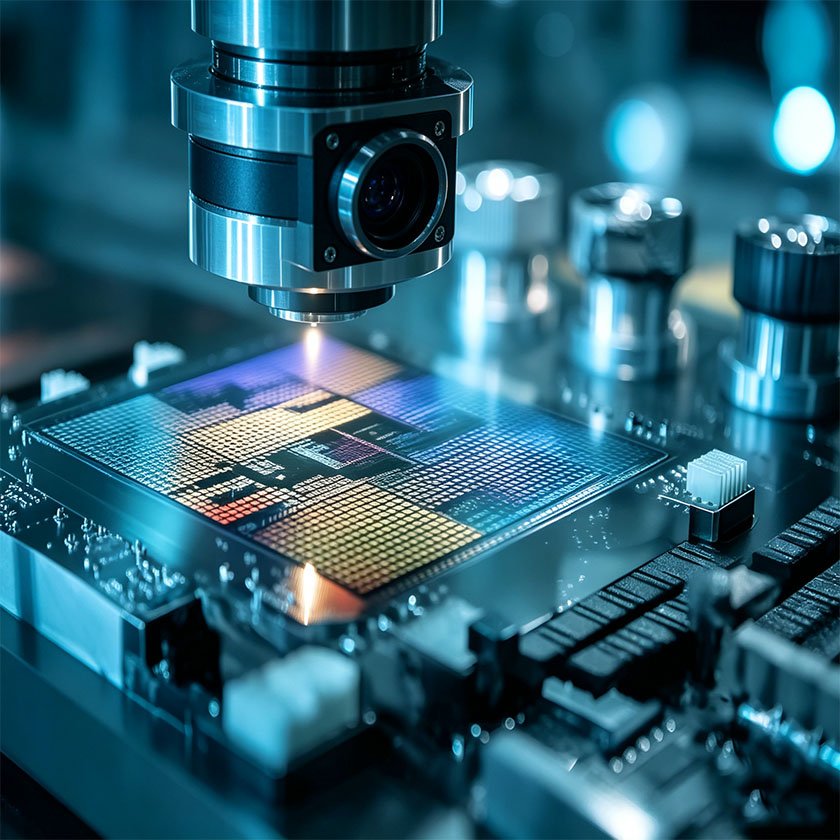
The LCTC multi-channel temperature controller features highly precise, independent PID control, enhancing production efficiency and reliability. It is commonly used in the semiconductor and electronics industries, for example in multi-zone heating panels and for precise thermal environments, typical applications including semiconductor processing equipment, reflow soldering systems, and thermal test chambers.

The LCTC multi-channel temperature controller enables synchronous real-time monitoring across multiple channels, ensuring precise and stable temperature regulation as well as higher data reliability. It is ideally suited for systems testing battery aging, effectively addressing issues such as the risk of thermal runaway and inconsistent test data, with typical applications including battery aging test systems, formation and cycling equipment, environmental test chambers.

The LCTC temperature controller features independent control for each channel, enhancing efficiency in research and enabling flexible experimental setups. Thanks to its separate test zones, it is ideally suited for use in laboratories and research facilities, typical applications including incubators, chemical reaction systems, thermal simulation platforms.
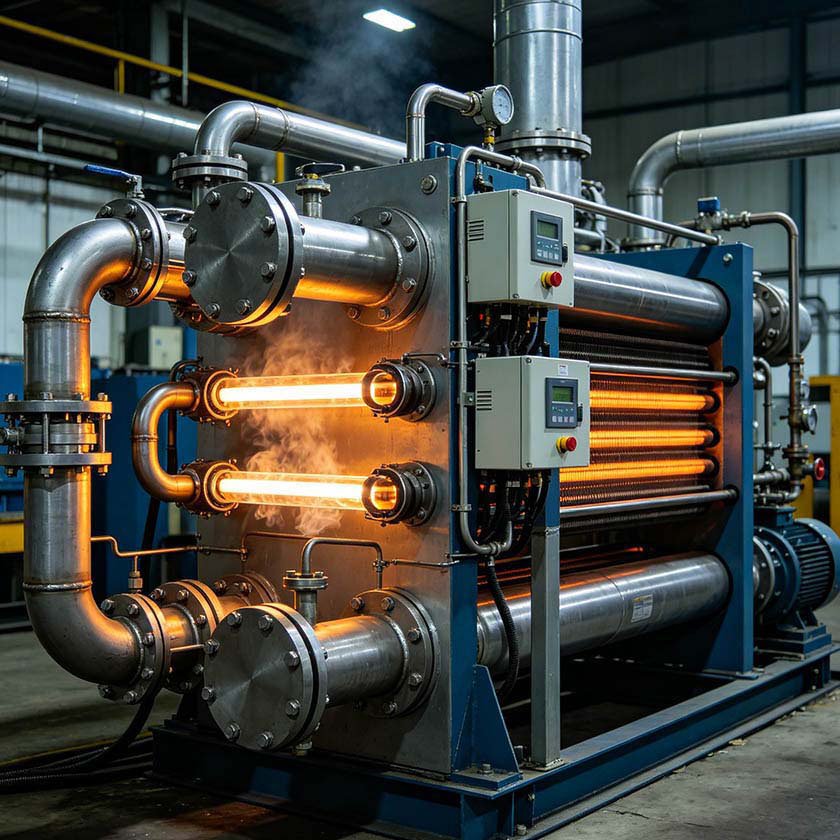
The LCTC temperature controller enables more energy-efficient operation and more uniform heating across multiple temperature zones, improving thermal uniformity and making the system ideal for industrial heating and furnace systems, typical applications includingindustrial ovens, drying systems, heat treatment equipment.

Testimonials
We have replaced the original individual temperature controllers with this multi-channel temperature controller; the independent PID control is highly stable and shows no mutual interference even during rapid temperature fluctuations.
Automation Project ManagerCompared to single-loop temperature controllers, the wiring is significantly simpler, and monitoring data from all channels on a single page is extremely convenient.
Automation Project ManagerThe multi-channel monitoring and alarm functions of the multi-channel temperature controller are extremely practical, allowing me to monitor temperature deviations across different zones in real time, enabling timely detection and preventing operational interruptions.
Senior Process Engineer
Yes, in most cases, a multi-channel temperature controller is a better replacement for multiple single-loop controllers.
LCTC offers 2 channel temperature controller
YES. Each channel operates with a completely independent PID control loop and does not interfere with other channels.
YES.LCTC multi-channel temperature controllers support PLC communication via Modbus RTU (RS485) as standard. It is widely used in industrial automation systems where stable communication and easy PLC connectivity are required.
The first step in selecting a suitable multi-channel temperature controller is to determine how many channels need to be controlled. Next, check the type of temperature sensor and the device’s output method. Then check whether system integration into an PLC is required and whether functions such as PID control, alarm functions, and real-time monitoring are needed. If you’re unsure about your choice, please provide us with details about your specific application, and we’ll assist you in selecting the right model.
Single-Loop VS Multi-Channel Temperature Controller: Which is Better?
In industrial temperature systems, the choice between a single-channel and a multi-channel temperature controller directly affects system costs, performance, and efficiency; understanding the differences between the two options will help you select the most suitable solution.
Single-Loop Temperature Controller
A single-loop temperature controller is designed to independently control one system; however, managing multiple systems requires several controllers, each with its own wiring and installation, which leads to issues such as complex cabling, excessive space requirements in the control panel, and increased installation and maintenance costs.
Multi-Channel Temperature Controller
In contrast, the multi-channel temperature controller can manage multiple systems simultaneously; each channel operates independently, featuring its own input, PID calculation, and output control, while offering simplified wiring, reduced space requirements, and easier installation and maintenance.
Advantage of Multi-Channel Temperature Controller
Although systems with a single control loop may be cheaper to purchase per unit, the total costs, including cabling, installation, and maintenance, often exceed those of multi-channel systems. Therefore, multi-channel temperature controllers generally offer better cost-effectiveness in industrial applications of medium to large scale.
In summary, single-loop temperature controllers are better suited for regulating a single system, while the temperature controllers are more appropriate for complex applications involving multiple systems, such as injection molding machines, semiconductor manufacturing plants, and industrial furnaces.
How to Connect Temperature Controller to PLC Via Modbus RS485
Integrating temperature controllers into PLC systems to achieve centralized control and real-time monitoring is a crucial step in improving production efficiency in modern industrial automation systems. RS485 is one of the most widely used communication methods for this purpose; so how do you connect a temperature controller to an PLC via Modbus RS485?
Step 1
To establish the connection, your temperature controller must support RS485 and the Modbus protocol. Additionally, you need to prepare the appropriate wiring and a stable power supply, and configure the correct communication parameters, such as baud rate, address, and data format.
Step 2
Connect the RS485 A+ and B- terminals of the temperature controller to the corresponding RS485 ports on the PLC; for systems with multiple devices, you can use a daisy-chain topology to ensure stable communication.
Step 3
After completing the wiring, the communication configuration can begin. Each temperature controller is assigned a unique Modbus slave address; the PLC acts as the master device and sends read and write requests to the controllers, typically for real-time temperature values, setpoints, alarm states, control parameters, and similar data.
Step 4
After configuration, the PLC can continuously collect temperature data from each channel and remotely monitor and adjust setpoints. This enables multi-channel temperature control and deep integration into automation systems, thereby enhancing transparency and operational efficiency of the temperature regulation process.
Carefully check for common issues throughout the entire process, such as incorrect wiring polarity, incompatible baud rates, or device address conflicts, to ensure stable and reliable communication.