
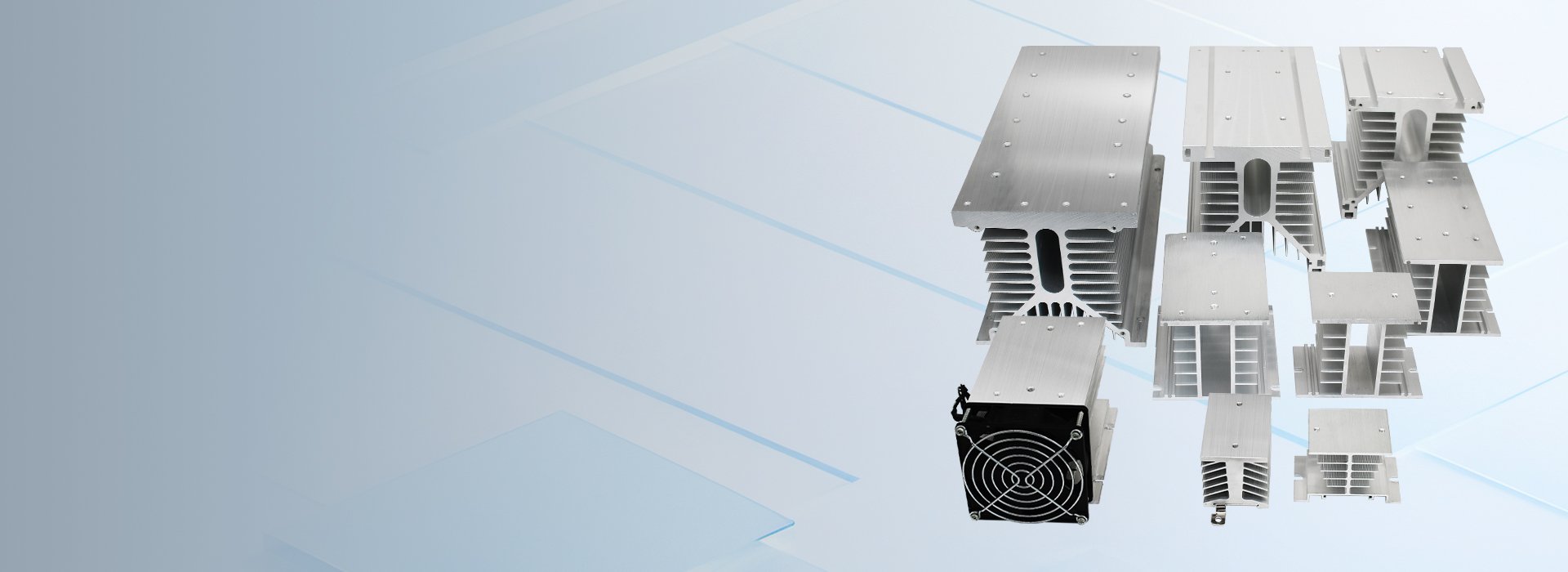
Aluminum Heat Sink Wholesaler from China
If you’re working with Industrial automation, you’ve probably need aluminum heat sink. We are a company that produces and sells electrical products in China, and we are committed to designing and producing better electrical products.
LCTC is not just a production plant. Operate A team OF professional engineers, sales, operations, logistics and post-production personnel for the production of products, to quickly respond to customer needs and provide services whenever needed.
LCTC aluminum heat sink has been certified by international professional institutions, and the product quality is guaranteed. At present, LCTC has provided services to several countries and regions, and its products have been exported Southeast Asia, Europe and the Americas. If you are looking for a reliable aluminum heat sink, welcome to contact us or request a quote.
LCTC Product
According to the installation method, aluminum heat sink can be divided into two types.
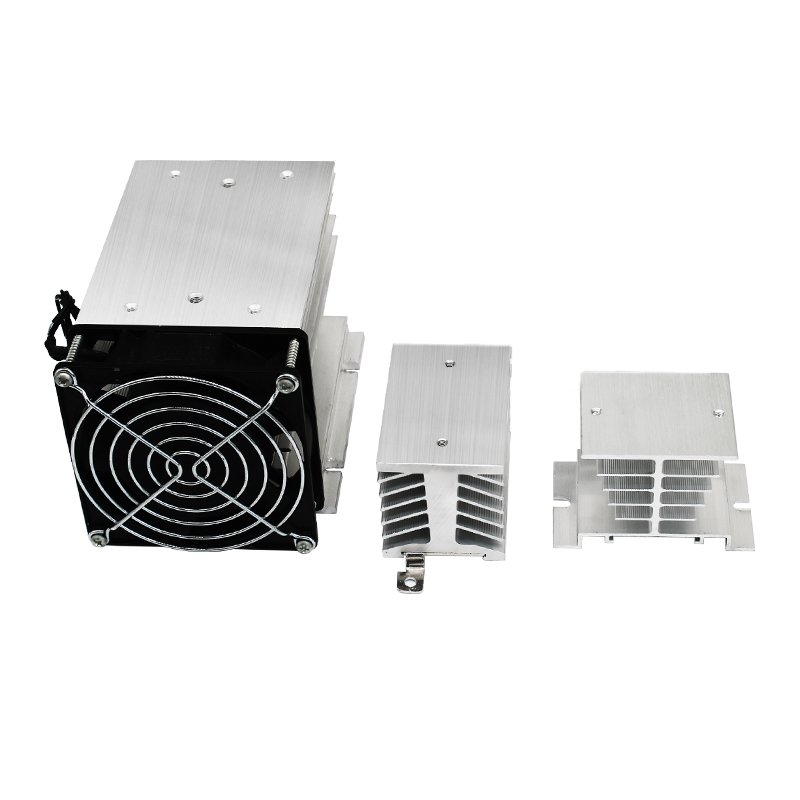
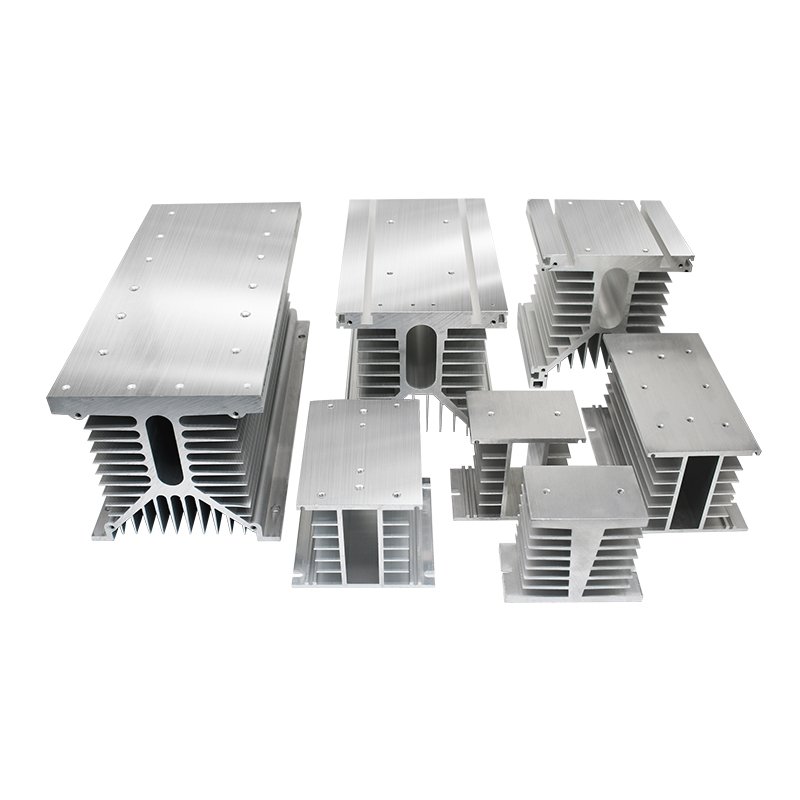
Features of Aluminum Heat Sink
Aluminum is the most commonly used material for heat shields at present, so LCTC aluminum heat shields have many advantages.

Basically, aluminum is the most commonly used material for radiators due to its good thermal conductivity and molding, low cost and high cost efficiency compared to other materials.

The density of aluminum is one-third of that of copper, which can better reduce the weight of the equipment itself and reduce the burden.

Aluminum is of low density and easy processing and molding, which makes it suitable for machining in a form with better heat release. Therefore, our products have excellent heat release performance.

The aluminum surface acts as a protective film by naturally forming an oxidizing layer, what this means is LCTC aluminum heat sink resistant to rust and can be used in wet and complex environments.
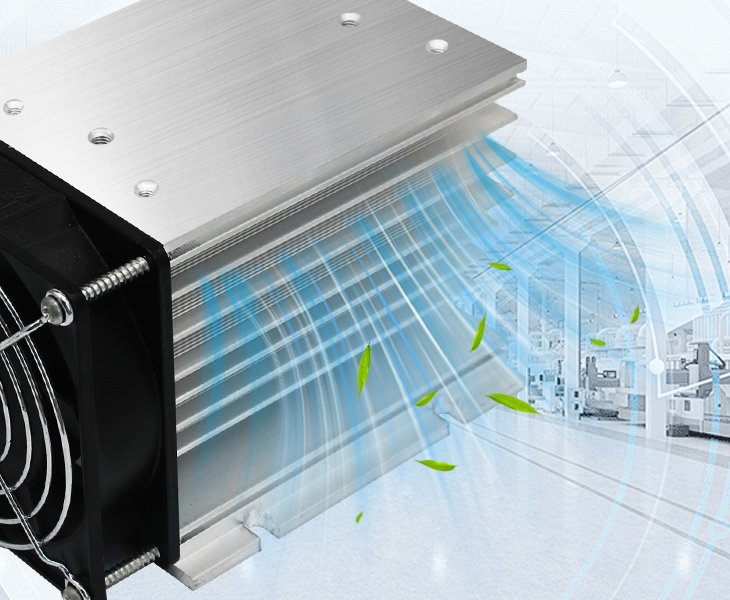
LCTC Aluminium Heat Sink Has a Remarkable Heat Dissipation Effect
Aluminum has very good thermal conductivity and low hardness. With a larger surface area, it is easier to shape.LCTC products have a larger air contact area and can be manufactured in a thinner form, which increases the air circulation rate and has a better heat release effect.
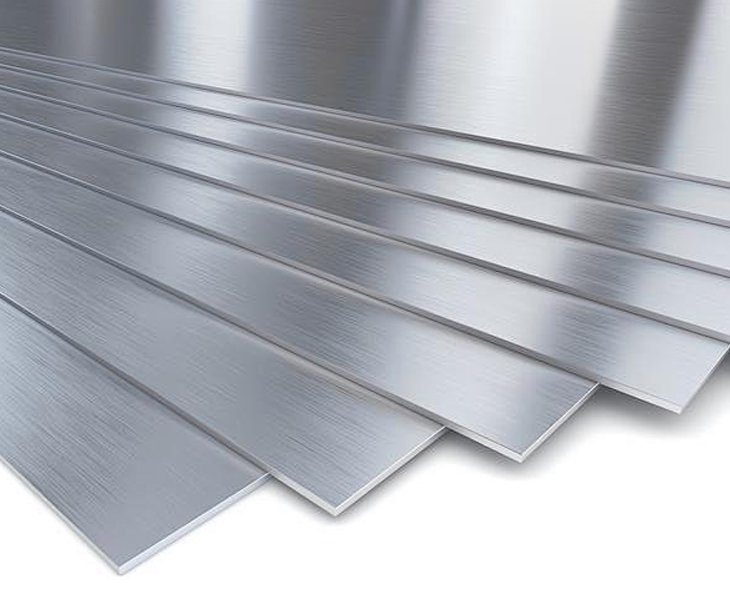
Material Characteristics of LCTC Aluminium Heat Sink
Material selection is very important when selecting heat sink. In most cases, heat shields are made of metals, and aluminum, copper, and metal composites. Each product has its own advantages. LCTC aluminium heat sink uses finned to extend the surface area of the heat shield to maximize performance.
The design of the LCTC aluminum heat sink fins design increases the surface area in contact with air and improves airflow, thereby enhancing heat dissipation efficiency. The height, spacing, thickness, and overall structure of the fins affect thermal resistance and heat dissipation performance.
Aluminum offers exceptional thermal conductivity, and its lightness reduces the radiator’s overall mass. Additionally, aluminum’s lower hardness allows for greater manufacturing flexibility, enabling the creation of complex shapes that increase the contact surface area with air. These advantages, combined with its corrosion resistance, contribute to improved thermal dissipation efficiency in the LCTC aluminum heat sink.
6063-T5 aluminium heat sinks typically have a thermal conductivity of approximately 200–210 W/m·K. This thermal conductivity ensures effective heat dissipation while offering advantages such as ease of extrusion and good corrosion resistance; in short, the 6063-T5 alloy is one of the most widely used materials for manufacturing industrial aluminium heat sinks.
Extruded aluminum heat sinks are the most common choice for industrial applications due to their excellent thermal dissipation capability, design flexibility, and favorable cost-benefit ratio.
Skived heat sinks use a cutting process to create thinner, denser fins for improved cooling in compact spaces
Cold forged heat sinks offer greater resistance and stable performance, making them suitable for compact design applications.
The specific choice of the heat sink depends on factors such as the installation environment and thermal dissipation requirements.
Anodizing protects aluminium heat sinks by forming a durable oxide layer that improves corrosion resistance, surface hardness, and long-term reliability, and also improves their appearance.
However, the overall heat dissipation performance of a heatsink still depends on factors such as material, shape, thermal resistance, and airflow conditions.
It is necessary to calculate the maximum allowable thermal resistance based on the component’s power consumption, operating temperature, and ambient temperature in order to select the appropriate heat sink dimensions; ensure that a heat sink with a thermal resistance value equal to or lower than the calculated value is chosen.
Additionally, to ensure cooling performance, factors such as airflow conditions, fin configuration of the heat sink, installation space, and continuous operating duration must be taken into account.
In terms of intrinsic thermal conductivity, copper is certainly superior to aluminum. However, aluminum remains the preferred material for heat dissipation in SSRs and other devices due to advantages such as lower hardness, which allows greater workability, high corrosion resistance, and lower cost.
Common models include 6061 and 6063, among which 6063 has better thermal conductivity and extrusion.